Loading...
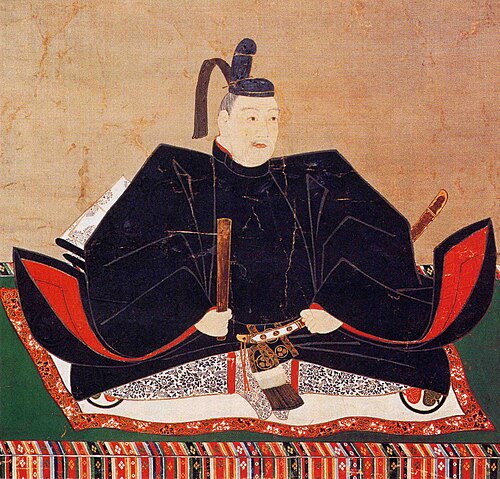
Tokugawa Hidetada
ModernGeneralJapan1579 — 1632
Second Tokugawa shogun, consolidated the bakufu system.
Compare Tokugawa Hidetada with another historical figure:
Quick Facts
Born
1579
Died
1632
Country
Japan
Era
Modern
Occupation
General
Score Overview
Military (10%)10
Political (20%)60
Influence (20%)57
Legacy (20%)58
Leadership (15%)78
Strategy (15%)43
Total Score54.7
Tokugawa Hidetada — Complete Timeline
1614 AD
Siege of Osaka (Winter Campaign)War◆ Major
Tokugawa Hidetada, as shogun, led the Tokugawa forces in the winter campaign of the Siege of Osaka against Toyotomi Hideyori. The siege ended with a negotiated peace, but Hidetada's forces filled the castle's outer moats, weakening its defenses. This was a key step in eliminating the Toyotomi threat.
SiegeOsakaToyotomi
Impact: national
1615 AD
Siege of Osaka (Summer Campaign)War
Tokugawa Hidetada commanded the Tokugawa army in the summer campaign of the Siege of Osaka. The Tokugawa forces decisively defeated the Toyotomi army, leading to the destruction of Osaka Castle and the death of Toyotomi Hideyori. This ended the last major opposition to Tokugawa rule.
SiegeOsakaTokugawa Victory
Impact: national
Promulgation of the Buke Shohatto (Laws for the Military Houses)Reform◆ Major
Tokugawa Hidetada, with the retired shogun Ieyasu, issued the Buke Shohatto, a code of conduct for daimyo. It restricted castle construction, marriage alliances, and military power, and required daimyo to reside in Edo periodically (sankin kotai). This law consolidated Tokugawa control over the feudal lords.
Legal CodeDaimyo ControlEdo Period
Impact: nationalconstructive
1616 AD
Consolidation of the Bakufu SystemPolitical Action◆ Major
After Tokugawa Ieyasu's death in 1616, Tokugawa Hidetada assumed full authority as shogun. He strengthened the bakufu's administrative structure, appointed loyal fudai daimyo to key positions, and continued policies to centralize power. His reign solidified the Tokugawa shogunate's foundation for over 250 years.
GovernanceCentralizationEdo Period
Impact: nationalconstructive
Detailed Scores
▶View all detailed scores
Military
Strategy
7
Tactics
7
Battles
7
Army Scale
7
War Impact
7
Political
Governance
7
Reform
7
Stability
7
Policy
8
Power
7
Influence
History
9
Global
9
Culture
9
Ideology
10
Legacy
9
People often compare with
See how Tokugawa Hidetada stacks up against other historical figures
Popular Comparisons
Tokugawa Hidetada vs Curtis LeMay
vs Curtis LeMay62
Tokugawa Hidetada vs Andre Massena
vs Andre Massena59
Tokugawa Hidetada vs Louis Mountbatten
vs Louis Mountbatten59
Tokugawa Hidetada vs Arthur Currie
vs Arthur Currie54
Tokugawa Hidetada vs Joe Modise
vs Joe Modise52
Tokugawa Hidetada vs Salih Hulusi Pasha
vs Salih Hulusi Pasha37