Loading...
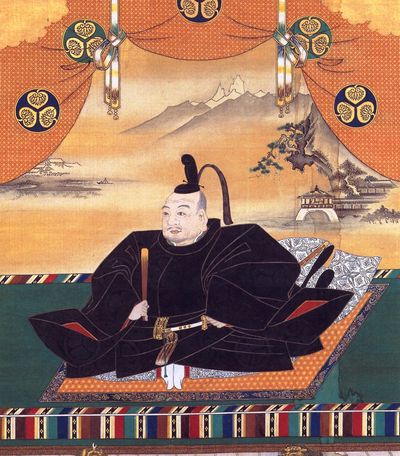
Tokugawa Ieyasu
ModernGeneralJapan1543 — 1616
日本战国时代大名,江户幕府创建者。结束战国乱世,开创260余年的和平时代。
Compare Tokugawa Ieyasu with another historical figure:
Quick Facts
Born
1543
Died
1616
Country
Japan
Era
Modern
Occupation
General
Score Overview
Military (10%)78
Political (20%)82
Influence (20%)88
Legacy (20%)75
Leadership (15%)85
Strategy (15%)82
Total Score81.8
Tokugawa Ieyasu — Complete Timeline
1600 AD
Battle of SekigaharaWar
Tokugawa Ieyasu led the Eastern Army to victory over Ishida Mitsunari's Western Army at Sekigahara. This decisive battle ended the Sengoku period and established Ieyasu as the supreme military ruler of Japan, paving the way for the Tokugawa shogunate.
Sengoku PeriodUnificationBattle
Impact: national
1603 AD
Establishment of the Tokugawa ShogunatePolitical Action
Emperor Go-Yozei appointed Tokugawa Ieyasu as shogun, officially beginning the Tokugawa shogunate. Ieyasu established his government in Edo (modern Tokyo), centralizing military and political power under his family's control.
ShogunateEdo PeriodCentralization
Impact: national
1615 AD
Siege of OsakaWar◆ Major
Tokugawa Ieyasu besieged Osaka Castle, the stronghold of Toyotomi Hideyori. The castle fell, and Hideyori committed suicide. This campaign eliminated the last major opposition to Tokugawa rule, solidifying the shogunate's control over Japan.
Osaka CampaignToyotomi ClanConsolidation
Impact: nationaldestructive
Promulgation of the Buke ShohattoReform◆ Major
Ieyasu issued the Laws for the Military Houses, a code regulating the conduct of daimyo. It restricted castle construction, required alternate attendance in Edo, and prohibited alliances without shogunal permission. This law helped control the feudal lords.
Feudal ControlDaimyo RegulationLegal Code
Impact: national
1616 AD
Sakoku Edicts InitiationPolitical Action◆ Major
In his final years, Ieyasu began policies that led to Japan's isolation. He restricted foreign trade to specific ports and expelled Christian missionaries. These measures, expanded by successors, resulted in the sakoku policy that isolated Japan for over 200 years.
IsolationismForeign PolicyChristianity
Impact: national
Detailed Scores
▶View all detailed scores
Military
Strategy
7
Tactics
7
Battles
7
Army Scale
7
War Impact
7
Political
Governance
7
Reform
7
Stability
7
Policy
8
Power
7
Influence
History
9
Global
8
Culture
9
Ideology
9
Legacy
8
People often compare with
See how Tokugawa Ieyasu stacks up against other historical figures
Popular Comparisons
Tokugawa Ieyasu vs Yamagata Aritomo
vs Yamagata Aritomo83
Tokugawa Ieyasu vs Toyotomi Hideyoshi
vs Toyotomi Hideyoshi82
Tokugawa Ieyasu vs Toussaint Louverture
vs Toussaint Louverture79
Tokugawa Ieyasu vs Dorgon
vs Dorgon78
Tokugawa Ieyasu vs Dwight D. Eisenhower
vs Dwight D. Eisenhower77
Tokugawa Ieyasu vs Vauban
vs Vauban76