Loading...
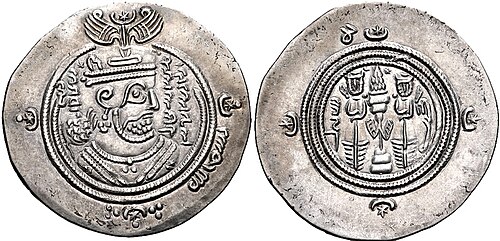
Muawiyah I
MedievalEmperorUmayyad Caliphate602 — 680
Founder of the Umayyad dynasty, moved capital to Damascus.
Compare Muawiyah I with another historical figure:
Quick Facts
Born
602
Died
680
Country
Umayyad Caliphate
Era
Medieval
Occupation
Emperor
Score Overview
Military (10%)76
Political (20%)75
Influence (20%)75
Legacy (20%)80
Leadership (15%)78
Strategy (15%)70
Total Score76.3
Muawiyah I — Complete Timeline
640 AD
Governorship of SyriaPolitical Action◆ Major
Muawiyah I was appointed governor of Syria by Caliph Umar. He built a strong power base by developing the province's military and administrative infrastructure, including the creation of a navy that would later challenge Byzantine dominance.
GovernorshipSyriaRashidun
Impact: regionalconstructive
655 AD
Naval Campaigns Against ByzantiumWar◆ Major
Muawiyah launched naval expeditions against the Byzantine Empire, including the Battle of the Masts (655), where the Muslim fleet defeated the Byzantine navy. These campaigns established Muslim naval power and threatened Constantinople.
Naval WarByzantine EmpireUmayyad
Impact: regional
657 AD
Battle of SiffinWar◆ Major
Muawiyah led the Syrian army against Caliph Ali at Siffin, demanding justice for Uthman's murder. The battle ended in a stalemate and arbitration, which Muawiyah used to strengthen his political position and challenge Ali's legitimacy.
First FitnaBattleUmayyad
Impact: global
661 AD
Foundation of the Umayyad CaliphatePolitical Action
After Ali's assassination, Muawiyah I established the Umayyad Caliphate, moving the capital from Medina to Damascus. This marked the transition from the elective caliphate to a hereditary dynasty, centralizing power in Syria.
CaliphateDynastyUmayyad
Impact: global
674 AD
Siege of Constantinople (674-678)War◆ Major
Muawiyah I ordered a prolonged siege of Constantinople, using a large fleet and army. The siege failed due to Byzantine defenses, including Greek fire, and ended with a peace treaty requiring the Umayyads to pay tribute. It was a rare setback.
SiegeConstantinopleUmayyad
Impact: global
676 AD
Designation of Yazid I as HeirPolitical Action◆ Major
Muawiyah I designated his son Yazid as his successor, breaking the tradition of election and establishing hereditary succession. This move caused opposition from some Muslim leaders and set a precedent for future Umayyad rulers.
SuccessionHereditaryUmayyad
Impact: global
Detailed Scores
▶View all detailed scores
Military
Strategy
7
Tactics
7
Battles
7
Army Scale
6
War Impact
7
Political
Governance
6
Reform
7
Stability
6
Policy
7
Power
7
Influence
History
9
Global
8
Culture
9
Ideology
10
Legacy
9
People often compare with
See how Muawiyah I stacks up against other historical figures
Popular Comparisons
Muawiyah I vs Rajendra Chola I
vs Rajendra Chola I82
Muawiyah I vs Genghis Khan
vs Genghis Khan81
Muawiyah I vs Emperor Wen of Sui
vs Emperor Wen of Sui80
Muawiyah I vs Emperor Taizong of Tang
vs Emperor Taizong of Tang79
Muawiyah I vs Suleiman I
vs Suleiman I79
Muawiyah I vs Alexios I Komnenos
vs Alexios I Komnenos78