Loading...
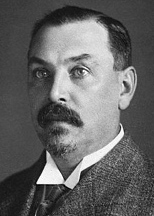
Louis Botha
ModernGeneralSouth Africa1862 — 1919
First prime minister of the Union of South Africa.
Compare Louis Botha with another historical figure:
Quick Facts
Born
1862
Died
1919
Country
South Africa
Era
Modern
Occupation
General
Score Overview
Military (10%)62
Political (20%)70
Influence (20%)57
Legacy (20%)50
Leadership (15%)80
Strategy (15%)58
Total Score61.1
Louis Botha — Complete Timeline
1899 AD
Battle of ColensoWar◆ Major
Botha commanded Boer forces at the Battle of Colenso during the Second Boer War. His troops repelled a British attack under General Buller, inflicting heavy casualties and boosting Boer morale.
Second Boer WarBattleVictory
Impact: regional
1900 AD
Boer War Guerrilla CommanderWar◆ Major
After the British captured Pretoria, Botha led Boer guerrilla forces in the Transvaal. He conducted hit-and-run attacks against British columns, prolonging the war and becoming a symbol of Afrikaner resistance.
Second Boer WarGuerrillaResistance
Impact: regional
1902 AD
Signed the Treaty of VereenigingPolitical Action
Botha, as a leading Boer general, signed the Treaty of Vereeniging which ended the Second Boer War. The treaty granted the Boer republics self-government under British sovereignty and promised eventual self-rule.
TreatyPeaceSecond Boer War
Impact: regional
1910 AD
First Prime Minister of the Union of South AfricaPolitical Action
Botha became the first Prime Minister of the newly formed Union of South Africa. He led a coalition government that sought to reconcile Afrikaners and English-speaking whites, while implementing segregationist policies.
Prime MinisterUnion of South AfricaFounding
Impact: nationalconstructive
1914 AD
Suppressed the 1914 RebellionWar◆ Major
Botha personally led government forces to suppress the Maritz Rebellion, an Afrikaner uprising against South Africa's entry into World War I. He defeated the rebels, asserting state authority and maintaining support for the British Empire.
RebellionWorld War ISuppression
Impact: national
1915 AD
Conquered German South West AfricaWar◆ Major
Botha commanded South African forces in the invasion and conquest of German South West Africa. The campaign succeeded, and the territory was later administered by South Africa under a League of Nations mandate.
World War IConquestGerman South West Africa
Impact: regional
Detailed Scores
▶View all detailed scores
Military
Strategy
7
Tactics
7
Battles
7
Army Scale
7
War Impact
7
Political
Governance
8
Reform
8
Stability
8
Policy
8
Power
9
Influence
History
9
Global
9
Culture
9
Ideology
10
Legacy
9
People often compare with
See how Louis Botha stacks up against other historical figures
Popular Comparisons
Louis Botha vs Samori Toure
vs Samori Toure71
Louis Botha vs Yitzhak Rabin
vs Yitzhak Rabin66
Louis Botha vs Tadeusz Kosciuszko
vs Tadeusz Kosciuszko64
Louis Botha vs Nicolas Soult
vs Nicolas Soult63
Louis Botha vs Andres de Santa Cruz
vs Andres de Santa Cruz61
Louis Botha vs Olusegun Obasanjo
vs Olusegun Obasanjo60