Loading...
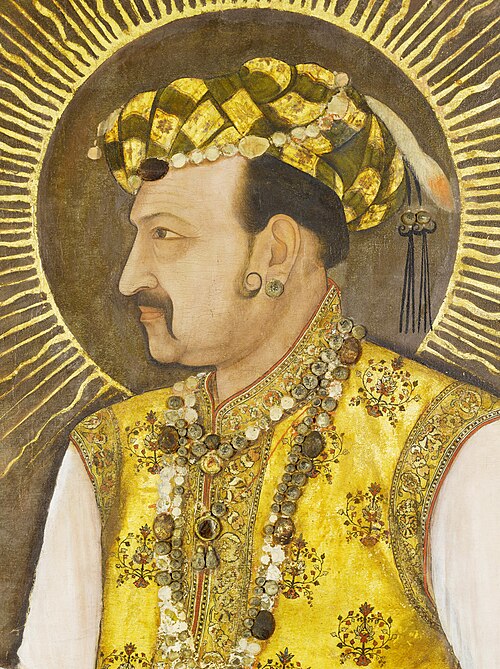
Jahangir
ModernEmperorMughal Empire1569 — 1627
Mughal emperor, son of Akbar.
Compare Jahangir with another historical figure:
Quick Facts
Born
1569
Died
1627
Country
Mughal Empire
Era
Modern
Occupation
Emperor
Score Overview
Military (10%)38
Political (20%)44
Influence (20%)59
Legacy (20%)47
Leadership (15%)74
Strategy (15%)50
Total Score52.9
Jahangir — Complete Timeline
1606 AD
Execution of Guru Arjan DevPolitical Action◆ Major
Jahangir ordered the execution of Guru Arjan Dev, the fifth Sikh guru, for supporting the rebellion of his son Khusrau. Guru Arjan Dev was tortured and died in Mughal custody. This event marked a turning point in Sikh-Mughal relations, leading to the militarization of the Sikh community.
ExecutionSikhismReligious Conflict
Impact: regionaldestructive
Rebellion of Prince KhusrauPolitical Action
Jahangir's eldest son, Prince Khusrau, rebelled against his father shortly after Jahangir's accession. Khusrau gathered an army and marched on Lahore. Jahangir's forces defeated the rebellion, and Khusrau was captured. He was later blinded and imprisoned, dying in 1622.
RebellionSuccessionKhusrau
Impact: nationaltragic
1611 AD
Marriage to Nur JahanPolitical Action◆ Major
Jahangir married Mehr-un-Nissa, who was given the title Nur Jahan. She became his most influential wife and effectively co-ruled the empire. Nur Jahan controlled court appointments, issued decrees, and managed the empire's finances. Her influence marked a period of significant female political power in the Mughal court.
MarriageNur JahanCourt Politics
Impact: national
1612 AD
Granting of Trade Rights to the English East India CompanyPolitical Action◆ Major
Jahangir granted the English East India Company permission to establish a trading post at Surat. This was the first formal English foothold in India. The company later expanded its influence, eventually becoming the dominant colonial power in the subcontinent.
TradeEast India CompanyColonialism
Impact: global
Detailed Scores
▶View all detailed scores
Military
Strategy
7
Tactics
6
Battles
6
Army Scale
6
War Impact
7
Political
Governance
7
Reform
7
Stability
7
Policy
7
Power
8
Influence
History
8
Global
8
Culture
8
Ideology
9
Legacy
8
People often compare with
See how Jahangir stacks up against other historical figures
Popular Comparisons
Jahangir vs Alexander I of Russia
vs Alexander I of Russia64
Jahangir vs Ivan IV the Terrible
vs Ivan IV the Terrible63
Jahangir vs Alfonso XIII of Spain
vs Alfonso XIII of Spain48
Jahangir vs Henry Julius of Brunswick
vs Henry Julius of Brunswick48
Jahangir vs Alhaji Umaru Sanda
vs Alhaji Umaru Sanda45
Jahangir vs Savang Vatthana
vs Savang Vatthana42