Loading...
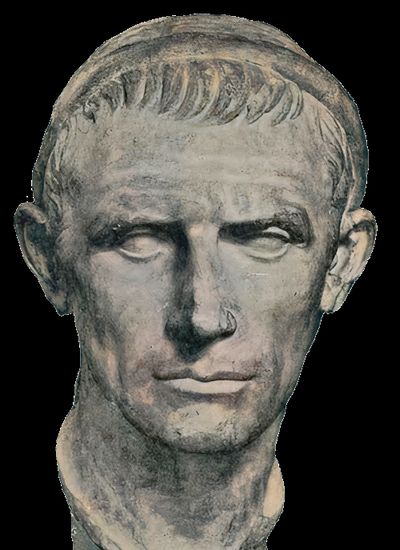
Antiochus III the Great
AncientEmperorSeleucid Empire-241 — -187
Seleucid king who restored much of the empire's former territory.
Compare Antiochus III the Great with another historical figure:
Quick Facts
Born
241 BCE
Died
187 BCE
Country
Seleucid Empire
Era
Ancient
Occupation
Emperor
Score Overview
Military (10%)79
Political (20%)45
Influence (20%)58
Legacy (20%)50
Leadership (15%)66
Strategy (15%)69
Total Score58.4
Antiochus III the Great — Complete Timeline
217 BC
Battle of Raphia (217 BC)War
Antiochus III defeated Ptolemy IV's army at Raphia in the largest battle of the Syrian Wars. He used war elephants and a phalanx of native Egyptians to secure victory, recapturing Coele-Syria and Palestine from Ptolemaic control, restoring Seleucid power in the region.
Syrian WarBattleSeleucid Victory
Impact: regional
212 BC
Anabasis (Expedition to the East, 212-205 BC)War◆ Major
Antiochus III led a major military expedition to the eastern satrapies of the Seleucid Empire, including Parthia, Bactria, and India. He reasserted Seleucid authority, received tribute from local rulers, and secured the eastern borders, earning the title 'the Great'.
Military CampaignEastern EmpireSeleucid
Impact: regional
192 BC
Roman-Seleucid War (192-188 BC)War
Antiochus III invaded Greece, leading to war with the Roman Republic. He was decisively defeated at the Battle of Thermopylae (191 BC) and the Battle of Magnesia (190 BC) by Roman forces under Scipio Asiaticus, ending Seleucid ambitions in Europe and Asia Minor.
Roman-Seleucid WarDefeatRoman Expansion
Impact: globaldestructive
188 BC
Treaty of Apamea (188 BC)Political Action
Antiochus III signed the Treaty of Apamea with Rome, ending the war. He surrendered all territory in Asia Minor west of the Taurus Mountains, paid a massive indemnity of 15,000 talents, and agreed to limit his navy and war elephants, crippling Seleucid power.
TreatyRoman HegemonySeleucid Decline
Impact: globaltragic
187 BC
Death in Elymais (187 BC)Other◆ Major
Antiochus III was killed while attempting to plunder the temple of Bel in Elymais (southwestern Iran) to raise funds for the Roman indemnity. His death marked the end of Seleucid resurgence and the beginning of the empire's decline.
DeathTemple PlunderSeleucid
Impact: regionaltragic
Detailed Scores
▶View all detailed scores
Military
Strategy
7
Tactics
7
Battles
7
Army Scale
7
War Impact
7
Political
Governance
6
Reform
7
Stability
6
Policy
7
Power
7
Influence
History
8
Global
7
Culture
8
Ideology
8
Legacy
7
People often compare with
See how Antiochus III the Great stacks up against other historical figures
Popular Comparisons
Antiochus III the Great vs Mithridates VI
vs Mithridates VI65
Antiochus III the Great vs Kanishka
vs Kanishka61
Antiochus III the Great vs Shalmaneser I
vs Shalmaneser I60
Antiochus III the Great vs Valentinian I
vs Valentinian I58
Antiochus III the Great vs Julius Caesar
vs Julius Caesar83
Antiochus III the Great vs Napoleon Bonaparte
vs Napoleon Bonaparte71