Loading...
Antiochus III the Great vs Valentinian I
Antiochus III the Great leads by 0.5 pts · 2 figures compared
…
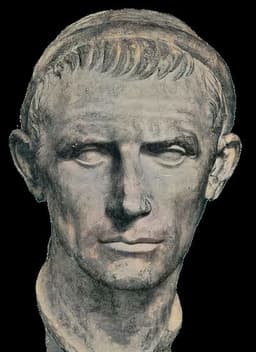
Antiochus III the Great
Emperor · Ancient
58.4Total
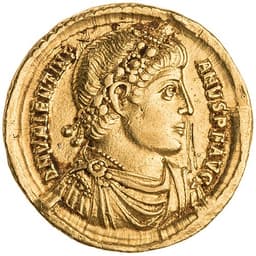
Valentinian I
Emperor · Ancient
57.9Total
Basic Information
Born
-241
321
Died
-187
375
Era
Ancient
Ancient
Nationality
Seleucid Empire
Roman Empire
Occupation
Emperor
Emperor
Civilization
Middle Eastern
Western
Score Comparison
Military (10%)
78.5
60.0
Political (20%)
45.0
68.0
Influence (20%)
58.0
53.3
Legacy (20%)
50.0
45.8
Leadership (15%)
66.0
74.0
Strategy (15%)
69.1
58.0
TOTAL
58.4
57.9
Antiochus III the Great — Complete Timeline
217 BC
Battle of Raphia (217 BC)War
Antiochus III defeated Ptolemy IV's army at Raphia in the largest battle of the Syrian Wars. He used war elephants and a phalanx of native Egyptians to secure victory, recapturing Coele-Syria and Palestine from Ptolemaic control, restoring Seleucid power in the region.
Syrian WarBattleSeleucid Victory
Impact: regional
212 BC
Anabasis (Expedition to the East, 212-205 BC)War◆ Major
Antiochus III led a major military expedition to the eastern satrapies of the Seleucid Empire, including Parthia, Bactria, and India. He reasserted Seleucid authority, received tribute from local rulers, and secured the eastern borders, earning the title 'the Great'.
Military CampaignEastern EmpireSeleucid
Impact: regional
192 BC
Roman-Seleucid War (192-188 BC)War
Antiochus III invaded Greece, leading to war with the Roman Republic. He was decisively defeated at the Battle of Thermopylae (191 BC) and the Battle of Magnesia (190 BC) by Roman forces under Scipio Asiaticus, ending Seleucid ambitions in Europe and Asia Minor.
Roman-Seleucid WarDefeatRoman Expansion
Impact: globaldestructive
188 BC
Treaty of Apamea (188 BC)Political Action
Antiochus III signed the Treaty of Apamea with Rome, ending the war. He surrendered all territory in Asia Minor west of the Taurus Mountains, paid a massive indemnity of 15,000 talents, and agreed to limit his navy and war elephants, crippling Seleucid power.
TreatyRoman HegemonySeleucid Decline
Impact: globaltragic
187 BC
Death in Elymais (187 BC)Other◆ Major
Antiochus III was killed while attempting to plunder the temple of Bel in Elymais (southwestern Iran) to raise funds for the Roman indemnity. His death marked the end of Seleucid resurgence and the beginning of the empire's decline.
DeathTemple PlunderSeleucid
Impact: regionaltragic
Valentinian I — Complete Timeline
364 AD
Election as Roman EmperorPolitical Action◆ Major
After the sudden death of Jovian, the Roman army elected Valentinian I as emperor at Nicaea. Valentinian was a capable military officer from Pannonia. He immediately appointed his brother Valens as co-emperor for the East, dividing the empire.
Imperial ElectionDivision of EmpireRoman Empire
Impact: regionalconstructive
365 AD
Campaigns against the AlamanniWar◆ Major
Valentinian I launched a series of campaigns against the Alamanni tribes who had invaded Gaul. He crossed the Rhine River and defeated them at the Battle of Solicinium (modern Rottenburg am Neckar). These campaigns secured the Rhine frontier for a decade.
Germanic WarsBattleRoman Empire
Impact: regionalconstructive
369 AD
Fortification of the Rhine and Danube frontiersReform◆ Major
Valentinian I ordered an extensive program of fortification along the Rhine and Danube borders. He built new forts, repaired existing walls, and established a system of watchtowers. This defensive strategy strengthened Roman control and deterred barbarian raids.
Military ReformFrontier DefenseRoman Empire
Impact: regionalconstructive
375 AD
Death from apoplexy during a diplomatic meetingOther◆ Major
While receiving a delegation of Quadi barbarians at Brigetio on the Danube, Valentinian I became enraged at their insolent demeanor. He suffered a stroke (apoplexy) and died shortly after. His sudden death left the Western Empire in the hands of his young sons Gratian and Valentinian II.
DeathDiplomacyRoman Empire
Impact: regionaltragic
Expert Analysis
Origins
Antiochus III was born around 241 BC into the Seleucid dynasty, the son of Seleucus II Callinicus. He ascended the throne at age 18 after his father's death, inheriting a fragmented empire weakened by civil wars and losing eastern territories. Valentinian I was born in 321 AD in Cibalae, Pannonia, to a military family. His father, Gratianus, was a senior officer in the Roman army. Valentinian rose through the ranks, serving as a tribune and later as commander in Gaul and Britain. He was elected emperor by the army after Jovian's sudden death in 364 AD.
Rise to Power
Antiochus III's early reign was marked by rebellions and attempts to restore Seleucid authority. He defeated the rebel Molon in 220 BC and secured the eastern frontier through a campaign against the Parthians and Bactrians (212-205 BC), known as the Anabasis. He then turned west, defeating Ptolemy IV at the Battle of Raphia in 217 BC, though this victory was not decisive. His greatest opportunity came when he allied with Hannibal against Rome, leading to the Roman-Seleucid War (192-188 BC). Valentinian I was elected emperor by the army in Nicaea in 364 AD after Jovian's death. He quickly appointed his brother Valens as co-emperor for the East, taking the West for himself. His rise was due to his reputation as a capable military commander, earning him the support of the troops.
Leadership & Governance
Antiochus III ruled as an absolute monarch, centralizing power and attempting to revive Seleucid glory. He implemented administrative reforms, including the appointment of satraps and the collection of tribute. His governance was focused on military expansion and consolidation, but he lacked diplomatic finesse, especially in dealing with Rome. Valentinian I was a hands-on ruler who personally led campaigns and inspected fortifications. He issued laws to protect the poor and curb corruption, but his reign was marked by religious tolerance, allowing both pagan and Christian practices. He focused on military defense, strengthening the Rhine and Danube frontiers with a massive fortification program. His leadership style was direct and often harsh, leading to conflicts with the senatorial class.
Triumph & Tragedy
Antiochus III's greatest triumph was the Anabasis, where he reasserted Seleucid control over Parthia, Bactria, and even reached India, restoring the empire's eastern borders. His military score of 78.5 reflects his success in these campaigns. However, his tragedy came in the war with Rome: the defeats at Thermopylae (191 BC) and Magnesia (190 BC) led to the Treaty of Apamea (188 BC), stripping the Seleucids of Asia Minor and imposing a heavy indemnity. He died in 187 BC while trying to plunder a temple to pay the debt, a inglorious end. Valentinian I's triumphs include his campaigns against the Alamanni, defeating them at the Battle of Solicinium in 368 AD, and his extensive fortification of the frontiers, which secured the empire for decades. His military score of 60.0 is lower, but his leadership score of 74.0 indicates effective command. His tragedy was his death from a stroke (apoplexy) in 375 AD during a heated diplomatic meeting with the Quadi, an episode that underscores his volatile temper.
Character & Destiny
Antiochus III was ambitious and energetic, often called 'the Great' for his restoration efforts. However, he was overconfident and underestimated Rome, leading to his downfall. His decision to invade Greece without securing his eastern flank was a strategic error, reflected in his strategy score of 69.1. Valentinian I was known for his harshness and quick temper, which ultimately caused his death. He was a capable administrator and military leader but lacked diplomatic tact. His political score of 68.0 shows he managed the empire effectively, but his inability to control his anger sealed his fate.
Legacy
Antiochus III's legacy is mixed: he temporarily revived the Seleucid Empire but his defeat by Rome accelerated its decline. His campaigns influenced later Hellenistic rulers, and his conflict with Rome is a classic example of the clash between Hellenistic kingdoms and the rising Republic. His total score of 58.4 reflects his moderate impact. Valentinian I's legacy is more tangible: his fortifications along the Rhine and Danube were used for centuries, and his military reforms strengthened the late Roman army. He is remembered as the last strong Western emperor before the empire's decline. His total score of 57.9 is slightly lower than Antiochus III's, but his influence on Roman defense was significant.
Conclusion
While Antiochus III scored slightly higher overall (58.4 vs 57.9), his impact was ultimately negative for his empire, as his wars with Rome hastened Seleucid decline. Valentinian I, despite his lower military score, provided stable governance and fortified the Roman frontiers, extending the empire's life. On balance, Valentinian I had a more lasting positive impact on the Roman Empire, making him the more effective ruler in terms of legacy.
Rankings
🥇
Antiochus III the GreatLeader
Mil: 78.5Pol: 45.0Inf: 58.0
58.4
🥈
Valentinian I
Mil: 60.0Pol: 68.0Inf: 53.3
57.9
+0.5 behind
How This Comparison Works
Algorithm
Each figure is scored on 6 dimensions (0—100 scale) based on structured historical data: Military (10%), Political (20%), Influence (20%), Legacy (20%), Leadership (15%), Strategy (15%). The weighted total produces the final ranking.
Data Sources
Scores are computed from structured sub-indicators in the database. Scale factors adjust for era (Ancient ×0.85, Modern ×1.0) and civilization size (Eastern ×1.05, Other ×0.80) to account for differences in population and military scale.
Maximum 3 Figures
Comparisons are limited to 2—3 figures to ensure readability and statistical meaningfulness.
Error Margins
±5 points per dimension — Sub-scores are derived from historical records with inherent uncertainty. Two figures within 5 points on a dimension should be considered roughly equivalent in that area.
Total Score Accuracy
±3 points overall — The weighted combination of 6 dimensions produces a total score with approximately ±3 points of uncertainty. Differences of less than 3 points are not statistically significant— the figures are effectively tied.
Known Limitations
- Historical records are incomplete and uneven across civilizations
- Figures from oral-tradition societies may be underrepresented
- Occupation labels can misclassify multi-role figures
- Scores measure capability and impact, not moral character
- Quantitative scoring is a comparison tool, not absolute truth
Capability Radar
Military (10%) — Battles & Warfare
Battles
85
75
Win Rate
80
70
Expansion
90
55
Political (20%) — Governance & Reform
Reform
65
65
Diplomacy
70
55
Economy
60
60
Influence (20%) — Cultural & Global Reach
Cultural
50
45
Global
60
35
Legacy (20%) — Historical Impact
Historical
65
55
Longevity
55
40
Leadership (15%) — Power & Stability
Tenure
80
60
Stability
55
50
Strategy (15%) — Tactics & Innovation
Strategy
85
70
Tactics
75
65
Reform
70
60
Similar Comparisons
Comments & Discussion
No comments yet. Be the first to share your thoughts!