Loading...
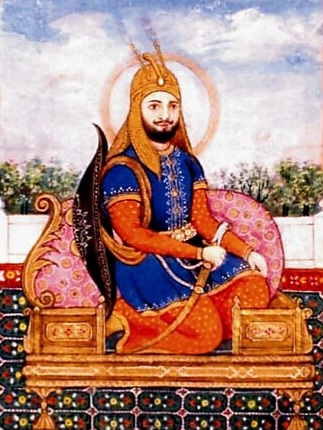
Sher Shah Suri
MedievalEmperorIndia1486 — 1545
Afghan ruler who introduced administrative reforms adopted by the Mughals.
Compare Sher Shah Suri with another historical figure:
Quick Facts
Born
1486
Died
1545
Country
India
Era
Medieval
Occupation
Emperor
Score Overview
Military (10%)80
Political (20%)82
Influence (20%)57
Legacy (20%)65
Leadership (15%)72
Strategy (15%)72
Total Score68.7
Sher Shah Suri — Complete Timeline
1539 AD
Defeat of Humayun at ChausaWar◆ Major
Sher Shah Suri defeated the Mughal emperor Humayun at the Battle of Chausa in Bihar. This victory forced Humayun to flee to Persia and allowed Sher Shah to establish the Sur Empire in northern India.
BattleMughal-Sur Conflict
Impact: regional
1540 AD
Defeat of Humayun at KannaujWar◆ Major
Sher Shah Suri decisively defeated Humayun at the Battle of Kannauj (also known as Bilgram). This victory consolidated Sher Shah's control over the Delhi Sultanate and ended Mughal rule in India for 15 years.
BattleMughal-Sur Conflict
Impact: regional
Introduction of the RupeeReform◆ Major
Sher Shah Suri introduced a standardized silver coin called the 'rupiya', which became the basis for the modern Indian rupee. This reform stabilized the economy and facilitated trade across his empire.
Currency ReformEconomic Policy
Impact: regionalconstructive
1541 AD
Land Revenue ReformsReform◆ Major
Sher Shah Suri implemented a systematic land revenue system based on measurement of land and classification of soil types. This reform increased state revenue and reduced corruption, later adopted by the Mughals under Akbar.
Administrative ReformTaxation
Impact: regionalconstructive
1542 AD
Construction of the Grand Trunk RoadOther◆ Major
Sher Shah Suri built the Grand Trunk Road from Sonargaon (Bangladesh) to Peshawar (Pakistan), improving trade and communication. The road included rest houses and wells at regular intervals, facilitating travel and commerce.
InfrastructureTrade Route
Impact: regionalconstructive
Detailed Scores
▶View all detailed scores
Military
Strategy
7
Tactics
7
Battles
7
Army Scale
6
War Impact
7
Political
Governance
7
Reform
8
Stability
7
Policy
8
Power
8
Influence
History
9
Global
8
Culture
9
Ideology
9
Legacy
8
People often compare with
See how Sher Shah Suri stacks up against other historical figures
Popular Comparisons
Sher Shah Suri vs Frederick II
vs Frederick II62
Sher Shah Suri vs Emperor Kanmu
vs Emperor Kanmu62
Sher Shah Suri vs Vasili III
vs Vasili III60
Sher Shah Suri vs Ganapati Deva of Kakatiya
vs Ganapati Deva of Kakatiya59
Sher Shah Suri vs Philip III of France
vs Philip III of France57
Sher Shah Suri vs Edgar the Peaceful
vs Edgar the Peaceful54