Loading...
Ganapati Deva of Kakatiya vs Sher Shah Suri
Sher Shah Suri leads by 9.4 pts · 2 figures compared
…

Ganapati Deva of Kakatiya
Emperor · Medieval
59.3Total
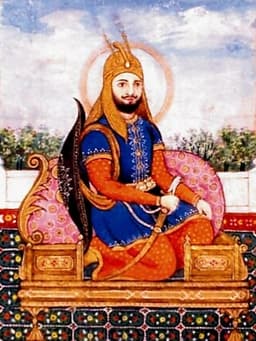
Sher Shah Suri
Emperor · Medieval
68.7Total
Basic Information
Born
1199
1486
Died
1262
1545
Era
Medieval
Medieval
Nationality
India
India
Occupation
Emperor
Emperor
Civilization
Indian
Indian
Score Comparison
Military (10%)
65.0
80.0
Political (20%)
68.0
82.0
Influence (20%)
57.2
56.7
Legacy (20%)
49.2
65.0
Leadership (15%)
66.0
72.0
Strategy (15%)
60.7
72.0
TOTAL
59.3
68.7
Ganapati Deva of Kakatiya — Complete Timeline
1210 AD
Built the Warangal FortCultural◆ Major
Ganapati Deva constructed the massive Warangal Fort, featuring a circular layout with four massive stone gateways (kirti toranas). The fort became the capital of the Kakatiya dynasty and a symbol of their power in the Deccan.
ArchitectureFortification
Impact: regionalconstructive
1213 AD
Commissioned the Ramappa TempleCultural◆ Major
Ganapati Deva ordered the construction of the Ramappa Temple (also known as Rudreshwara Temple) in Palampet. The temple is renowned for its intricate carvings and star-shaped platform, representing a peak of Kakatiya architecture.
ArchitectureHindu Temple
Impact: regionalconstructive
1220 AD
Expanded Kakatiya territory into coastal AndhraWar◆ Major
Ganapati Deva led military campaigns that brought the coastal Andhra region under Kakatiya control, including the important port of Motupalli. This expansion gave the Kakatiyas access to maritime trade routes.
Territorial ExpansionAndhra
Impact: regional
1230 AD
Defeated the Yadavas of DevagiriWar
Ganapati Deva's forces repelled an invasion by the Yadava king Simhana, securing the Kakatiya northern frontier. This victory established the Kakatiyas as the dominant power in the Telangana region.
Yadava-Kakatiya Conflict
Impact: regional
1260 AD
Appointed his daughter Rudrama Devi as co-regentPolitical Action◆ Major
Ganapati Deva designated his daughter Rudrama Devi as his successor and co-regent, a rare move for a medieval Indian ruler. She later became one of the few female monarchs in Indian history, ruling the Kakatiya kingdom after his death.
SuccessionFemale Ruler
Impact: nationalprogressive
Sher Shah Suri — Complete Timeline
1539 AD
Defeat of Humayun at ChausaWar◆ Major
Sher Shah Suri defeated the Mughal emperor Humayun at the Battle of Chausa in Bihar. This victory forced Humayun to flee to Persia and allowed Sher Shah to establish the Sur Empire in northern India.
BattleMughal-Sur Conflict
Impact: regional
1540 AD
Defeat of Humayun at KannaujWar◆ Major
Sher Shah Suri decisively defeated Humayun at the Battle of Kannauj (also known as Bilgram). This victory consolidated Sher Shah's control over the Delhi Sultanate and ended Mughal rule in India for 15 years.
BattleMughal-Sur Conflict
Impact: regional
Introduction of the RupeeReform◆ Major
Sher Shah Suri introduced a standardized silver coin called the 'rupiya', which became the basis for the modern Indian rupee. This reform stabilized the economy and facilitated trade across his empire.
Currency ReformEconomic Policy
Impact: regionalconstructive
1541 AD
Land Revenue ReformsReform◆ Major
Sher Shah Suri implemented a systematic land revenue system based on measurement of land and classification of soil types. This reform increased state revenue and reduced corruption, later adopted by the Mughals under Akbar.
Administrative ReformTaxation
Impact: regionalconstructive
1542 AD
Construction of the Grand Trunk RoadOther◆ Major
Sher Shah Suri built the Grand Trunk Road from Sonargaon (Bangladesh) to Peshawar (Pakistan), improving trade and communication. The road included rest houses and wells at regular intervals, facilitating travel and commerce.
InfrastructureTrade Route
Impact: regionalconstructive
Expert Analysis
Origins
Ganapati Deva of the Kakatiya dynasty was born around 1195 CE into a ruling family that had established its capital at Warangal in present-day Telangana. His father, Mahadeva, was a Kakatiya king who died in battle against the Yadava kingdom. Ganapati Deva inherited a kingdom facing external threats and internal instability. He received training in statecraft and military command from a young age, preparing him to restore Kakatiya fortunes.
Sher Shah Suri, originally named Farid Khan, was born in 1486 CE in Sasaram, Bihar, into an Afghan noble family serving under the Lodhi dynasty. His father, Hasan Khan, was a jagirdar. Farid's early education included Persian, Arabic, and Islamic law, but he clashed with his father over inheritance. He left home to seek his fortune, eventually joining the service of the Mughal governor of Bihar, Bahar Khan Lohani, who gave him the title 'Sher Khan' after he killed a tiger.
Rise to Power
Ganapati Deva ascended the Kakatiya throne around 1199 CE after his father's death. He first consolidated his hold on the core Telangana region, then launched campaigns to expand Kakatiya influence. His key turning point was the successful repulsion of an invasion by the Yadava king Simhana in the early 1200s, which secured his northern frontier. He then turned eastward, conquering the coastal Andhra region including the port of Motupalli by 1205 CE. This expansion brought wealth from maritime trade. By 1210 CE, Ganapati Deva had established Kakatiya hegemony over much of present-day Andhra Pradesh and Telangana.
Sher Shah Suri rose through military service and political maneuvering. After serving under Bahar Khan, he gained control of the fort of Chunar through marriage. He then entered the service of the Mughal emperor Babur but later rebelled. His first major victory came in 1539 CE at the Battle of Chausa, where he decisively defeated the Mughal emperor Humayun. The following year, at the Battle of Kannauj (1540 CE), he again defeated Humayun, forcing him into exile. Sher Shah then crowned himself emperor and established the Sur Empire, ruling from 1540 to 1545 CE.
Leadership & Governance
Ganapati Deva's leadership focused on military expansion and monumental construction. He built the massive Warangal Fort, a circular structure with four stone gateways (kirti toranas), each carved with intricate designs. The fort's design reflected his strategic priorities: defense and display of power. He also commissioned the Ramappa Temple in Palampet, a sandstone structure with a star-shaped plan, dedicated to Shiva. The temple's sculptures and architecture demonstrate the Kakatiya school of art. Ganapati Deva appointed his daughter Rudrama Devi as co-regent in 1245 CE, a rare move that allowed a woman to rule in medieval India. His governance was feudal, with local chieftains (nayakas) administering districts under his suzerainty.
Sher Shah Suri's governance was marked by systematic administrative reforms that later influenced the Mughals. He introduced a standardized silver coin, the 'rupiya', weighing 178 grains, which became the basis for the modern Indian rupee. His land revenue system measured fields and classified soil types into three categories (good, medium, bad), with the state taking one-third of the produce. This system increased revenue efficiency. He built the Grand Trunk Road from Sonargaon to Peshawar, with rest houses (sarais) every two miles, improving trade and communication. He also established a postal system and reformed the military, paying soldiers directly rather than through jagirs. Sher Shah's administration was centralized and meritocratic, with officials appointed based on ability.
Triumph & Tragedy
Ganapati Deva's greatest success was expanding Kakatiya territory to its zenith and constructing architectural marvels. The Warangal Fort and Ramappa Temple are UNESCO World Heritage Sites today, testifying to his patronage. His appointment of Rudrama Devi as successor ensured a smooth transition, and she became one of India's few ruling queens. However, his failure to create a strong centralized bureaucracy meant that after his death (around 1262 CE), the Kakatiya kingdom gradually declined, falling to the Delhi Sultanate in 1323 CE. His legacy is primarily regional and cultural, not political.
Sher Shah Suri's triumphs include defeating the Mughals and establishing a short-lived but influential empire. His administrative reforms—coinage, land revenue, roads—had a lasting impact on Indian governance. The Grand Trunk Road remains a major artery. His tragedy was his premature death in 1545 CE from a gunpowder explosion during the siege of Kalinjar fort. His empire fragmented after his death, and the Mughals under Humayun and Akbar reclaimed power. Sher Shah's reign lasted only five years, limiting the direct impact of his reforms, though many were adopted by Akbar.
Character & Destiny
Ganapati Deva was a capable military leader and builder, scoring 65.0 in military and 60.7 in strategy. He was pragmatic, as seen in his appointment of a female heir. However, his reliance on feudal structures limited his long-term impact. Historical assessments view him as a regional ruler who fostered art and architecture but failed to create institutions that outlasted his dynasty.
Sher Shah Suri scored 80.0 in military and 72.0 in strategy, reflecting his tactical brilliance. He was a visionary administrator, scoring 82.0 in political acumen. His character was ambitious and methodical, but his early death cut short his potential. Historians rank him among India's great reformers, despite his brief reign.
Legacy
Ganapati Deva's legacy is primarily architectural and cultural. The Ramappa Temple, with its intricate carvings, and the Warangal Fort's gateways are enduring symbols of Kakatiya artistry. His daughter Rudrama Devi's rule is a notable example of female sovereignty. However, his political influence faded with the dynasty's fall. His total score of 59.3 reflects a modest overall impact.
Sher Shah Suri's legacy is systemic. The rupee coinage continued under the Mughals and British, eventually becoming the modern Indian rupee. His land revenue system influenced Akbar's zabt system. The Grand Trunk Road remains a vital transport route. His administrative innovations shaped Indian governance for centuries. His total score of 68.7 underscores his greater impact.
Conclusion
Sher Shah Suri had a greater impact on Indian history than Ganapati Deva. While Ganapati Deva's contributions to art and architecture are significant, they are regional and largely symbolic. Sher Shah Suri's administrative reforms—the rupee, land revenue system, and road network—had a direct, lasting influence on the subcontinent's economy and governance. His military achievements, scoring 80.0 compared to Ganapati Deva's 65.0, and political acumen, 82.0 versus 68.0, further demonstrate his superiority. Despite his short reign, Sher Shah's innovations were adopted by the Mughals and persisted into modern times. Ganapati Deva's legacy, though culturally rich, did not reshape India's trajectory to the same degree. Therefore, Sher Shah Suri emerges as the more consequential figure.
Rankings
🥇
Sher Shah SuriLeader
Mil: 80.0Pol: 82.0Inf: 56.7
68.7
🥈
Ganapati Deva of Kakatiya
Mil: 65.0Pol: 68.0Inf: 57.2
59.3
+9.4 behind
How This Comparison Works
Algorithm
Each figure is scored on 6 dimensions (0—100 scale) based on structured historical data: Military (10%), Political (20%), Influence (20%), Legacy (20%), Leadership (15%), Strategy (15%). The weighted total produces the final ranking.
Data Sources
Scores are computed from structured sub-indicators in the database. Scale factors adjust for era (Ancient ×0.85, Modern ×1.0) and civilization size (Eastern ×1.05, Other ×0.80) to account for differences in population and military scale.
Maximum 3 Figures
Comparisons are limited to 2—3 figures to ensure readability and statistical meaningfulness.
Error Margins
±5 points per dimension — Sub-scores are derived from historical records with inherent uncertainty. Two figures within 5 points on a dimension should be considered roughly equivalent in that area.
Total Score Accuracy
±3 points overall — The weighted combination of 6 dimensions produces a total score with approximately ±3 points of uncertainty. Differences of less than 3 points are not statistically significant— the figures are effectively tied.
Known Limitations
- Historical records are incomplete and uneven across civilizations
- Figures from oral-tradition societies may be underrepresented
- Occupation labels can misclassify multi-role figures
- Scores measure capability and impact, not moral character
- Quantitative scoring is a comparison tool, not absolute truth
Capability Radar
Military (10%) — Battles & Warfare
Battles
65
75
Win Rate
70
80
Expansion
60
75
Political (20%) — Governance & Reform
Reform
60
95
Diplomacy
55
70
Economy
65
90
Influence (20%) — Cultural & Global Reach
Cultural
55
60
Global
30
55
Legacy (20%) — Historical Impact
Historical
50
85
Longevity
45
80
Leadership (15%) — Power & Stability
Tenure
75
60
Stability
60
65
Strategy (15%) — Tactics & Innovation
Strategy
65
80
Tactics
60
85
Reform
55
90
Similar Comparisons
Comments & Discussion
No comments yet. Be the first to share your thoughts!