Loading...
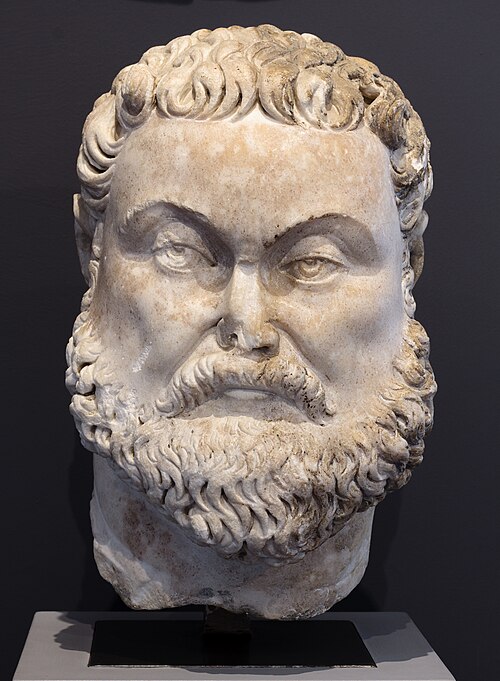
Maximian
AncientGeneralRoman Empire250 — 310
Herculius, Diocletian co-emperor, forced to suicide.
Compare Maximian with another historical figure:
Quick Facts
Born
250
Died
310
Country
Roman Empire
Era
Ancient
Occupation
General
Score Overview
Military (10%)65
Political (20%)35
Influence (20%)52
Legacy (20%)43
Leadership (15%)61
Strategy (15%)53
Total Score49.8
Maximian — Complete Timeline
285 AD
Appointment as Caesar by DiocletianPolitical Action◆ Major
Diocletian appointed Maximian as Caesar (junior emperor) to govern the Western provinces. This was part of Diocletian's reorganization of the empire, creating a dyarchy. Maximian was given the task of suppressing revolts in Gaul and defending the Rhine frontier.
TetrarchyImperial AppointmentDyarchy
Impact: regional
286 AD
Campaigns in Gaul and BritainWar◆ Major
Maximian campaigned against the Bagaudae rebels in Gaul and later against the usurper Carausius in Britain. He failed to defeat Carausius, who established a breakaway empire in Britain and northern Gaul. The campaign demonstrated the limits of Maximian's military success.
RebellionUsurpationTetrarchy
Impact: regional
Elevation to AugustusPolitical Action◆ Major
Diocletian elevated Maximian to the rank of Augustus, making him co-emperor of the West. Maximian adopted the title Herculius, symbolizing his role as the active, laboring partner to Diocletian's Jovian. This formalized the division of the empire into two halves.
TetrarchyCo-EmperorImperial Division
Impact: regional
305 AD
Forced Abdication and RetirementPolitical Action◆ Major
Maximian abdicated as Augustus alongside Diocletian in a coordinated ceremony at Milan. He retired to a villa in Lucania, but his retirement was forced by Diocletian's plan for an orderly succession. Maximian resented his loss of power and later attempted to reclaim the throne.
AbdicationTetrarchyRetirement
Impact: regional
310 AD
Suicide by HangingOther◆ Major
After multiple failed attempts to regain power, including a rebellion against Constantine, Maximian was captured at Massilia. Constantine spared his life but forced him to commit suicide. Maximian hanged himself, ending the life of the former co-emperor of the Tetrarchy.
SuicideRebellionTetrarchy
Impact: regionaltragic
Detailed Scores
▶View all detailed scores
Military
Strategy
8
Tactics
8
Battles
8
Army Scale
8
War Impact
9
Political
Governance
5
Reform
5
Stability
5
Policy
5
Power
5
Influence
History
8
Global
8
Culture
8
Ideology
8
Legacy
8
People often compare with
See how Maximian stacks up against other historical figures