Loading...
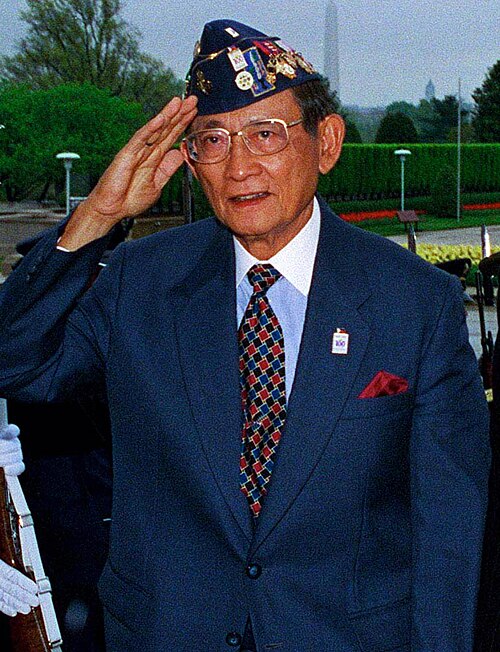
Fidel V. Ramos
ModernGeneralPhilippines1928 — ?
Philippine president who reformed the economy.
Compare Fidel V. Ramos with another historical figure:
Quick Facts
Born
1928
Country
Philippines
Era
Modern
Occupation
General
Score Overview
Military (10%)45
Political (20%)70
Influence (20%)57
Legacy (20%)48
Leadership (15%)72
Strategy (15%)60
Total Score58.0
Fidel V. Ramos — Complete Timeline
1992 AD
Elected President of the PhilippinesPolitical Action◆ Major
Fidel V. Ramos won the Philippine presidential election, succeeding Corazon Aquino. His victory marked the first peaceful transfer of power after the EDSA Revolution, and he focused on economic reforms and national reconciliation.
PresidencyPeaceful TransitionEconomic Reform
Impact: nationalconstructive
1993 AD
Implemented the Philippines 2000 economic programReform◆ Major
Ramos launched the Philippines 2000 program, a comprehensive economic liberalization plan that included deregulation, privatization, and trade liberalization. The program led to sustained GDP growth of over 5% annually.
Economic ReformLiberalizationGrowth
Impact: nationalconstructive
1996 AD
Signed the Final Peace Agreement with the Moro National Liberation FrontPolitical Action◆ Major
Ramos signed a peace agreement with the Moro National Liberation Front, ending decades of armed conflict in Mindanao. The agreement established the Autonomous Region in Muslim Mindanao and granted amnesty to MNLF fighters.
Peace AgreementMindanaoMNLF
Impact: regionalconstructive
Hosted the Asia-Pacific Economic Cooperation summitPolitical Action◆ Major
Ramos hosted the APEC summit in Subic Bay, Philippines, showcasing the country's economic recovery. The summit focused on trade liberalization and economic cooperation among Pacific Rim economies.
APECTradeEconomic Diplomacy
Impact: regionalconstructive
1998 AD
Established the National Anti-Poverty CommissionReform
Ramos created the National Anti-Poverty Commission to coordinate poverty reduction programs across government agencies. The commission aimed to improve social services and livelihood opportunities for the poor.
Poverty ReductionSocial PolicyGovernment Reform
Impact: nationalconstructive
Detailed Scores
▶View all detailed scores
Military
Strategy
7
Tactics
7
Battles
7
Army Scale
7
War Impact
7
Political
Governance
7
Reform
7
Stability
7
Policy
8
Power
8
Influence
History
9
Global
8
Culture
9
Ideology
9
Legacy
9
People often compare with
See how Fidel V. Ramos stacks up against other historical figures
Popular Comparisons
Fidel V. Ramos vs Napoleon Bonaparte
vs Napoleon Bonaparte71
Fidel V. Ramos vs William Slim
vs William Slim67
Fidel V. Ramos vs Alan Brooke
vs Alan Brooke65
Fidel V. Ramos vs Ahmed Shah Massoud
vs Ahmed Shah Massoud61
Fidel V. Ramos vs Ian Khama
vs Ian Khama60
Fidel V. Ramos vs Gerd von Rundstedt
vs Gerd von Rundstedt54