Loading...
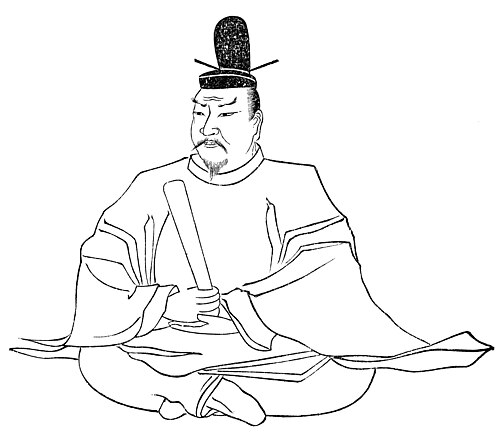
Emperor Tenmu
MedievalEmperorJapan631 — 686
Consolidated the imperial system and ritsuryo codes.
Compare Emperor Tenmu with another historical figure:
Quick Facts
Born
631
Died
686
Country
Japan
Era
Medieval
Occupation
Emperor
Score Overview
Military (10%)55
Political (20%)60
Influence (20%)58
Legacy (20%)55
Leadership (15%)72
Strategy (15%)55
Total Score59.1
Emperor Tenmu — Complete Timeline
672 AD
Jinshin WarWar
Prince Ōama, later Emperor Tenmu, led a rebellion against his nephew Emperor Kōbun after a succession dispute. The Jinshin War lasted a year and ended with Ōama's victory at the Battle of Sekigahara (not the later one). Tenmu then ascended the throne, consolidating imperial power.
Civil WarSuccessionImperial Power
Impact: national
680 AD
Promotion of Buddhism as State ReligionCultural◆ Major
Emperor Tenmu actively promoted Buddhism, ordering the construction of temples and the copying of sutras. He established the position of s
BuddhismState ReligionImperial Legitimacy
Impact: nationalconstructive
681 AD
Establishment of the Ritsuryō SystemReform
Emperor Tenmu initiated the codification of the ritsury
Legal CodeCentralizationTang Model
Impact: nationalconstructive
Compilation of the Kojiki and Nihon ShokiCultural◆ Major
Emperor Tenmu ordered the compilation of the Kojiki (Records of Ancient Matters) and the Nihon Shoki (Chronicles of Japan), though the Kojiki was completed after his death. These texts recorded Japanese mythology, history, and the imperial lineage, establishing a national narrative.
HistoriographyMythologyImperial Lineage
Impact: nationalconstructive
684 AD
Reform of the Imperial Court HierarchyReform
Emperor Tenmu reorganized the imperial court hierarchy, creating new ranks and titles to strengthen his control over the nobility. He reduced the power of powerful clans and promoted officials based on merit, further centralizing authority under the emperor.
Court ReformMeritocracyNobility
Impact: nationalconstructive
Detailed Scores
▶View all detailed scores
Military
Strategy
7
Tactics
7
Battles
7
Army Scale
6
War Impact
7
Political
Governance
6
Reform
7
Stability
6
Policy
7
Power
7
Influence
History
9
Global
8
Culture
9
Ideology
9
Legacy
8
People often compare with
See how Emperor Tenmu stacks up against other historical figures
Popular Comparisons
Emperor Tenmu vs Vasili III
vs Vasili III60
Emperor Tenmu vs Peter III of Aragon
vs Peter III of Aragon59
Emperor Tenmu vs Frederick II of Hohenstaufen
vs Frederick II of Hohenstaufen59
Emperor Tenmu vs Ashot I of Armenia
vs Ashot I of Armenia58
Emperor Tenmu vs Nezahualcoyotl
vs Nezahualcoyotl58
Emperor Tenmu vs King Danjong of Joseon
vs King Danjong of Joseon49