Loading...
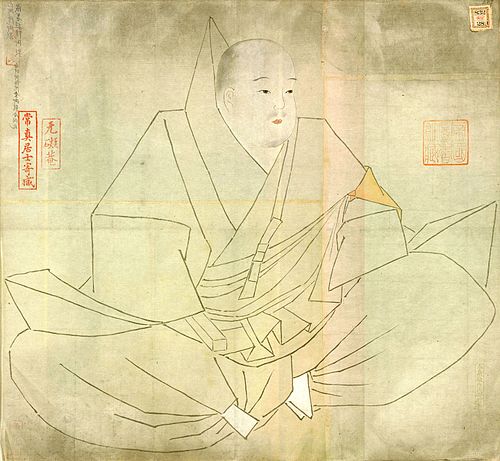
Emperor Shirakawa
MedievalEmperorJapan1053 — 1129
Founded the cloistered government system.
Compare Emperor Shirakawa with another historical figure:
Quick Facts
Born
1053
Died
1129
Country
Japan
Era
Medieval
Occupation
Emperor
Score Overview
Military (10%)51
Political (20%)65
Influence (20%)61
Legacy (20%)52
Leadership (15%)62
Strategy (15%)70
Total Score59.4
Emperor Shirakawa — Complete Timeline
1086 AD
Establishment of the cloistered government (Insei) systemPolitical Action
Shirakawa abdicated the throne but continued to rule from a monastery as a cloistered emperor, creating the Insei system. This allowed retired emperors to wield real political power, bypassing the Fujiwara regents and dominating court politics for decades.
Insei SystemImperial PoliticsHeian Period
Impact: nationalconstructive
Conflict with the Fujiwara over successionPolitical Action◆ Major
Shirakawa forced his son Horikawa to succeed him, overriding Fujiwara preferences. This conflict solidified the cloistered emperor's control over succession and reduced Fujiwara influence, leading to decades of political tension.
Fujiwara RegencySuccessionImperial Politics
Impact: national
1091 AD
Appointment of Taira no Masamori as military governorPolitical Action◆ Major
Shirakawa appointed Taira no Masamori as military governor of Ise Province, elevating the Taira clan's status. This move strengthened the imperial court's military capacity and laid the foundation for the Taira's later rise to power.
Taira ClanMilitary PoliticsHeian Period
Impact: national
1100 AD
Patronage of Buddhist templesCultural
Shirakawa sponsored the construction and renovation of numerous Buddhist temples, including the Hossho-ji and Ensho-ji. This patronage strengthened the imperial family's religious authority and influenced Heian-period Buddhist art and architecture.
BuddhismTemple ConstructionHeian Period
Impact: nationalconstructive
Detailed Scores
▶View all detailed scores
Military
Strategy
7
Tactics
7
Battles
7
Army Scale
6
War Impact
7
Political
Governance
7
Reform
7
Stability
7
Policy
7
Power
7
Influence
History
9
Global
8
Culture
9
Ideology
9
Legacy
8
People often compare with
See how Emperor Shirakawa stacks up against other historical figures
Popular Comparisons
Emperor Shirakawa vs Genghis Khan
vs Genghis Khan81
Emperor Shirakawa vs Kublai Khan
vs Kublai Khan74
Emperor Shirakawa vs Zhao Kuangyin
vs Zhao Kuangyin72
Emperor Shirakawa vs Wu Zetian
vs Wu Zetian70
Emperor Shirakawa vs Pachacuti
vs Pachacuti69
Emperor Shirakawa vs Wanyan Aguda
vs Wanyan Aguda63