Loading...
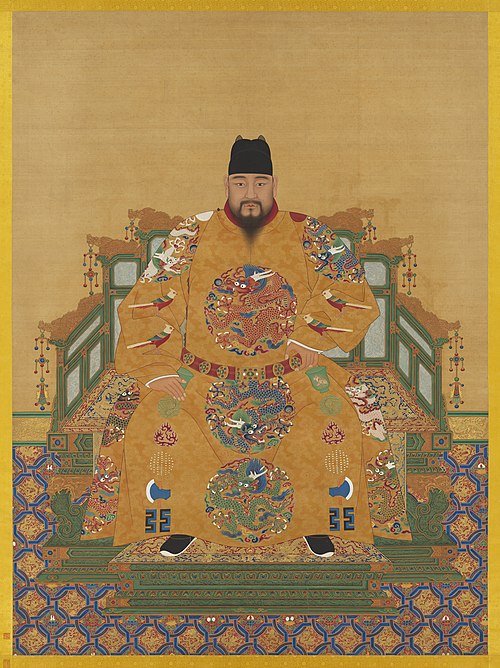
Zhu Qizhen
MedievalEmperorChina1427 — 1464
Zhengtong Emperor infamously captured by the Oirats at Tumu.
Compare Zhu Qizhen with another historical figure:
Quick Facts
Born
1427
Died
1464
Country
China
Era
Medieval
Occupation
Emperor
Score Overview
Military (10%)15
Political (20%)32
Influence (20%)52
Legacy (20%)45
Leadership (15%)48
Strategy (15%)45
Total Score42.3
Zhu Qizhen — Complete Timeline
1435 AD
Accession as Zhengtong EmperorPolitical Action◆ Major
Zhu Qizhen ascended the Ming throne as the Zhengtong Emperor at age eight, following the death of his father, the Xuande Emperor. A regency council led by the Grand Empress Dowager and senior officials governed until he came of age.
Ming DynastySuccessionRegency
Impact: national
1449 AD
Tumu Crisis: Capture by OiratsWar
The Zhengtong Emperor personally led a poorly planned campaign against the Oirat Mongols under Esen Taishi. At the Battle of Tumu Fortress, the Ming army was annihilated, and the emperor was captured, becoming a prisoner of the Oirats for nearly a year.
Tumu CrisisMing DynastyMilitary Disaster
Impact: nationaltragic
1457 AD
Abolition of the Eunuch DirectorateReform
The Tianshun Emperor abolished the Directorate of Ceremonial, the powerful eunuch agency that had dominated court politics under his earlier reign. This move aimed to reduce eunuch influence, though it was partially reversed later.
Eunuch ReformGovernmentMing Dynasty
Impact: nationalconstructive
Restoration as Tianshun EmperorPolitical Action◆ Major
After being released in 1450 and placed under house arrest by his brother, the Jingtai Emperor, Zhu Qizhen staged a coup in 1457 with the help of loyalist officials. He reclaimed the throne as the Tianshun Emperor, executing his brother's supporters.
CoupRestorationMing Dynasty
Impact: nationaldestructive
Execution of Yu QianPolitical Action◆ Major
After his restoration, the Tianshun Emperor ordered the execution of Yu Qian, the minister who had defended Beijing during the Tumu Crisis and supported the Jingtai Emperor. This act removed a key statesman and deepened political divisions.
ExecutionPolitical PurgeMing Court
Impact: nationaldestructive
1464 AD
Death and Legacy of InstabilityOther◆ Major
The Tianshun Emperor died after a second reign of seven years. His capture and restoration had weakened the Ming monarchy, leading to increased factionalism and setting a precedent for eunuch influence that plagued later reigns.
DeathLegacyMing Decline
Impact: national
Detailed Scores
▶View all detailed scores
Military
Strategy
7
Tactics
7
Battles
7
Army Scale
6
War Impact
7
Political
Governance
6
Reform
7
Stability
6
Policy
7
Power
7
Influence
History
9
Global
8
Culture
8
Ideology
9
Legacy
8
People often compare with
See how Zhu Qizhen stacks up against other historical figures
Popular Comparisons
Zhu Qizhen vs Ulugh Beg
vs Ulugh Beg51
Zhu Qizhen vs John of Brienne
vs John of Brienne50
Zhu Qizhen vs Hugh of Italy
vs Hugh of Italy44
Zhu Qizhen vs Otto III
vs Otto III43
Zhu Qizhen vs Guy of Lusignan
vs Guy of Lusignan39
Zhu Qizhen vs Roderic
vs Roderic38