Loading...
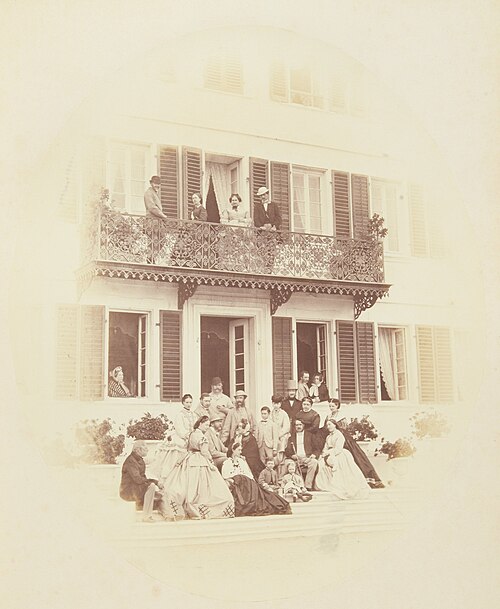
William IX of Hesse-Kassel
ModernEmperorHesse-Kassel1743 — 1821
Elector William I, mercenary trader.
Compare William IX of Hesse-Kassel with another historical figure:
Quick Facts
Born
1743
Died
1821
Country
Hesse-Kassel
Era
Modern
Occupation
Emperor
Score Overview
Military (10%)43
Political (20%)61
Influence (20%)50
Legacy (20%)38
Leadership (15%)67
Strategy (15%)54
Total Score51.1
William IX of Hesse-Kassel — Complete Timeline
1785 AD
Inherited Hesse-KasselPolitical Action◆ Major
William IX became Landgrave of Hesse-Kassel upon the death of his father Frederick II. He inherited a wealthy state due to the lucrative practice of hiring Hessian soldiers to foreign powers, particularly Britain during the American Revolution.
SuccessionMercenary Trade
Impact: regional
1803 AD
Elevated to ElectorPolitical Action◆ Major
As part of the Reichsdeputationshauptschluss, William IX was elevated to the title of Elector of Hesse-Kassel, becoming Elector William I. This increased his status within the Holy Roman Empire, though the title was largely symbolic.
Holy Roman EmpireTitle Elevation
Impact: regionalconstructive
1806 AD
Fled to DenmarkPolitical Action◆ Major
After the Battle of Jena-Auerstedt, Napoleon's forces occupied Hesse-Kassel. William I fled to Denmark, leaving his territories under French control. He remained in exile until after Napoleon's defeat.
Napoleonic WarsExile
Impact: regionaltragic
1813 AD
Returned as ElectorPolitical Action◆ Major
Following Napoleon's defeat at the Battle of Leipzig, William I returned to Hesse-Kassel and resumed his rule. He restored the old order, reversing many reforms introduced during the French occupation.
RestorationNapoleonic Wars
Impact: regional
Detailed Scores
▶View all detailed scores
Military
Strategy
7
Tactics
6
Battles
6
Army Scale
6
War Impact
7
Political
Governance
7
Reform
7
Stability
7
Policy
7
Power
8
Influence
History
8
Global
8
Culture
8
Ideology
9
Legacy
8
People often compare with
See how William IX of Hesse-Kassel stacks up against other historical figures
Popular Comparisons
William IX of Hesse-Kassel vs Nicholas I of Russia
vs Nicholas I of Russia58
William IX of Hesse-Kassel vs Salote Tupou III
vs Salote Tupou III54
William IX of Hesse-Kassel vs Abdallahi ibn Muhammad
vs Abdallahi ibn Muhammad51
William IX of Hesse-Kassel vs Ram Singh II of Jaipur
vs Ram Singh II of Jaipur50
William IX of Hesse-Kassel vs Lat Dior Diop
vs Lat Dior Diop48
William IX of Hesse-Kassel vs Mutaga Mbikije
vs Mutaga Mbikije45