Loading...
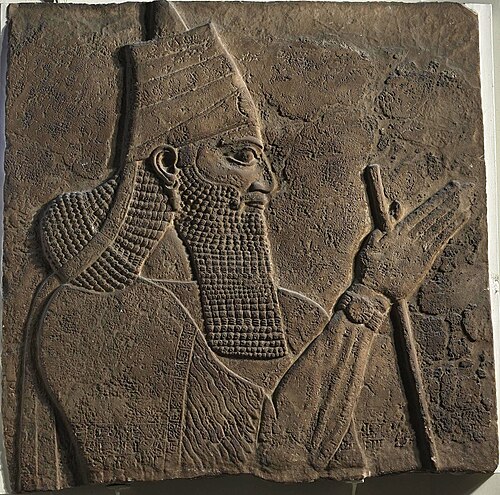
Tiglath-Pileser III
AncientEmperorAssyria-745 — -727
Reformed Assyrian empire, deported populations.
Compare Tiglath-Pileser III with another historical figure:
Quick Facts
Born
745 BCE
Died
727 BCE
Country
Assyria
Era
Ancient
Occupation
Emperor
Score Overview
Military (10%)75
Political (20%)78
Influence (20%)65
Legacy (20%)55
Leadership (15%)78
Strategy (15%)80
Total Score69.0
Tiglath-Pileser III — Complete Timeline
740 BC
Reform of the Assyrian ArmyReform
Tiglath-Pileser III reorganized the Assyrian army into a standing professional force with specialized units, including cavalry, chariotry, and siege engineers. This reform made the army more efficient and enabled rapid conquests.
Military ReformStanding ArmyAssyrian Empire
Impact: regionalconstructive
Deportation of PopulationsPolitical Action◆ Major
Tiglath-Pileser III implemented a policy of mass deportation, moving conquered peoples to different parts of the empire. This broke up resistance and integrated diverse groups into the Assyrian economy and administration.
DeportationPopulation TransferImperial Policy
Impact: regionaldestructive
734 BC
Conquest of Syria and PalestineWar◆ Major
Tiglath-Pileser III launched a campaign into Syria and Palestine, defeating the kingdoms of Damascus, Israel, and Philistia. He annexed their territories and imposed tribute, extending Assyrian control to the borders of Egypt.
Military CampaignSyriaPalestine
Impact: regional
729 BC
Coronation as King of BabylonPolitical Action◆ Major
Tiglath-Pileser III conquered Babylon and had himself crowned as King of Babylon under the name Pulu. This personal union of the Assyrian and Babylonian thrones marked a new phase in the relationship between the two regions.
CoronationBabylonPersonal Union
Impact: regional
Detailed Scores
▶View all detailed scores
Military
Strategy
7
Tactics
7
Battles
7
Army Scale
7
War Impact
7
Political
Governance
6
Reform
7
Stability
6
Policy
7
Power
7
Influence
History
8
Global
7
Culture
8
Ideology
8
Legacy
7
People often compare with
See how Tiglath-Pileser III stacks up against other historical figures
Popular Comparisons
Tiglath-Pileser III vs Septimius Severus
vs Septimius Severus68
Tiglath-Pileser III vs Thutmose III
vs Thutmose III65
Tiglath-Pileser III vs Khosrow II
vs Khosrow II64
Tiglath-Pileser III vs Theodoric the Great
vs Theodoric the Great62
Tiglath-Pileser III vs Pan Geng of Shang
vs Pan Geng of Shang55
Tiglath-Pileser III vs Umar ibn Abd al-Aziz
vs Umar ibn Abd al-Aziz55