Loading...
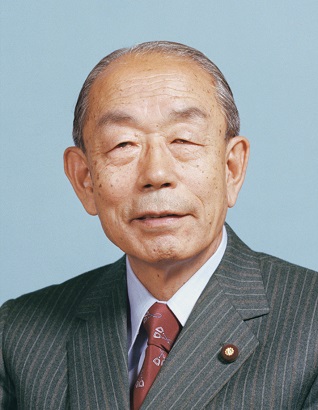
Takeo Fukuda
ModernPoliticianJapan1905 — 1995
Japanese prime minister of the Fukuda Doctrine.
Compare Takeo Fukuda with another historical figure:
Quick Facts
Born
1905
Died
1995
Country
Japan
Era
Modern
Occupation
Politician
Score Overview
Military (10%)15
Political (20%)55
Influence (20%)62
Legacy (20%)50
Leadership (15%)66
Strategy (15%)36
Total Score51.3
Takeo Fukuda — Complete Timeline
1976 AD
Appointed Prime Minister of JapanPolitical Action◆ Major
Takeo Fukuda became Prime Minister of Japan on December 24, 1976, succeeding Takeo Miki. His appointment followed the LDP's narrow victory in the 1976 general election. Fukuda's government prioritized economic recovery and foreign policy, particularly in Southeast Asia.
Prime MinisterLDPJapan
Impact: national
1977 AD
Announced the Fukuda DoctrinePolitical Action
Fukuda articulated the Fukuda Doctrine during a speech in Manila on August 18, 1977. The doctrine committed Japan to a peaceful role in Southeast Asia, renouncing military power and emphasizing economic cooperation and cultural exchange. It shaped Japan's post-war foreign policy in the region.
Foreign PolicySoutheast AsiaFukuda Doctrine
Impact: regionalconstructive
1978 AD
Signed the Japan-China Peace and Friendship TreatyPolitical Action◆ Major
Fukuda oversaw the signing of the Treaty of Peace and Friendship between Japan and the People's Republic of China on August 12, 1978. The treaty normalized bilateral relations and included an anti-hegemony clause directed at the Soviet Union. It strengthened economic and diplomatic ties.
TreatyChinaDiplomacy
Impact: regionalconstructive
Detailed Scores
▶View all detailed scores
Military
Strategy
6
Tactics
5
Battles
6
Army Scale
5
War Impact
6
Political
Governance
7
Reform
7
Stability
7
Policy
7
Power
8
Influence
History
9
Global
9
Culture
9
Ideology
10
Legacy
9
People often compare with
See how Takeo Fukuda stacks up against other historical figures
Popular Comparisons
Takeo Fukuda vs Lord Willingdon
vs Lord Willingdon55
Takeo Fukuda vs R. Venkataraman
vs R. Venkataraman55
Takeo Fukuda vs Nicolas Fouquet
vs Nicolas Fouquet51
Takeo Fukuda vs Carlos P. Romulo
vs Carlos P. Romulo50
Takeo Fukuda vs Joko Widodo
vs Joko Widodo50
Takeo Fukuda vs Hector Jose Campora
vs Hector Jose Campora39