Loading...
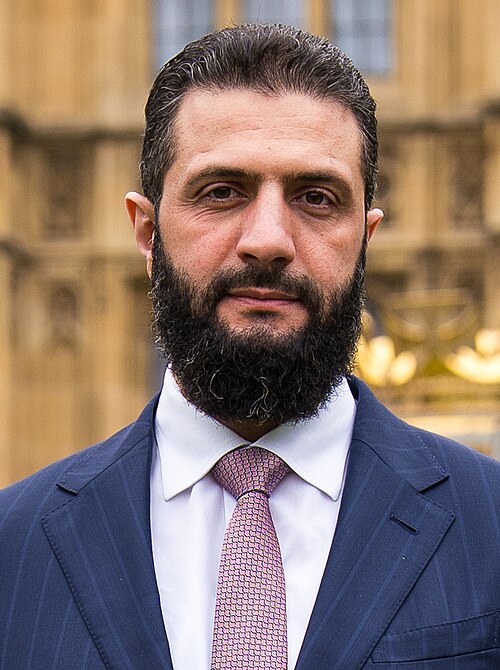
Omar al-Bashir
ModernGeneralSudan1944 — ?
Sudanese president indicted by the ICC.
Compare Omar al-Bashir with another historical figure:
Quick Facts
Born
1944
Country
Sudan
Era
Modern
Occupation
General
Score Overview
Military (10%)48
Political (20%)28
Influence (20%)52
Legacy (20%)38
Leadership (15%)64
Strategy (15%)36
Total Score44.6
Omar al-Bashir — Complete Timeline
1989 AD
Second Sudanese Civil War escalationWar◆ Major
Al-Bashir intensified the war against the Sudan People's Liberation Army (SPLA) in southern Sudan. His government pursued a policy of Islamization and Arabization, leading to widespread human rights abuses, including mass displacement, famine, and the targeting of civilians.
Civil WarIslamizationHuman Rights
Impact: nationaldestructive
1989 Sudanese coup d'étatPolitical Action◆ Major
Omar al-Bashir, then a colonel, led a military coup that overthrew the democratically elected government of Prime Minister Sadiq al-Mahdi. Bashir established the Revolutionary Command Council for National Salvation (RCC) and suspended the constitution, beginning 30 years of authoritarian rule.
CoupMilitary RuleAuthoritarianism
Impact: nationaldestructive
2003 AD
Darfur genocideWar◆ Major
Al-Bashir's government responded to a rebellion in Darfur by arming Arab militias (Janjaweed) who committed mass killings, rape, and destruction of villages against non-Arab ethnic groups. The International Criminal Court (ICC) later charged Bashir with genocide, war crimes, and crimes against humanity.
GenocideWar CrimesICC
Impact: regionaldestructive
2005 AD
Comprehensive Peace AgreementPolitical Action◆ Major
Al-Bashir signed the Comprehensive Peace Agreement (CPA) with the SPLA, ending the Second Sudanese Civil War. The agreement granted southern Sudan autonomy for six years, followed by a referendum on independence, which ultimately led to South Sudan's secession in 2011.
Peace AgreementCivil War EndSouth Sudan
Impact: regionalconstructive
2009 AD
ICC arrest warrantPolitical Action◆ Major
The International Criminal Court issued an arrest warrant for al-Bashir on charges of war crimes and crimes against humanity in Darfur. He became the first sitting head of state to be indicted by the ICC. Sudan refused to cooperate, and Bashir remained in power until 2019.
ICCInternational JusticeDarfur
Impact: global
2019 AD
2019 Sudanese coup d'étatPolitical Action◆ Major
After months of mass protests against his rule, al-Bashir was overthrown by the Sudanese military on April 11, 2019. He was arrested and later convicted on corruption charges. His removal ended 30 years of authoritarian rule and led to a transitional government.
CoupRegime ChangeProtests
Impact: national
Detailed Scores
▶View all detailed scores
Military
Strategy
7
Tactics
7
Battles
7
Army Scale
7
War Impact
7
Political
Governance
7
Reform
7
Stability
7
Policy
8
Power
8
Influence
History
9
Global
8
Culture
9
Ideology
9
Legacy
8
People often compare with
See how Omar al-Bashir stacks up against other historical figures
Popular Comparisons
Omar al-Bashir vs Man Singh of Amber
vs Man Singh of Amber58
Omar al-Bashir vs Antonio Guzman Blanco
vs Antonio Guzman Blanco56
Omar al-Bashir vs Gustavo Rojas Pinilla
vs Gustavo Rojas Pinilla46
Omar al-Bashir vs Deo Van Long
vs Deo Van Long42
Omar al-Bashir vs Manuel Noriega
vs Manuel Noriega41
Omar al-Bashir vs Robert Guei
vs Robert Guei38