Loading...
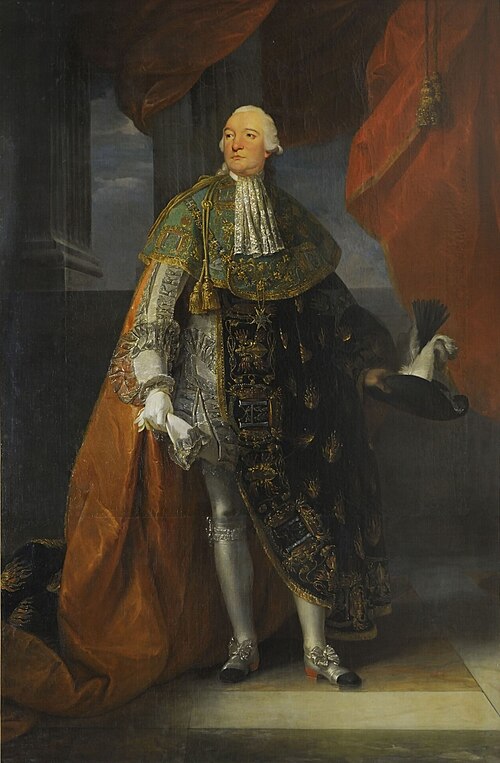
Louis XVIII
ModernEmperorFrance1755 — 1824
Bourbon king restored after Napoleon defeat.
Compare Louis XVIII with another historical figure:
Quick Facts
Born
1755
Died
1824
Country
France
Era
Modern
Occupation
Emperor
Score Overview
Military (10%)17
Political (20%)68
Influence (20%)51
Legacy (20%)43
Leadership (15%)55
Strategy (15%)57
Total Score49.5
Louis XVIII — Complete Timeline
1814 AD
Charter of 1814Reform◆ Major
Louis XVIII granted the Charter of 1814, a constitution that preserved many Napoleonic legal and administrative reforms while restoring the monarchy. It established a hereditary monarchy, a bicameral legislature, and guaranteed civil liberties such as freedom of religion and press.
ConstitutionReformBourbon Restoration
Impact: nationalconstructive
Restoration of the Bourbon MonarchyPolitical Action
After Napoleon's abdication, Louis XVIII was installed as King of France by the Allied powers. He issued the Charter of 1814, establishing a constitutional monarchy with a bicameral parliament. This restored the Bourbon dynasty but under limited sovereignty.
RestorationConstitutional MonarchyBourbon
Impact: nationalconstructive
1815 AD
Hundred Days and Second RestorationPolitical Action◆ Major
Napoleon escaped from Elba and returned to power, forcing Louis XVIII to flee to Ghent. After Napoleon's defeat at Waterloo, Louis returned to the throne in July 1815. The second restoration was marked by the White Terror, a wave of reprisals against Bonapartists and republicans.
Napoleonic WarsRestorationWhite Terror
Impact: nationaldestructive
Congress of ViennaPolitical Action◆ Major
Louis XVIII's representatives participated in the Congress of Vienna, which redrew European borders after Napoleon's defeat. France was reduced to its 1792 borders and required to pay an indemnity. The congress aimed to restore the balance of power and legitimize the Bourbon monarchy.
DiplomacyPost-NapoleonicBalance of Power
Impact: global
1824 AD
Death of Louis XVIIIOther
Louis XVIII died on September 16, 1824, after a reign of nearly ten years. He was succeeded by his brother, Charles X, whose ultra-royalist policies would lead to the July Revolution of 1830. Louis XVIII's reign was marked by relative stability and constitutional governance.
SuccessionMonarchyEnd of Reign
Impact: national
Detailed Scores
▶View all detailed scores
Military
Strategy
7
Tactics
7
Battles
7
Army Scale
6
War Impact
7
Political
Governance
7
Reform
7
Stability
7
Policy
8
Power
8
Influence
History
8
Global
8
Culture
8
Ideology
9
Legacy
8
People often compare with
See how Louis XVIII stacks up against other historical figures
Popular Comparisons
Louis XVIII vs Nizam-ul-Mulk Asaf Jah I
vs Nizam-ul-Mulk Asaf Jah I62
Louis XVIII vs Ivan VI
vs Ivan VI58
Louis XVIII vs Rama III
vs Rama III52
Louis XVIII vs Ajit Singh of Marwar
vs Ajit Singh of Marwar51
Louis XVIII vs Goodwill Zwelithini
vs Goodwill Zwelithini50
Louis XVIII vs Zewditu
vs Zewditu47