Loading...
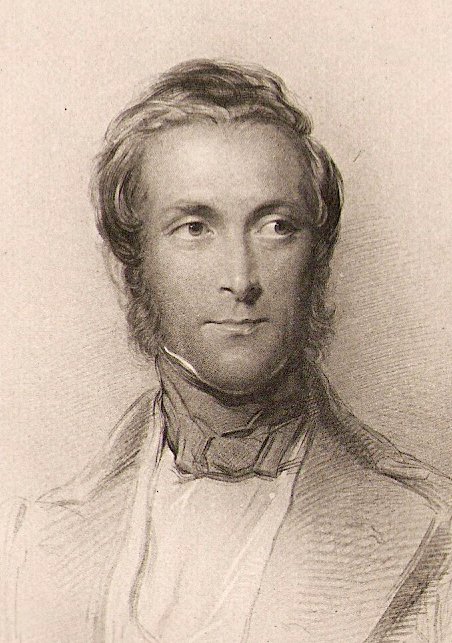
Lord Dalhousie
ModernPoliticianUnited Kingdom1812 — 1860
Governor-General whose Doctrine of Lapse provoked the 1857 rebellion.
Compare Lord Dalhousie with another historical figure:
Quick Facts
Born
1812
Died
1860
Country
United Kingdom
Era
Modern
Occupation
Politician
Score Overview
Military (10%)40
Political (20%)60
Influence (20%)58
Legacy (20%)55
Leadership (15%)74
Strategy (15%)60
Total Score58.4
Lord Dalhousie — Complete Timeline
1848 AD
Second Anglo-Sikh WarWar◆ Major
Dalhousie oversaw the Second Anglo-Sikh War in 1848-1849, which resulted in the British annexation of the Punjab. The Sikh army was defeated at the Battle of Gujrat, and the Treaty of Lahore in 1849 formally annexed the region, ending Sikh sovereignty and extending British rule to the northwest frontier.
Anglo-Sikh WarAnnexationPunjab
Impact: regional
Doctrine of LapsePolitical Action
Lord Dalhousie, as Governor-General of India, implemented the Doctrine of Lapse, a policy that allowed the British to annex any princely state where the ruler died without a natural heir. This policy led to the annexation of states like Satara, Jhansi, and Nagpur, causing widespread resentment among Indian rulers and contributing to the 1857 Rebellion.
AnnexationPolicy1857 Rebellion
Impact: regionaldestructive
1853 AD
Railway and Telegraph ExpansionInvention◆ Major
Dalhousie championed the development of railways and telegraphs in India. The first railway line from Bombay to Thane opened in 1853, and a telegraph network was established connecting major cities. These projects aimed to improve communication, trade, and military control, laying the foundation for India's modern infrastructure.
InfrastructureRailwayTelegraph
Impact: regionalconstructive
1856 AD
Annexation of AwadhPolitical Action◆ Major
Dalhousie annexed the Kingdom of Awadh in 1856 under the pretext of misgovernment. The annexation was highly controversial and deeply resented by the local population and nobility. It became a major cause of the 1857 Indian Rebellion, as Awadh's soldiers and landlords joined the uprising against British rule.
AnnexationAwadh1857 Rebellion
Impact: regionaldestructive
Detailed Scores
▶View all detailed scores
Military
Strategy
7
Tactics
7
Battles
7
Army Scale
6
War Impact
7
Political
Governance
7
Reform
7
Stability
7
Policy
7
Power
8
Influence
History
9
Global
8
Culture
9
Ideology
9
Legacy
9
People often compare with
See how Lord Dalhousie stacks up against other historical figures
Popular Comparisons
Lord Dalhousie vs Mao Zedong
vs Mao Zedong79
Lord Dalhousie vs Abraham Lincoln
vs Abraham Lincoln78
Lord Dalhousie vs George Washington
vs George Washington77
Lord Dalhousie vs Winston Churchill
vs Winston Churchill72
Lord Dalhousie vs Franklin D. Roosevelt
vs Franklin D. Roosevelt71
Lord Dalhousie vs Joseph Stalin
vs Joseph Stalin69