Loading...
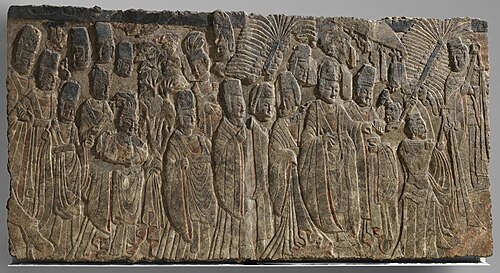
Emperor Xiaowen of Northern Wei
AncientEmperorChina467 — 499
Implemented sweeping Sinicization reforms, moved capital to Luoyang.
Compare Emperor Xiaowen of Northern Wei with another historical figure:
Quick Facts
Born
467
Died
499
Country
China
Era
Ancient
Occupation
Emperor
Score Overview
Military (10%)55
Political (20%)72
Influence (20%)57
Legacy (20%)52
Leadership (15%)66
Strategy (15%)60
Total Score59.4
Emperor Xiaowen of Northern Wei — Complete Timeline
485 AD
Land Equalization SystemReform◆ Major
Emperor Xiaowen implemented the Land Equalization System, which allocated land to peasant households based on the number of able-bodied men. This reform aimed to increase agricultural productivity and tax revenue, and it became a model for later Chinese dynasties.
Land ReformEconomic Policy
Impact: regionalconstructive
490 AD
Implementation of Sinicization ReformsReform◆ Major
Emperor Xiaowen enacted a series of reforms to adopt Chinese culture, including banning Xianbei clothing and language at court, promoting intermarriage between Xianbei and Chinese elites, and adopting Chinese surnames. These reforms aimed to strengthen the dynasty but also caused resentment among some Xianbei nobles.
Cultural ReformSinicization
Impact: regionalconstructive
494 AD
Move of Capital to LuoyangPolitical Action
Emperor Xiaowen moved the Northern Wei capital from Pingcheng (modern Datong) to Luoyang, a traditional Chinese capital. This move was part of his Sinicization reforms, aimed at integrating the Xianbei elite into Chinese culture and administration.
Capital MoveSinicization
Impact: regionalconstructive
496 AD
Adoption of Chinese SurnamesReform
Emperor Xiaowen ordered Xianbei nobles to adopt Chinese surnames, with the imperial family taking the surname Yuan. This was a key part of his Sinicization policy, intended to erase ethnic distinctions and integrate the Xianbei into Chinese society.
Cultural ReformSinicization
Impact: nationalconstructive
Detailed Scores
▶View all detailed scores
Military
Strategy
7
Tactics
7
Battles
7
Army Scale
7
War Impact
7
Political
Governance
6
Reform
7
Stability
6
Policy
7
Power
7
Influence
History
8
Global
7
Culture
8
Ideology
8
Legacy
7
People often compare with
See how Emperor Xiaowen of Northern Wei stacks up against other historical figures
Popular Comparisons
Emperor Xiaowen of Northern Wei vs Piye
vs Piye60
Emperor Xiaowen of Northern Wei vs Mentuhotep II
vs Mentuhotep II58
Emperor Xiaowen of Northern Wei vs Demetrius I Poliorcetes
vs Demetrius I Poliorcetes57
Emperor Xiaowen of Northern Wei vs Marcian
vs Marcian55
Emperor Xiaowen of Northern Wei vs Arcadius
vs Arcadius41
Emperor Xiaowen of Northern Wei vs Ibbit-Lim
vs Ibbit-Lim39