Loading...
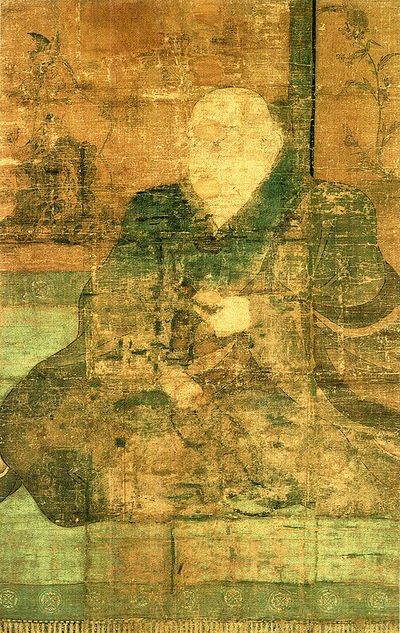
Emperor Go-Shirakawa
MedievalEmperorJapan1127 — 1192
Emperor during the Genpei War and rise of the samurai.
Compare Emperor Go-Shirakawa with another historical figure:
Quick Facts
Born
1127
Died
1192
Country
Japan
Era
Medieval
Occupation
Emperor
Score Overview
Military (10%)20
Political (20%)68
Influence (20%)62
Legacy (20%)52
Leadership (15%)65
Strategy (15%)25
Total Score53.0
Emperor Go-Shirakawa — Complete Timeline
1086 AD
Compilation of the 'Goshui Wakashu' poetry anthologyCultural
Go-Shirakawa ordered the compilation of the Goshui Wakashu, an imperial anthology of waka poetry. This collection preserved Heian-era poetic traditions and influenced Japanese literary culture for centuries.
LiteratureWaka PoetryHeian Period
Impact: nationalconstructive
1156 AD
Role in the Hogen RebellionWar
Go-Shirakawa, as emperor, defeated the forces of retired Emperor Sutoku in the Hogen Rebellion. This victory secured his throne and involved samurai clans like the Minamoto and Taira, marking the first major military intervention by samurai in imperial politics.
Hogen RebellionSamuraiImperial Politics
Impact: national
1180 AD
Leadership during the Genpei WarWar
As cloistered emperor, Go-Shirakawa managed the Genpei War between the Minamoto and Taira clans. He shifted support between factions, ultimately backing Minamoto no Yoritomo, whose victory led to the establishment of the Kamakura shogunate and samurai rule.
Genpei WarKamakura ShogunateSamurai
Impact: national
1185 AD
Establishment of the Kamakura shogunatePolitical Action
Go-Shirakawa formally recognized Minamoto no Yoritomo as shogun, legitimizing the Kamakura shogunate. This act transferred military and political power from the imperial court to the samurai class, fundamentally altering Japan's governance structure.
Kamakura ShogunateSamurai GovernmentFeudal Japan
Impact: national
Detailed Scores
▶View all detailed scores
Military
Strategy
7
Tactics
7
Battles
7
Army Scale
6
War Impact
7
Political
Governance
6
Reform
7
Stability
6
Policy
7
Power
7
Influence
History
9
Global
8
Culture
8
Ideology
9
Legacy
8
People often compare with
See how Emperor Go-Shirakawa stacks up against other historical figures
Popular Comparisons
Emperor Go-Shirakawa vs Stefan Dusan
vs Stefan Dusan64
Emperor Go-Shirakawa vs John III Doukas Vatatzes
vs John III Doukas Vatatzes63
Emperor Go-Shirakawa vs Wladyslaw II Jagiello
vs Wladyslaw II Jagiello61
Emperor Go-Shirakawa vs Casimir III the Great
vs Casimir III the Great60
Emperor Go-Shirakawa vs Ashina Qutlugh
vs Ashina Qutlugh60
Emperor Go-Shirakawa vs Brian Boru
vs Brian Boru56