Loading...
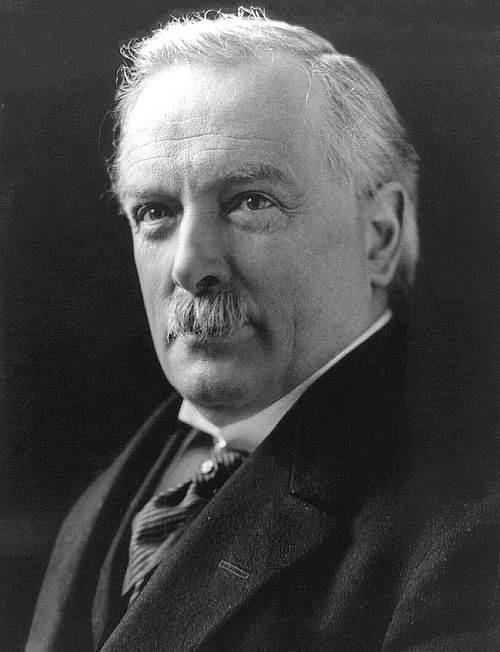
David Lloyd George
ModernPoliticianUnited Kingdom1863 — 1945
British prime minister during the latter part of WWI.
Compare David Lloyd George with another historical figure:
Quick Facts
Born
1863
Died
1945
Country
United Kingdom
Era
Modern
Occupation
Politician
Score Overview
Military (10%)50
Political (20%)82
Influence (20%)55
Legacy (20%)55
Leadership (15%)78
Strategy (15%)43
Total Score60.8
David Lloyd George — Complete Timeline
1916 AD
Became Prime Minister of the United KingdomPolitical Action◆ Major
Lloyd George succeeded H.H. Asquith as head of a coalition government during World War I. He formed a small War Cabinet to streamline decision-making. His leadership was marked by a more vigorous prosecution of the war effort.
World War ICoalition GovernmentLeadership
Impact: global
1917 AD
Introduced the convoy system to combat U-boatsWar◆ Major
Lloyd George overruled Admiralty opposition and mandated the use of merchant convoys escorted by warships. This dramatically reduced shipping losses to German U-boats, ensuring Britain's supply lines remained open and contributing to Allied victory.
World War INaval WarfareConvoys
Impact: globalconstructive
1918 AD
Passed the Representation of the People Act 1918Reform◆ Major
Lloyd George's government enacted this act, which extended the vote to all men over 21 and women over 30 who met property qualifications. It tripled the electorate and was a major step toward universal suffrage in Britain.
SuffrageDemocracyReform
Impact: nationalprogressive
1919 AD
Played a key role in the Paris Peace Conference and Treaty of VersaillesPolitical Action◆ Major
Lloyd George was one of the 'Big Four' leaders at the Paris Peace Conference. He negotiated the Treaty of Versailles, which imposed heavy reparations and territorial losses on Germany. The treaty's terms were controversial and contributed to future instability.
World War IPeace TreatyVersailles
Impact: global
1922 AD
Resigned as Prime MinisterPolitical Action
Lloyd George resigned after the Conservative Party withdrew from his coalition government, following the Chanak Crisis and allegations of selling honors. His departure ended his wartime coalition and led to a Conservative government under Bonar Law.
ResignationCoalitionPolitics
Impact: national
Detailed Scores
▶View all detailed scores
Military
Strategy
6
Tactics
5
Battles
6
Army Scale
5
War Impact
6
Political
Governance
7
Reform
7
Stability
7
Policy
8
Power
8
Influence
History
9
Global
8
Culture
9
Ideology
9
Legacy
9
People often compare with
See how David Lloyd George stacks up against other historical figures
Popular Comparisons
David Lloyd George vs Julio Maria Sanguinetti
vs Julio Maria Sanguinetti55
David Lloyd George vs W. T. Cosgrave
vs W. T. Cosgrave55
David Lloyd George vs Tawfik Abu al-Huda
vs Tawfik Abu al-Huda54
David Lloyd George vs Marcelo Rebelo de Sousa
vs Marcelo Rebelo de Sousa54
David Lloyd George vs Jose Socrates
vs Jose Socrates53
David Lloyd George vs Deendayal Upadhyaya
vs Deendayal Upadhyaya50