Loading...
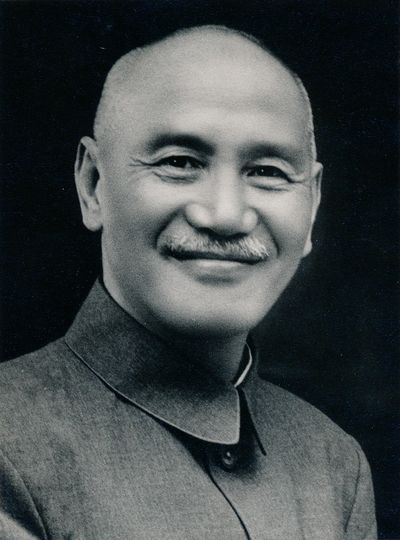
Chiang Kai-shek
ModernPoliticianChina1887 — 1975
Leader of the Kuomintang, commanded China during the Second Sino-Japanese War.
Compare Chiang Kai-shek with another historical figure:
Quick Facts
Born
1887
Died
1975
Country
China
Era
Modern
Occupation
Politician
Score Overview
Military (10%)70
Political (20%)63
Influence (20%)65
Legacy (20%)52
Leadership (15%)66
Strategy (15%)50
Total Score60.6
Chiang Kai-shek — Complete Timeline
1926 AD
Northern ExpeditionWar◆ Major
Chiang Kai-shek led the National Revolutionary Army in the Northern Expedition to defeat warlords and unify China. The campaign succeeded in capturing Beijing and establishing Kuomintang control over most of the country.
UnificationMilitary campaign
Impact: national
1927 AD
Shanghai Massacre of 1927Political Action◆ Major
Chiang Kai-shek ordered the purge of communists and leftists in Shanghai, resulting in thousands of deaths. This event broke the First United Front between the Kuomintang and the Communist Party, leading to civil war.
PurgeCivil war
Impact: nationaldestructive
1937 AD
Leadership during the Second Sino-Japanese WarWar
Chiang Kai-shek, as leader of the Kuomintang, commanded Chinese forces during the Second Sino-Japanese War. He directed the defense of Shanghai and the relocation of the capital to Chongqing, maintaining resistance against Japan.
World War IIChinese resistance
Impact: global
1945 AD
Signing of the Sino-Soviet Treaty of 1945Political Action◆ Major
Chiang Kai-shek signed the Sino-Soviet Treaty of Friendship and Alliance, which recognized Soviet interests in Manchuria in exchange for Soviet support against Japan. The treaty later facilitated Communist gains in the civil war.
DiplomacySoviet Union
Impact: global
1949 AD
Retreat to TaiwanPolitical Action
After losing the Chinese Civil War to the Communists, Chiang Kai-shek retreated to Taiwan with the remnants of the Kuomintang government and military. He established the Republic of China on Taiwan, claiming legitimacy over all of China.
TaiwanExileCold War
Impact: globaltragic
Detailed Scores
▶View all detailed scores
Military
Strategy
7
Tactics
7
Battles
7
Army Scale
6
War Impact
7
Political
Governance
7
Reform
7
Stability
7
Policy
8
Power
8
Influence
History
9
Global
9
Culture
9
Ideology
10
Legacy
9
People often compare with
See how Chiang Kai-shek stacks up against other historical figures
Popular Comparisons
Chiang Kai-shek vs Mustafa Kemal Ataturk
vs Mustafa Kemal Ataturk80
Chiang Kai-shek vs Mao Zedong
vs Mao Zedong79
Chiang Kai-shek vs Abraham Lincoln
vs Abraham Lincoln78
Chiang Kai-shek vs George Washington
vs George Washington77
Chiang Kai-shek vs Ito Hirobumi
vs Ito Hirobumi74
Chiang Kai-shek vs Winston Churchill
vs Winston Churchill72