Loading...
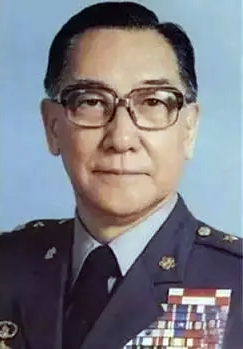
Chiang Ching-kuo
ModernPoliticianChina1910 — 1988
President of China who led economic development and democratization.
Compare Chiang Ching-kuo with another historical figure:
Quick Facts
Born
1910
Died
1988
Country
China
Era
Modern
Occupation
Politician
Score Overview
Military (10%)37
Political (20%)72
Influence (20%)57
Legacy (20%)52
Leadership (15%)80
Strategy (15%)53
Total Score58.9
Chiang Ching-kuo — Complete Timeline
1972 AD
Formation of the Kuomintang ReformPolitical Action
Chiang Ching-kuo initiated reforms within the Kuomintang to reduce corruption and increase Taiwanese representation. He promoted younger, technocratic leaders and implemented policies to integrate native Taiwanese into the party and government, strengthening the KMT's legitimacy.
KMTPolitical ReformTaiwan
Impact: nationalconstructive
1973 AD
Ten Major Construction ProjectsReform◆ Major
As Premier, Chiang Ching-kuo launched the Ten Major Construction Projects, including highways, railways, airports, and a steel mill. These infrastructure investments modernized Taiwan's economy, improved transportation, and laid the foundation for its export-oriented industrialization.
InfrastructureEconomic DevelopmentTaiwan
Impact: nationalconstructive
1987 AD
Lifting of Martial LawPolitical Action
Chiang Ching-kuo lifted martial law in Taiwan, ending 38 years of military rule. This decision allowed the formation of new political parties, restored civil liberties, and initiated a democratic transition, including the legalization of the Democratic Progressive Party.
DemocratizationMartial LawTaiwan
Impact: nationalprogressive
Opening of Family Visits to Mainland ChinaPolitical Action◆ Major
Chiang Ching-kuo allowed Taiwanese civilians to visit relatives in mainland China for the first time since 1949. This policy ended decades of separation for many families and initiated a gradual thaw in cross-strait relations, though official contacts remained limited.
Cross-Strait RelationsFamily ReunificationTaiwan
Impact: regionalconstructive
Detailed Scores
▶View all detailed scores
Military
Strategy
6
Tactics
5
Battles
6
Army Scale
5
War Impact
6
Political
Governance
7
Reform
7
Stability
7
Policy
8
Power
8
Influence
History
9
Global
8
Culture
9
Ideology
9
Legacy
8
People often compare with
See how Chiang Ching-kuo stacks up against other historical figures
Popular Comparisons
Chiang Ching-kuo vs Koprulu Mehmed Pasha
vs Koprulu Mehmed Pasha62
Chiang Ching-kuo vs Mahinda Rajapaksa
vs Mahinda Rajapaksa57
Chiang Ching-kuo vs Antonio Segni
vs Antonio Segni53
Chiang Ching-kuo vs Chadli Bendjedid
vs Chadli Bendjedid50
Chiang Ching-kuo vs Wang Yi
vs Wang Yi50
Chiang Ching-kuo vs Punsalmaagiin Ochirbat
vs Punsalmaagiin Ochirbat46