Loading...
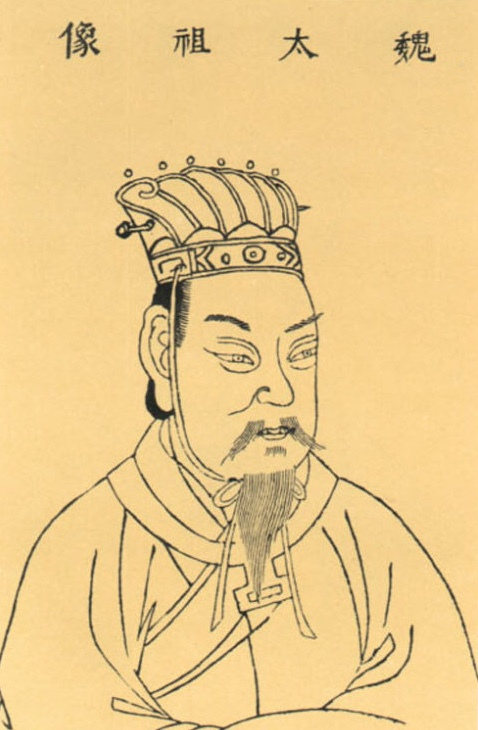
Cao Cao
AncientGeneralChina155 — 220
东汉末年杰出的政治家、军事家、文学家。挟天子以令诸侯,统一北方,为曹魏政权奠基。
Compare Cao Cao with another historical figure:
Quick Facts
Born
155
Died
220
Country
China
Era
Ancient
Occupation
General
Score Overview
Military (10%)88
Political (20%)59
Influence (20%)82
Legacy (20%)83
Leadership (15%)64
Strategy (15%)89
Total Score77.5
Cao Cao — Complete Timeline
190 AD
Formation of the Coalition against Dong ZhuoPolitical Action
Cao Cao joined a coalition of regional warlords led by Yuan Shao to overthrow the tyrannical chancellor Dong Zhuo, who had seized control of the Han court. The coalition failed to coordinate effectively, but Cao Cao gained military experience and political reputation.
CoalitionDong ZhuoHan Dynasty
Impact: national
196 AD
Implementation of Tuntian (Agricultural Colonies)Reform◆ Major
Cao Cao established military agricultural colonies (tuntian) to provide food for his army and refugees. Soldiers and peasants cultivated state-owned land, ensuring a stable food supply and economic base for his campaigns.
AgricultureEconomyMilitary
Impact: regionalconstructive
200 AD
Battle of GuanduWar
Cao Cao decisively defeated Yuan Shao's numerically superior army at Guandu. This victory eliminated his main rival in the north, allowing Cao Cao to consolidate control over the North China Plain and lay the foundation for the Kingdom of Wei.
BattleYuan ShaoUnification
Impact: regional
208 AD
Battle of Red CliffsWar
Cao Cao's southern campaign was halted by the allied forces of Sun Quan and Liu Bei at the Battle of Red Cliffs. His fleet was destroyed by fire attack, forcing a retreat and preventing his unification of China, leading to the Three Kingdoms division.
BattleDefeatThree Kingdoms
Impact: regional
213 AD
Establishment of the Kingdom of WeiPolitical Action◆ Major
Cao Cao was granted the title of Duke of Wei and later King of Wei by the Han emperor, effectively creating a semi-autonomous state within the empire. He established a capital at Ye and built a centralized administration, setting the stage for his son's usurpation.
WeiStatehoodHan Dynasty
Impact: national
Detailed Scores
▶View all detailed scores
Military
Strategy
8
Tactics
8
Battles
8
Army Scale
8
War Impact
8
Political
Governance
5
Reform
5
Stability
5
Policy
5
Power
5
Influence
History
8
Global
7
Culture
8
Ideology
8
Legacy
8
People often compare with
See how Cao Cao stacks up against other historical figures