Loading...
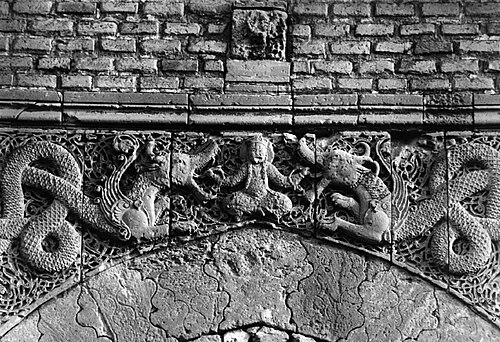
Al-Nasir
MedievalEmperorAbbasid Caliphate1158 — 1225
Long-reigning caliph who restored significant Abbasid power.
Compare Al-Nasir with another historical figure:
Quick Facts
Born
1158
Died
1225
Country
Abbasid Caliphate
Era
Medieval
Occupation
Emperor
Score Overview
Military (10%)70
Political (20%)60
Influence (20%)60
Legacy (20%)52
Leadership (15%)72
Strategy (15%)55
Total Score60.3
Al-Nasir — Complete Timeline
1180 AD
Restoration of Caliphal PowerPolitical Action
Al-Nasir began his reign by consolidating caliphal power in Baghdad and reducing the influence of the Seljuk sultan. He reorganized the administration and built a strong military, laying the foundation for a revived caliphate.
Caliphal RevivalConsolidationBaghdad
Impact: regionalconstructive
1194 AD
Conflict with the Khwarezmian EmpireWar◆ Major
Al-Nasir allied with the Ghurids against the Khwarezmian Empire, which had become a major power. The conflict weakened the Khwarezmians but also drained caliphal resources, leading to a stalemate.
Khwarezmian WarGhurid AlliancePower Struggle
Impact: regional
1207 AD
Reform of the Futuwwa OrdersReform◆ Major
Al-Nasir reformed the futuwwa (chivalric) orders, incorporating them into the caliphal administration. He made himself the supreme head of the futuwwa, using it to spread caliphal influence across the Islamic world.
FutuwwaReformCaliphal Influence
Impact: regionalconstructive
1210 AD
Suppression of the IsmailisPolitical Action◆ Major
Al-Nasir launched a campaign against the Ismaili sect in the mountains of Iran, destroying their fortresses. This action aimed to eliminate a rival religious and political force and assert Sunni orthodoxy.
Ismaili SuppressionReligious CampaignSunni Orthodoxy
Impact: regionaldestructive
1217 AD
Diplomatic Overtures to the MongolsPolitical Action◆ Major
Al-Nasir sent an embassy to the Mongol ruler Genghis Khan, seeking an alliance against the Khwarezmian Empire. This diplomatic move failed to prevent the Mongol invasion of the Islamic world.
Mongol DiplomacyGenghis KhanAlliance Attempt
Impact: global
1225 AD
Death and LegacyOther◆ Major
Al-Nasir died after a 45-year reign, leaving the caliphate stronger than it had been for centuries. His policies restored caliphal authority in Iraq and expanded its influence, but the Mongol threat loomed.
DeathLegacyCaliphal Revival
Impact: regionalconstructive
Detailed Scores
▶View all detailed scores
Military
Strategy
7
Tactics
7
Battles
7
Army Scale
6
War Impact
7
Political
Governance
6
Reform
7
Stability
6
Policy
7
Power
7
Influence
History
9
Global
8
Culture
8
Ideology
9
Legacy
8
People often compare with
See how Al-Nasir stacks up against other historical figures
Popular Comparisons
Al-Nasir vs Wladyslaw II Jagiello
vs Wladyslaw II Jagiello61
Al-Nasir vs Qaitbay
vs Qaitbay59
Al-Nasir vs Sigismund
vs Sigismund58
Al-Nasir vs Petru Rares
vs Petru Rares53
Al-Nasir vs Qasim Khan
vs Qasim Khan52
Al-Nasir vs Macbeth of Scotland
vs Macbeth of Scotland49