Loading...
Tamerlane vs Tughril
Tamerlane leads by 3.0 pts · 2 figures compared
…
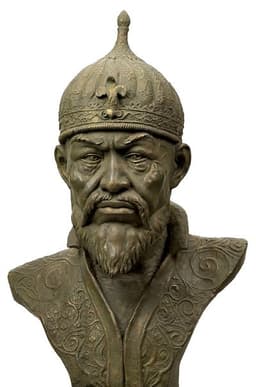
Tamerlane
Emperor · Medieval
64.7Total
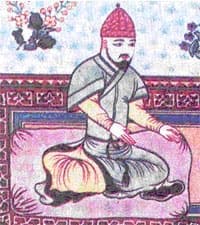
Tughril
Emperor · Medieval
61.7Total
Basic Information
Born
1336
990
Died
1405
1063
Era
Medieval
Medieval
Nationality
Timurid Empire
Seljuk Empire
Occupation
Emperor
Emperor
Civilization
Middle Eastern
Middle Eastern
Score Comparison
Military (10%)
93.3
78.0
Political (20%)
57.3
45.0
Influence (20%)
55.0
68.0
Legacy (20%)
58.0
55.0
Leadership (15%)
65.0
66.0
Strategy (15%)
88.0
65.4
TOTAL
64.7
61.7
Tamerlane — Complete Timeline
1380 AD
Conquest of KhorasanWar◆ Major
Tamerlane conquered Khorasan from the Kartids, capturing Herat and establishing his base of power. This victory marked the beginning of his rise as a major military leader in Central Asia.
ConquestCentral AsiaKhorasan
Impact: regional
1387 AD
Sack of IsfahanWar◆ Major
After a rebellion in Isfahan, Tamerlane ordered a massacre of the city's inhabitants, reportedly building towers of skulls. The sack was part of his campaign to subdue Persia and served as a brutal warning to other cities.
MassacrePersiaTerror
Impact: regionaldestructive
1398 AD
Invasion of India and Sack of DelhiWar◆ Major
Tamerlane invaded the Delhi Sultanate, defeating Sultan Nasir-ud-Din Mahmud Shah Tughluq at the Battle of Delhi. His army sacked Delhi, massacring tens of thousands of civilians and looting the city's wealth, including the Peacock Throne.
InvasionIndiaDelhi
Impact: globaldestructive
1401 AD
Destruction of DamascusWar◆ Major
Tamerlane besieged and sacked Damascus, burning the Umayyad Mosque and deporting artisans to Samarkand. The destruction was part of his campaign against the Mamluk Sultanate, which had refused to submit to his authority.
SackSyriaMamluk Sultanate
Impact: regionaldestructive
1402 AD
Battle of AnkaraWar
Tamerlane defeated the Ottoman Sultan Bayezid I at the Battle of Ankara, capturing him. The victory shattered Ottoman power and led to a civil war in the Ottoman Empire, delaying their conquest of Constantinople by 50 years.
BattleOttoman EmpireAnatolia
Impact: global
1405 AD
Death during Campaign against Ming ChinaWar
Tamerlane died of illness while leading a massive army towards the Ming dynasty of China. His death ended the campaign and led to the fragmentation of his empire among his sons and grandsons.
DeathMing ChinaCampaign
Impact: globaltragic
Tughril — Complete Timeline
1040 AD
Battle of DandanaqanWar
Tughril led the Seljuk Turks to a decisive victory over the Ghaznavid Empire at Dandanaqan in Khorasan. This battle ended Ghaznavid control over the region and established the Seljuk Empire as a major power in Persia and Central Asia.
BattleSeljuk EmpireGhaznavids
Impact: regional
1048 AD
Campaigns Against the Byzantine EmpireWar
Tughril launched raids into Byzantine Anatolia, capturing cities such as Erzurum. These campaigns weakened Byzantine control in the east and paved the way for later Seljuk expansion, though they did not result in permanent conquest at this time.
Byzantine WarsRaidsAnatolia
Impact: regional
1055 AD
Conquest of BaghdadWar◆ Major
Tughril entered Baghdad at the invitation of the Abbasid caliph Al-Qa'im, who sought protection from the Buyid dynasty. Tughril overthrew the Buyids and was granted the title of Sultan, becoming the de facto ruler of the Islamic world while preserving the caliph as a figurehead.
ConquestBaghdadSultanate
Impact: regional
1063 AD
Marriage to the Abbasid PrincessPolitical Action
Tughril married the daughter of the Abbasid caliph Al-Qa'im, solidifying the alliance between the Seljuk sultans and the caliphate. This union legitimized Seljuk rule and established a precedent for future sultan-caliph relations.
MarriageAllianceCaliphate
Impact: regionalconstructive
Expert Analysis
Origins
Tamerlane, born Timur ibn Taraghai Barlas in 1336 near Kesh (modern Shahrisabz, Uzbekistan), was a member of the Barlas tribe, a Mongol clan that had adopted Turkic language and Islam. His father, Taraghai, was a minor noble, and Tamerlane grew up in a fractured region under Chagatai Khanate rule. A childhood injury to his right leg and hand earned him the Persian nickname 'Timur-e Lang' (Timur the Lame). He received some education but was more inclined toward horsemanship and hunting, learning tribal warfare from local conflicts.
Tughril, born Tughril Beg in the 990s (exact year uncertain), was a Turkic chieftain of the Oghuz Yabghu state in the steppes of Central Asia. His grandfather, Seljuk, had founded the Seljuk clan, and his father, Mikail, died in battle against the Ghaznavids. Tughril and his brother Chaghri were raised under the guidance of their uncle, who was a military leader. They led their nomadic followers in search of new pastures, eventually entering Khorasan and engaging with the Ghaznavid Empire.
Rise to Power
Tamerlane rose to power through a combination of military skill and political maneuvering. In the 1360s, he became a leader in the Chagatai Khanate, allying with Amir Husayn, a fellow Mongol noble. They conquered Transoxiana, but after a falling out, Tamerlane defeated Husayn at Balkh in 1370, declaring himself sovereign. He then expanded his territory, beginning with the conquest of Khorasan from the Kartids in 1380, capturing Herat. This victory marked the start of his imperial rise. By 1384, he had taken all of Khorasan, and by 1393, he subdued the Muzaffarid dynasty in Persia. His turning point came at the Battle of Ankara in 1402, where he defeated and captured Ottoman Sultan Bayezid I, shattering Ottoman power and causing a civil war among Bayezid's sons. This victory made Tamerlane the paramount ruler of the Islamic world.
Tughril's rise began when he and his brother Chaghri led the Seljuk migration into Khorasan, seeking land and resources. The Ghaznavid ruler Mas'ud I attempted to stop them but was decisively defeated at the Battle of Dandanaqan in 1040. This victory gave the Seljuks control over Khorasan, and Tughril was proclaimed sultan. He then expanded westward, conquering the Buyid domains and, in 1055, entered Baghdad at the invitation of the Abbasid caliph Al-Qa'im, who sought protection from the Buyids. Tughril overthrew the Buyids and was granted the title 'Sultan of the East and West,' effectively becoming the ruler of the Islamic heartland, with the caliph as a spiritual figurehead.
Leadership & Governance
Tamerlane's leadership style was autocratic and brutal, relying on military force and terror. He used scorched-earth tactics and massacres to subdue rebellions, such as the sack of Isfahan in 1387, where he ordered the killing of thousands and built towers of skulls. He governed through a centralized system with local governors, but his empire was held together by personal loyalty and fear. He promoted Persian and Islamic culture, patronizing arts and architecture in Samarkand, which he adorned with craftsmen from conquered cities. However, his governance was primarily extractive, funding further campaigns.
Tughril, in contrast, adopted a more conciliatory approach, legitimizing his rule through the Abbasid caliphate. He married the caliph's daughter, cementing the Seljuk alliance with Sunni Islam. He maintained the existing administrative structures of the Buyids and Ghaznavids, using Persian bureaucrats. His leadership was less about personal terror and more about establishing a stable sultanate that could integrate Turkic warriors with Persian bureaucracy. However, he faced challenges from his own kin, such as his brother Chaghri, and spent much of his reign campaigning to suppress revolts.
Triumph & Tragedy
Tamerlane's greatest triumph was his military campaign that created an empire stretching from Delhi to the Mediterranean. His invasion of India in 1398 and sack of Delhi demonstrated his logistical and tactical prowess, defeating the Delhi Sultanate and massacring tens of thousands. He also defeated the Mamluks in Syria and the Ottomans, making him the most powerful Muslim ruler of his time. His tragedy was his death in 1405 while leading a massive army toward Ming China, which ended his campaign and led to the rapid fragmentation of his empire. His sons and grandsons fought for succession, and the Timurid dynasty never regained his glory.
Tughril's triumph was founding the Seljuk Empire, which became the dominant power in the Middle East. His victory at Dandanaqan shattered Ghaznavid power, and his conquest of Baghdad restored Sunni orthodoxy under the Abbasids. He also launched campaigns against the Byzantine Empire, capturing Erzurum and paving the way for future Seljuk expansion into Anatolia. His tragedy was his lack of a clear successor; he died in 1063 without a son, leading to a succession struggle between his nephew and brother, which temporarily destabilized the empire. However, the Seljuk Empire continued under his successors, notably Alp Arslan and Malik Shah.
Character & Destiny
Tamerlane was a ruthless, ambitious, and strategic leader, known for his meticulous planning and adaptability. He was deeply religious but used Islam to justify his conquests. His character was marked by a desire for supremacy, and he showed no mercy to those who opposed him. His destiny was that his empire was built on his personal charisma and military genius, and it could not survive without him. Historians note that his scores of 93.3 in military and 88.0 in strategy reflect his tactical brilliance, but his political score of 57.3 indicates his inability to create lasting institutions.
Tughril was a pragmatic and patient leader, focused on building a stable state. He was less flamboyant than Tamerlane but equally determined. His alliance with the caliphate gave him legitimacy, and his military skills (scoring 78.0) were sufficient to defeat his enemies. His leadership (66.0) and strategy (65.4) were solid, but his political score (45.0) reflects his struggles with tribal politics. His destiny was to lay the foundation for a dynasty that would last over a century, even if his own reign was marked by constant warfare.
Legacy
Tamerlane's legacy is mixed. He is remembered as a brutal conqueror who caused massive destruction and death, but also as a patron of arts and architecture in Samarkand. His empire did not endure, but his descendants, the Mughals in India, founded a major empire. His influence on military tactics and his use of terror as a tool of statecraft are studied. His scores: influence 55.0, legacy 58.0, total 64.7.
Tughril's legacy is more institutional. He founded the Seljuk Empire, which restored Sunni orthodoxy, revitalized the Abbasid caliphate, and set the stage for the Crusades. The Seljuks introduced Turkic rule to the Middle East, reshaping the region's political and ethnic map. His influence (68.0) and legacy (55.0) reflect his role as a founder, though his personal scores (total 61.7) are lower than Tamerlane's due to lesser military impact.
Conclusion
Tamerlane had greater immediate impact and military achievement, as reflected in his higher total score (64.7 vs 61.7). His battles, especially the defeat of the Ottomans, reshaped the course of history. However, Tughril's legacy was more enduring: the Seljuk Empire lasted for generations and influenced the Islamic world profoundly. While Tamerlane's empire collapsed upon his death, Tughril's survived and expanded. Ultimately, Tamerlane's military score (93.3) dwarfs Tughril's (78.0), but in terms of lasting influence, Tughril's founding of a dynasty that shaped the Middle East for centuries gives him a stronger claim to long-term impact. Yet, based on the data, Tamerlane's higher overall score and decisive victories position him as the more formidable figure, even if his empire was ephemeral. Therefore, Tamerlane is the greater conqueror, but Tughril is the more significant state-builder.
Rankings
🥇
TamerlaneLeader
Mil: 93.3Pol: 57.3Inf: 55.0
64.7
🥈
Tughril
Mil: 78.0Pol: 45.0Inf: 68.0
61.7
+3.0 behind
How This Comparison Works
Algorithm
Each figure is scored on 6 dimensions (0—100 scale) based on structured historical data: Military (10%), Political (20%), Influence (20%), Legacy (20%), Leadership (15%), Strategy (15%). The weighted total produces the final ranking.
Data Sources
Scores are computed from structured sub-indicators in the database. Scale factors adjust for era (Ancient ×0.85, Modern ×1.0) and civilization size (Eastern ×1.05, Other ×0.80) to account for differences in population and military scale.
Maximum 3 Figures
Comparisons are limited to 2—3 figures to ensure readability and statistical meaningfulness.
Error Margins
±5 points per dimension — Sub-scores are derived from historical records with inherent uncertainty. Two figures within 5 points on a dimension should be considered roughly equivalent in that area.
Total Score Accuracy
±3 points overall — The weighted combination of 6 dimensions produces a total score with approximately ±3 points of uncertainty. Differences of less than 3 points are not statistically significant— the figures are effectively tied.
Known Limitations
- Historical records are incomplete and uneven across civilizations
- Figures from oral-tradition societies may be underrepresented
- Occupation labels can misclassify multi-role figures
- Scores measure capability and impact, not moral character
- Quantitative scoring is a comparison tool, not absolute truth
Capability Radar
Military (10%) — Battles & Warfare
Battles
95
75
Win Rate
92
80
Expansion
97
80
Political (20%) — Governance & Reform
Reform
75
60
Diplomacy
70
75
Economy
72
60
Influence (20%) — Cultural & Global Reach
Cultural
75
65
Global
80
70
Legacy (20%) — Historical Impact
Historical
85
75
Longevity
70
70
Leadership (15%) — Power & Stability
Tenure
80
70
Stability
60
65
Strategy (15%) — Tactics & Innovation
Strategy
94
75
Tactics
96
70
Reform
85
65
Similar Comparisons
Comments & Discussion
No comments yet. Be the first to share your thoughts!