Loading...
King Munmu vs Nebuchadnezzar II
King Munmu leads by 0.5 pts · 2 figures compared
…

King Munmu
Emperor · Ancient
64.5Total
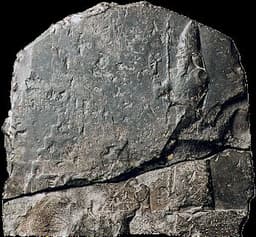
Nebuchadnezzar II
Emperor · Ancient
64.0Total
Basic Information
Born
-626
-634
Died
—
-562
Era
Ancient
Ancient
Nationality
Korea
Babylon
Occupation
Emperor
Emperor
Civilization
Eastern
Middle Eastern
Score Comparison
Military (10%)
76.0
78.0
Political (20%)
70.0
72.0
Influence (20%)
58.3
68.0
Legacy (20%)
52.0
40.0
Leadership (15%)
85.0
78.0
Strategy (15%)
61.2
67.2
TOTAL
64.5
64.0
King Munmu — Complete Timeline
660 AD
Battle of HwangsanbeolWar◆ Major
Silla forces under King Munmu (then Prince) allied with Tang China to defeat the Baekje army at Hwangsanbeol. This victory led to the fall of the Baekje kingdom, a key step toward unification.
Three Kingdoms PeriodSilla-Tang AllianceBaekje Conquest
Impact: regional
668 AD
Battle of Salsu RiverWar◆ Major
Silla forces under King Munmu, in coordination with Tang China, defeated the Goguryeo army at the Salsu River. This victory resulted in the fall of Goguryeo, completing the unification of the Three Kingdoms under Silla.
Three Kingdoms PeriodSilla-Tang AllianceGoguryeo Conquest
Impact: regional
670 AD
Silla-Tang WarWar◆ Major
After the fall of Goguryeo, Tang China attempted to establish control over the Korean peninsula. King Munmu led Silla forces in a war against Tang, successfully expelling Chinese forces and securing Silla's dominance over the unified territory.
Silla-Tang WarUnificationIndependence
Impact: regional
676 AD
Establishment of the Unified Silla KingdomPolitical Action
King Munmu formally established the Unified Silla Kingdom after expelling Tang forces. This marked the first time the Korean peninsula was unified under a single indigenous ruler, creating a period of peace and cultural flourishing.
UnificationSilla DynastyKorean History
Impact: regionalconstructive
Nebuchadnezzar II — Complete Timeline
597 BC
Conquest of JudahWar◆ Major
Nebuchadnezzar II first captured Jerusalem in 597 BCE, deposing King Jehoiachin and installing Zedekiah as a vassal. This initial conquest began the Babylonian domination of Judah.
ConquestJudahBabylon
Impact: regional
587 BC
Destruction of the First TempleWar
Nebuchadnezzar II's Babylonian army besieged Jerusalem, destroyed Solomon's Temple, and deported many Jews to Babylon. This event, known as the Babylonian Captivity, reshaped Jewish religious and national identity.
SiegeJerusalemJewish History
Impact: globaldestructive
580 BC
Construction of the Hanging GardensCultural◆ Major
Nebuchadnezzar II is traditionally credited with building the Hanging Gardens of Babylon, one of the Seven Wonders of the Ancient World. The gardens were a terraced structure with exotic plants, though their existence is debated.
ArchitectureWonderBabylon
Impact: globalconstructive
575 BC
Construction of the Ishtar GateCultural◆ Major
Nebuchadnezzar II built the Ishtar Gate, a monumental entrance to Babylon decorated with glazed bricks depicting lions and dragons. The gate symbolized Babylonian power and was part of his extensive building program.
ArchitectureGateBabylon
Impact: regionalconstructive
Expert Analysis
Origins
King Munmu (626–681 CE) was born as Kim Beop-min, the second son of King Muyeol of Silla, one of the Three Kingdoms of Korea. His family was deeply entrenched in the Silla aristocracy, and he received a rigorous education in military strategy and governance. His father, Muyeol, had already begun the campaign to unify the peninsula through alliances with Tang China. Munmu's formative years were spent observing the intricate diplomacy and warfare that characterized the late Three Kingdoms period.
Nebuchadnezzar II (c. 634–562 BCE) was the eldest son of Nabopolassar, the founder of the Neo-Babylonian Empire. Born into a Chaldean dynasty that had just overthrown Assyrian domination, Nebuchadnezzar grew up amidst the empire-building efforts of his father. He likely participated in military campaigns from a young age, learning the art of siege warfare and imperial administration. His upbringing was steeped in the traditions of Mesopotamian kingship, with a focus on building a lasting legacy through monumental construction.
Rise to Power
King Munmu ascended the Silla throne in 661 CE after his father's death. His rise was facilitated by his father's earlier victories, but Munmu had to consolidate power quickly as the unified campaign against Baekje and Goguryeo was ongoing. His key turning point came in 660 CE when, as crown prince, he led Silla forces alongside Tang China in the Battle of Hwangsanbeol, resulting in the fall of Baekje. This victory earned him military credibility and the support of the Silla nobility. In 668 CE, after the fall of Goguryeo at the Battle of Salsu River, Munmu faced a new challenge: Tang China sought to dominate the Korean peninsula. This led to the Silla-Tang War (668–676 CE), where Munmu successfully expelled Tang forces, securing Silla's independence and unifying the peninsula under his rule.
Nebuchadnezzar II became king in 605 BCE after his father's death. He had already proven himself as a military commander, leading the Babylonian army to victory against the Egyptians at the Battle of Carchemish in 605 BCE. This victory established Babylonian dominance over Syria and Palestine. His early reign focused on securing the empire's borders and suppressing rebellions. The conquest of Jerusalem in 597 BCE and the subsequent destruction of the First Temple in 586 BCE marked the peak of his military power. He also crushed the Phoenician city of Tyre after a lengthy siege (585–573 BCE), further cementing his reputation as a formidable conqueror.
Leadership & Governance
King Munmu's leadership style was pragmatic and adaptive. He maintained the existing Silla administrative structures while incorporating elements from conquered territories. His governance focused on integrating the former kingdoms of Baekje and Goguryeo into a unified state, offering positions to local elites and promoting cultural exchange. He also reformed the military by establishing a centralized command, which allowed him to successfully resist Tang China. Munmu's approach was diplomatic as much as military; he used marriage alliances and tribute to secure peace with Tang after the war. His score of 85.0 in leadership reflects his ability to navigate complex geopolitical situations.
Nebuchadnezzar II was an autocratic ruler who emphasized centralization and monumental building projects. He rebuilt Babylon into a magnificent city, constructing the Ishtar Gate, the Hanging Gardens, and massive defensive walls. His administration relied on a bureaucracy that managed irrigation systems, trade, and tribute collection. Nebuchadnezzar's governance was harsh toward rebellious subjects; he deported conquered peoples, including the Jews, to prevent uprisings. His political score of 72.0 indicates effective control but lacks the integrative success of Munmu. Nebuchadnezzar's leadership was characterized by grand vision but also by cruelty, as seen in the destruction of Jerusalem.
Triumph & Tragedy
King Munmu's greatest triumph was the unification of the Korean peninsula under Silla, a feat that had eluded previous rulers. His victory in the Silla-Tang War (668–676 CE) preserved Korean independence from Chinese domination. However, his reign also saw the suppression of local identities, leading to resentment in former Baekje and Goguryeo territories. His military score of 76.0 is slightly lower than Nebuchadnezzar's, but his strategic score of 61.2 reflects his ability to turn a former ally into an adversary and win. The tragedy of Munmu's legacy is that unification came at the cost of cultural diversity and led to a rigid class system that later caused social strife.
Nebuchadnezzar II's triumphs include the construction of the Hanging Gardens, one of the Seven Wonders of the Ancient World, and the expansion of the Babylonian Empire to its greatest extent. His destruction of the First Temple in 586 BCE reshaped Jewish history and religion. However, his legacy is marred by the exile and suffering of the Jewish people, and his empire collapsed shortly after his death. His influence score of 68.0 reflects his impact on world history, but his legacy score of 40.0 is low because his empire did not endure. The Hanging Gardens may be a myth, and his military achievements were ultimately ephemeral.
Character & Destiny
King Munmu was known for his resolve and strategic patience. He was willing to ally with Tang China to achieve unification, then turn against them when necessary. His character was pragmatic—he prioritized the survival and unity of Silla over personal glory. This is evident in his decision to reconcile with former enemies after the war. His leadership score of 85.0 indicates a ruler who inspired loyalty and effectively managed his court. However, his reliance on the aristocracy led to internal power struggles after his death.
Nebuchadnezzar II was a megalomaniacal builder and conqueror. Inscriptions from his reign boast of his achievements, revealing a king obsessed with legacy. His character was ruthless; he destroyed cities and deported populations without hesitation. The biblical account of his madness (Daniel 4) suggests a ruler prone to hubris. His strategic score of 67.2 reflects competent military planning, but his inability to secure a lasting dynasty led to the rapid decline of Babylon after his death. His character shaped his destiny: he built magnificently but failed to create institutions that outlasted him.
Legacy
King Munmu's legacy is the Unified Silla Kingdom, which lasted for nearly 300 years (676–935 CE). He established a foundation for Korean culture and identity, influencing the Goryeo and Joseon dynasties. His unification is celebrated in Korean history as the first time the peninsula was united. His influence score of 58.3 is moderate because Korea remained relatively isolated, but his impact on Korean national identity is profound. The Silla system of government, with its centralized bureaucracy and ranking system, became a model for later Korean states.
Nebuchadnezzar II's legacy is more ambiguous. The Hanging Gardens, if real, are lost to time, and Babylon itself fell to the Persians in 539 BCE. However, his destruction of the First Temple and the subsequent Babylonian Exile had a lasting impact on Judaism, shaping the development of the Hebrew Bible and Jewish theology. His influence score of 68.0 reflects this cultural and religious impact. Yet his legacy score of 40.0 indicates that his empire did not endure, and his name is often associated with tyranny in Western tradition.
Conclusion
Between King Munmu and Nebuchadnezzar II, King Munmu had a greater and more enduring impact. While Nebuchadnezzar's military and political scores (78.0 and 72.0) slightly exceed Munmu's (76.0 and 70.0), Munmu's leadership score of 85.0 and legacy score of 52.0 versus Nebuchadnezzar's 40.0 demonstrate that Munmu built a stable, lasting state. Nebuchadnezzar's empire collapsed within decades, whereas Unified Silla endured for centuries and shaped Korean civilization. Munmu's unification of Korea was a foundational event in East Asian history, while Nebuchadnezzar's conquests, though dramatic, did not create a lasting political entity. Thus, King Munmu's impact is more substantial and positive.
Rankings
🥇
King MunmuLeader
Mil: 76.0Pol: 70.0Inf: 58.3
64.5
🥈
Nebuchadnezzar II
Mil: 78.0Pol: 72.0Inf: 68.0
64.0
+0.5 behind
How This Comparison Works
Algorithm
Each figure is scored on 6 dimensions (0—100 scale) based on structured historical data: Military (10%), Political (20%), Influence (20%), Legacy (20%), Leadership (15%), Strategy (15%). The weighted total produces the final ranking.
Data Sources
Scores are computed from structured sub-indicators in the database. Scale factors adjust for era (Ancient ×0.85, Modern ×1.0) and civilization size (Eastern ×1.05, Other ×0.80) to account for differences in population and military scale.
Maximum 3 Figures
Comparisons are limited to 2—3 figures to ensure readability and statistical meaningfulness.
Error Margins
±5 points per dimension — Sub-scores are derived from historical records with inherent uncertainty. Two figures within 5 points on a dimension should be considered roughly equivalent in that area.
Total Score Accuracy
±3 points overall — The weighted combination of 6 dimensions produces a total score with approximately ±3 points of uncertainty. Differences of less than 3 points are not statistically significant— the figures are effectively tied.
Known Limitations
- Historical records are incomplete and uneven across civilizations
- Figures from oral-tradition societies may be underrepresented
- Occupation labels can misclassify multi-role figures
- Scores measure capability and impact, not moral character
- Quantitative scoring is a comparison tool, not absolute truth
Capability Radar
Military (10%) — Battles & Warfare
Battles
70
85
Win Rate
75
80
Expansion
85
85
Political (20%) — Governance & Reform
Reform
75
70
Diplomacy
80
75
Economy
65
80
Influence (20%) — Cultural & Global Reach
Cultural
65
85
Global
55
80
Legacy (20%) — Historical Impact
Historical
75
90
Longevity
70
85
Leadership (15%) — Power & Stability
Tenure
70
80
Stability
70
70
Strategy (15%) — Tactics & Innovation
Strategy
80
85
Tactics
65
75
Reform
60
60
Similar Comparisons
Comments & Discussion
No comments yet. Be the first to share your thoughts!