Loading...
Nebuchadnezzar II vs Sargon II
Nebuchadnezzar II leads by 11.0 pts · 2 figures compared
…
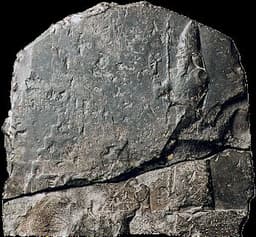
Nebuchadnezzar II
Emperor · Ancient
64.0Total

Sargon II
Emperor · Ancient
53.0Total
Basic Information
Born
-634
-722
Died
-562
-705
Era
Ancient
Ancient
Nationality
Babylon
Assyria
Occupation
Emperor
Emperor
Civilization
Middle Eastern
Middle Eastern
Score Comparison
Military (10%)
78.0
85.0
Political (20%)
72.0
45.0
Influence (20%)
68.0
54.1
Legacy (20%)
40.0
45.8
Leadership (15%)
78.0
40.0
Strategy (15%)
67.2
68.1
TOTAL
64.0
53.0
Nebuchadnezzar II — Complete Timeline
597 BC
Conquest of JudahWar◆ Major
Nebuchadnezzar II first captured Jerusalem in 597 BCE, deposing King Jehoiachin and installing Zedekiah as a vassal. This initial conquest began the Babylonian domination of Judah.
ConquestJudahBabylon
Impact: regional
587 BC
Destruction of the First TempleWar
Nebuchadnezzar II's Babylonian army besieged Jerusalem, destroyed Solomon's Temple, and deported many Jews to Babylon. This event, known as the Babylonian Captivity, reshaped Jewish religious and national identity.
SiegeJerusalemJewish History
Impact: globaldestructive
580 BC
Construction of the Hanging GardensCultural◆ Major
Nebuchadnezzar II is traditionally credited with building the Hanging Gardens of Babylon, one of the Seven Wonders of the Ancient World. The gardens were a terraced structure with exotic plants, though their existence is debated.
ArchitectureWonderBabylon
Impact: globalconstructive
575 BC
Construction of the Ishtar GateCultural◆ Major
Nebuchadnezzar II built the Ishtar Gate, a monumental entrance to Babylon decorated with glazed bricks depicting lions and dragons. The gate symbolized Babylonian power and was part of his extensive building program.
ArchitectureGateBabylon
Impact: regionalconstructive
Sargon II — Complete Timeline
722 BC
Conquest of the Kingdom of IsraelWar
Sargon II completed the conquest of the Kingdom of Israel, capturing its capital Samaria after a three-year siege. He deported over 27,000 Israelites to Assyria and other parts of the empire, ending the northern kingdom's existence.
Military CampaignIsraelDeportation
Impact: regionaldestructive
717 BC
Construction of Dur-SharrukinCultural◆ Major
Sargon II founded a new capital city named Dur-Sharrukin (Fort of Sargon) near modern Khorsabad. The city was built on a grand scale with palaces, temples, and fortifications, but was abandoned after his death.
Urban PlanningCapital CityAssyrian Empire
Impact: regionalconstructive
714 BC
Campaign against UrartuWar◆ Major
Sargon II led a major campaign against Urartu, defeating King Rusa I and sacking the temple of Haldi at Musasir. This victory weakened Urartu and secured Assyrian control over the northern frontier.
Military CampaignUrartuSack
Impact: regional
705 BC
Death in BattleWar◆ Major
Sargon II was killed in battle against the Cimmerians in Anatolia. His body was not recovered, which was considered a great dishonor in Assyrian culture. His death led to the abandonment of Dur-Sharrukin and a succession crisis.
Death in BattleCimmeriansSuccession Crisis
Impact: nationaltragic
Expert Analysis
Origins
Nebuchadnezzar II (c. 642–562 BCE) was the eldest son of Nabopolassar, founder of the Neo-Babylonian Empire. Born into a Chaldean dynasty that had just overthrown Assyrian rule, he was groomed for military command from youth. His early campaigns as crown prince alongside his father against the remnants of Assyria and Egypt shaped his aggressive expansionism.
Sargon II (r. 722–705 BCE) was likely a son of Tiglath-Pileser III, though his exact origins are debated. He seized the Assyrian throne during a period of civil war and rebellion, claiming descent from the ancient Sargon of Akkad to legitimize his rule. His name means "the king is legitimate." He had to suppress revolts in Babylon and Syria early in his reign.
Rise to Power
Nebuchadnezzar II rose to power as a military commander under his father. In 605 BCE, he defeated the Egyptian army at Carchemish, securing Babylonian control over Syria and Palestine. This victory made him the leading general of the empire. When Nabopolassar died later that year, Nebuchadnezzar quickly returned to Babylon and assumed the throne without opposition.
Sargon II came to power in 722 BCE after Shalmaneser V was deposed. He faced immediate challenges: a rebellion in Samaria that he crushed, deporting over 27,000 Israelites (2 Kings 17:6). He also suppressed a revolt in Babylon led by Marduk-apla-iddina II (Merodach-Baladan), forcing him into exile. These victories solidified his authority.
Leadership & Governance
Nebuchadnezzar II ruled for 43 years, focusing on monumental building projects that showcased Babylonian power. He rebuilt Babylon's walls, constructed the Ishtar Gate with glazed blue bricks, and is traditionally credited with the Hanging Gardens, one of the Seven Wonders. He also implemented a policy of deporting conquered elites to prevent rebellion, most notably the Jewish captivity in Babylon. His governance was centralized, with a strong emphasis on religious legitimacy through the god Marduk.
Sargon II, ruling for 17 years, was a more militaristic leader. He conquered the Kingdom of Israel, defeated the Urartian king Rusa I, and campaigned against the Medes and Cimmerians. He founded a new capital, Dur-Sharrukin (Fort of Sargon), a planned city with a massive palace and temples. However, his administrative style was less stable; he faced repeated rebellions in Babylon and had to rely on his military prowess to hold the empire together. His political score of 45.0 reflects these challenges, compared to Nebuchadnezzar's 72.0.
Triumph & Tragedy
Nebuchadnezzar's greatest success was the destruction of Jerusalem and the First Temple in 587/586 BCE, ending the Kingdom of Judah and deporting its elite. This event reshaped Jewish history and cemented Babylon's dominance. His building projects, especially the Ishtar Gate and Hanging Gardens, created a lasting legacy of architectural grandeur. However, his failure was the inability to hold Egypt; a campaign in 568 BCE was inconclusive. His later years saw a decline in expansion, and his empire began to weaken after his death.
Sargon II's greatest triumph was the conquest of Israel, which eliminated a buffer state and secured Assyrian control over the Levant. His victory over Urartu in 714 BCE was a strategic masterpiece, weakening a major rival and securing the northern frontier. His tragedy was his death in battle against the Cimmerians in 705 BCE, with his body lost—a profound dishonor that led to a crisis of succession. His military score of 85.0 is higher than Nebuchadnezzar's 78.0, but his leadership score of 40.0 reflects the instability of his reign.
Character & Destiny
Nebuchadnezzar is depicted in the Bible as a proud king who was humbled by God (Daniel 4), but historical records show a shrewd ruler who used religion and architecture to legitimize his power. He was methodical and patient, preferring sieges and deportations to risky field battles. His destiny was to build an empire that briefly rivaled Assyria, but his death led to a rapid decline under weaker successors.
Sargon II was ambitious and aggressive, always campaigning to expand Assyria's borders. His seizure of power and constant need to prove legitimacy drove him to seek military glory. His death on the battlefield was a tragic end for a king who sought to emulate the ancient Sargon; the loss of his body was seen as divine punishment. His character was more impulsive, leading to overextension.
Legacy
Nebuchadnezzar II scored 40.0 in legacy, while Sargon II scored 45.8. Despite this, Nebuchadnezzar's impact on Western civilization is profound: the Babylonian captivity shaped Jewish identity and literature, influencing Christianity and Islam. The Hanging Gardens became a symbol of ancient wonder. Ishtar Gate remains an iconic artifact. Sargon II's legacy is more limited to Assyriology: his capital Dur-Sharrukin provides crucial archaeological data, and his deportation of Israelites contributed to the Ten Lost Tribes tradition. However, his empire collapsed soon after his death, while Nebuchadnezzar's Babylon endured for decades.
Conclusion
Nebuchadnezzar II had greater overall impact. Despite Sargon II's higher military score (85.0 vs 78.0), Nebuchadnezzar's superior political (72.0 vs 45.0) and leadership (78.0 vs 40.0) scores, along with his monumental constructions and religious significance, give him a higher total score (64.0 vs 53.0). The destruction of Jerusalem and the Babylonian exile reshaped history in ways that Sargon's conquest of Israel did not. While Sargon was a more effective conqueror, Nebuchadnezzar's achievements in state-building and culture left a more enduring mark.
Rankings
🥇
Nebuchadnezzar IILeader
Mil: 78.0Pol: 72.0Inf: 68.0
64.0
🥈
Sargon II
Mil: 85.0Pol: 45.0Inf: 54.1
53.0
+11.0 behind
How This Comparison Works
Algorithm
Each figure is scored on 6 dimensions (0—100 scale) based on structured historical data: Military (10%), Political (20%), Influence (20%), Legacy (20%), Leadership (15%), Strategy (15%). The weighted total produces the final ranking.
Data Sources
Scores are computed from structured sub-indicators in the database. Scale factors adjust for era (Ancient ×0.85, Modern ×1.0) and civilization size (Eastern ×1.05, Other ×0.80) to account for differences in population and military scale.
Maximum 3 Figures
Comparisons are limited to 2—3 figures to ensure readability and statistical meaningfulness.
Error Margins
±5 points per dimension — Sub-scores are derived from historical records with inherent uncertainty. Two figures within 5 points on a dimension should be considered roughly equivalent in that area.
Total Score Accuracy
±3 points overall — The weighted combination of 6 dimensions produces a total score with approximately ±3 points of uncertainty. Differences of less than 3 points are not statistically significant— the figures are effectively tied.
Known Limitations
- Historical records are incomplete and uneven across civilizations
- Figures from oral-tradition societies may be underrepresented
- Occupation labels can misclassify multi-role figures
- Scores measure capability and impact, not moral character
- Quantitative scoring is a comparison tool, not absolute truth
Capability Radar
Military (10%) — Battles & Warfare
Battles
85
75
Win Rate
80
80
Expansion
85
80
Political (20%) — Governance & Reform
Reform
70
70
Diplomacy
75
65
Economy
80
60
Influence (20%) — Cultural & Global Reach
Cultural
85
50
Global
80
45
Legacy (20%) — Historical Impact
Historical
90
55
Longevity
85
40
Leadership (15%) — Power & Stability
Tenure
80
60
Stability
70
55
Strategy (15%) — Tactics & Innovation
Strategy
85
75
Tactics
75
70
Reform
60
65
Similar Comparisons
Comments & Discussion
No comments yet. Be the first to share your thoughts!