Loading...
Djet vs Emperor Jimmu
Emperor Jimmu leads by 11.1 pts · 2 figures compared
…
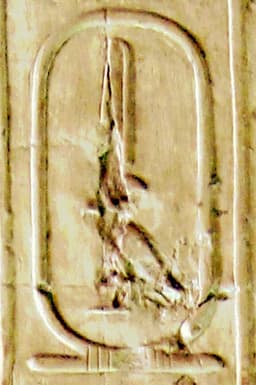
Djet
Emperor · Ancient
34.6Total
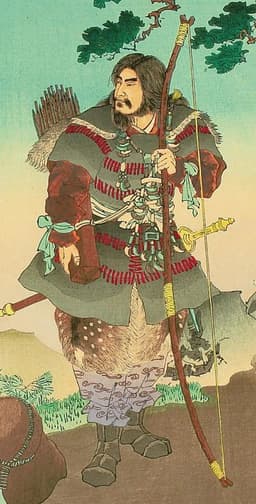
Emperor Jimmu
Emperor · Ancient
45.7Total
Basic Information
Born
-3000
-711
Died
-2980
-585
Era
Ancient
Ancient
Nationality
Early Egypt
Japan
Occupation
Emperor
Emperor
Civilization
Middle Eastern
Eastern
Score Comparison
Military (10%)
10.2
50.0
Political (20%)
32.1
27.9
Influence (20%)
44.0
54.9
Legacy (20%)
34.2
48.3
Leadership (15%)
31.2
45.0
Strategy (15%)
45.0
39.6
TOTAL
34.6
45.7
Djet — Complete Timeline
3000 BC
Reigned as Serpent KingPolitical Action
Djet ruled for about 10-20 years, known from his serpent hieroglyph. His reign saw continued consolidation of the First Dynasty, though fewer records survive compared to his predecessors.
ReignSerpentFirst Dynasty
Impact: regional
Married MerneithPolitical Action◆ Major
Djet married Merneith, who later became regent for their son Den. This marriage linked the royal line and ensured dynastic continuity, with Merneith playing a key role in the succession.
MarriageDynastyMerneith
Impact: national
Built Tomb at AbydosCultural
Djet constructed a tomb at Abydos, featuring a large rectangular superstructure and subsidiary burials. The tomb contained a stela with his serpent name, one of the earliest examples of royal iconography.
TombAbydosStela
Emperor Jimmu — Complete Timeline
660 BC
The Eastern Expedition (Tōsei)War◆ Major
Jimmu led the Eastern Expedition from Hyuga (southern Kyushu) eastward, conquering territories through battles such as the Battle of Usa and the Battle of Takachiho. This campaign is described in the Nihon Shoki and Kojiki as the founding military conquest of Japan.
Military CampaignConquestMythology
Impact: national
Legendary founding of the Japanese imperial dynastyPolitical Action◆ Major
According to Japanese mythology, Emperor Jimmu became the first emperor of Japan in 660 BC after leading a military campaign from Kyushu to Yamato. He is said to have established the imperial dynasty at Kashihara, unifying the warring clans under his rule.
FoundingImperial DynastyMythology
Impact: national
Enthronement at KashiharaPolitical Action◆ Major
After his conquest, Jimmu was enthroned as emperor at the Kashihara Palace in Yamato (present-day Nara Prefecture) on the first day of the first month of 660 BC. This event is considered the traditional founding date of the Japanese imperial line.
EnthronementImperial LineMythology
Impact: national
Establishment of the Three Sacred TreasuresPolitical Action◆ Major
According to legend, Jimmu received the Three Sacred Treasures (the sword Kusanagi, the mirror Yata no Kagami, and the jewel Yasakani no Magatama) from the gods, which became the imperial regalia symbolizing the emperor's divine right to rule Japan.
Imperial RegaliaMythologySymbolism
Impact: national
585 BC
Death and deificationOther◆ Major
Emperor Jimmu died in 585 BC at the age of 126 according to traditional accounts. He was later deified as a kami (spirit) in Shinto, and his tomb is traditionally located in the Unebiyama area of Nara Prefecture. His legacy as the founder of Japan's imperial line continues to be celebrated.
DeathDeificationImperial Legacy
Impact: national
Expert Analysis
Origins
Djet, also known as Wadji ("Serpent"), was a pharaoh of Egypt's First Dynasty, reigning around 2980-2950 BCE. He was the son of King Djer and likely Queen Herneith. Little is known of his early life, but he married Merneith, a powerful queen who later served as regent for their son Den. Djet's name appears on artifacts from Abydos and Saqqara. In contrast, Emperor Jimmu is a legendary figure in Japanese mythology, said to have been born on February 13, 711 BCE, according to the Nihon Shoki. He was a descendant of the sun goddess Amaterasu through his father, Ugayafukiaezu, and his mother, Tamayori-hime. Jimmu's early life is steeped in myth, with accounts of him leaving Hyuga (southern Kyushu) on a military expedition to conquer Yamato.
Rise to Power
Djet ascended the throne after his father Djer's death, inheriting a centralized state. His reign was relatively stable, but the most notable event was his marriage to Merneith, who likely held significant power. Djet's rule is attested by seal impressions and his tomb stela, but he did not expand Egypt's borders significantly. Jimmu's rise is more dramatic: according to legend, he led the Eastern Expedition (Tōsei) from Kyushu to Yamato, conquering territories through battles like the Battle of Usa and the Battle of Tomi. He defeated local chieftains such as Nagasunehiko and established his capital at Kashihara in Yamato. His enthronement in 660 BCE marks the traditional founding of Japan.
Leadership & Governance
Djet's leadership was typical of early Egyptian pharaohs: he focused on consolidating royal power and religious authority. The serpent hieroglyph representing his name symbolized protection and royalty. He oversaw the construction of his tomb at Abydos, which included subsidiary burials of retainers, reflecting a belief in an afterlife. His reign saw no major reforms, and his political score of 32.1 reflects limited impact. Jimmu, by contrast, is credited with establishing the imperial dynasty and introducing centralized governance. He is said to have implemented a system of local rulers and promoted agriculture. Jimmu's leadership score of 45.0 indicates a more proactive role, though much is mythical.
Triumph & Tragedy
Djet's greatest success was ensuring dynastic continuity through his son Den, who became a powerful pharaoh. However, his reign lacked major achievements; his military score of 10.2 suggests no significant campaigns. His tomb at Abydos, with its imposing stela, remains a key archaeological source. Jimmu's triumph is the legendary founding of Japan's imperial line, which endures to this day. His military score of 50.0 reflects his conquests. However, his tragedy lies in the lack of historical evidence; his story is largely mythological, and his reign is not corroborated by contemporary records. Jimmu's legacy score of 48.3 is high due to cultural impact, but his actual governance is uncertain.
Character & Destiny
Djet is a shadowy figure; his name and tomb suggest a ruler who valued tradition and stability. His marriage to Merneith indicates strategic thinking, as she ensured the succession. His destiny was to be a link in the First Dynasty chain, but not a standout. Jimmu, as a legendary figure, embodies the virtues of a warrior-king: courage, ambition, and divine favor. His character, as described in myth, is decisive and pious. His destiny was to become a kami, deified in Shinto. The contrast is between a historical ruler whose impact was modest and a mythical one whose influence shaped national identity.
Legacy
Djet's legacy is primarily archaeological: his tomb and stela provide insights into early Egyptian burial practices. He is one of the lesser-known pharaohs, with a legacy score of 34.2. The First Dynasty continued through his son Den. Jimmu's legacy is immense: he is revered as the first emperor, and the imperial line claims unbroken descent from him. His enthronement date (February 11) is a national holiday in Japan. Jimmu's legacy score of 48.3 reflects his central role in Japanese culture and mythology, far outweighing Djet's historical footprint.
Conclusion
While Djet was a real historical figure and Jimmu is largely legendary, the comparison of total scores (Jimmu 45.7 vs Djet 34.6) reflects the greater impact of Jimmu's legacy on national identity and culture. Jimmu's narrative provided a foundation for Japanese imperialism and nationalism, whereas Djet's reign had limited influence beyond his dynasty. Therefore, Emperor Jimmu had a greater impact, despite the mythical nature of his story.
Rankings
🥇
Emperor JimmuLeader
Mil: 50.0Pol: 27.9Inf: 54.9
45.7
🥈
Djet
Mil: 10.2Pol: 32.1Inf: 44.0
34.6
+11.1 behind
How This Comparison Works
Algorithm
Each figure is scored on 6 dimensions (0—100 scale) based on structured historical data: Military (10%), Political (20%), Influence (20%), Legacy (20%), Leadership (15%), Strategy (15%). The weighted total produces the final ranking.
Data Sources
Scores are computed from structured sub-indicators in the database. Scale factors adjust for era (Ancient ×0.85, Modern ×1.0) and civilization size (Eastern ×1.05, Other ×0.80) to account for differences in population and military scale.
Maximum 3 Figures
Comparisons are limited to 2—3 figures to ensure readability and statistical meaningfulness.
Error Margins
±5 points per dimension — Sub-scores are derived from historical records with inherent uncertainty. Two figures within 5 points on a dimension should be considered roughly equivalent in that area.
Total Score Accuracy
±3 points overall — The weighted combination of 6 dimensions produces a total score with approximately ±3 points of uncertainty. Differences of less than 3 points are not statistically significant— the figures are effectively tied.
Known Limitations
- Historical records are incomplete and uneven across civilizations
- Figures from oral-tradition societies may be underrepresented
- Occupation labels can misclassify multi-role figures
- Scores measure capability and impact, not moral character
- Quantitative scoring is a comparison tool, not absolute truth
Capability Radar
Military (10%) — Battles & Warfare
Battles
5
10
Win Rate
5
10
Expansion
5
15
Political (20%) — Governance & Reform
Reform
10
15
Diplomacy
10
10
Economy
10
10
Influence (20%) — Cultural & Global Reach
Cultural
15
40
Global
5
30
Legacy (20%) — Historical Impact
Historical
15
40
Longevity
10
50
Leadership (15%) — Power & Stability
Tenure
20
20
Stability
15
15
Strategy (15%) — Tactics & Innovation
Strategy
5
10
Tactics
5
10
Reform
5
5
Similar Comparisons
Comments & Discussion
No comments yet. Be the first to share your thoughts!