Loading...
Axayacatl vs Raja Raja Chola I
Raja Raja Chola I leads by 13.3 pts · 2 figures compared
…
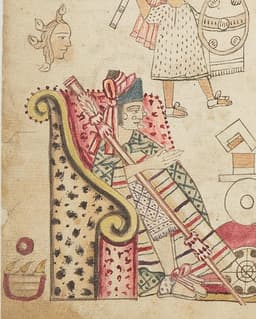
Axayacatl
Emperor · Medieval
56.7Total
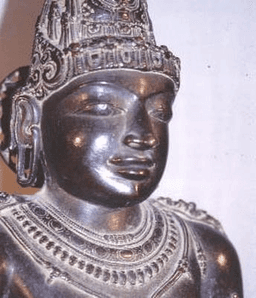
Raja Raja Chola I
Emperor · Medieval
70.0Total
Basic Information
Born
1449
947
Died
1481
1014
Era
Medieval
Medieval
Nationality
Aztec Empire
India
Occupation
Emperor
Emperor
Civilization
Western
Indian
Score Comparison
Military (10%)
70.0
82.0
Political (20%)
54.7
72.0
Influence (20%)
56.4
65.0
Legacy (20%)
47.5
65.0
Leadership (15%)
65.0
78.0
Strategy (15%)
57.5
68.0
TOTAL
56.7
70.0
Axayacatl — Complete Timeline
1469 AD
Coronation as Tlatoani of TenochtitlanPolitical Action◆ Major
Axayacatl succeeded his grandfather Moctezuma I as the sixth tlatoani of Tenochtitlan. His coronation campaign against the Matlatzinca was successful, capturing many prisoners for sacrifice and establishing his military credentials.
Impact: national
1473 AD
Conquest of TlatelolcoWar◆ Major
Axayacatl led Tenochtitlan forces against the neighboring city-state of Tlatelolco, which had rebelled against Aztec dominance. The war ended with the defeat of Tlatelolco and the death of its tlatoani Moquihuix, incorporating Tlatelolco into Tenochtitlan.
Impact: regionaldestructive
1478 AD
Campaign against the Tarascan EmpireWar◆ Major
Axayacatl led a large Aztec army into the Tarascan Empire (Pur
Impact: regionaldestructive
1481 AD
Construction of the Great Temple of TenochtitlanCultural◆ Major
Axayacatl oversaw the expansion of the Templo Mayor in Tenochtitlan, dedicating a new phase of construction. The temple was the religious center of the Aztec Empire, and this expansion included new sculptures and offerings.
Impact: nationalconstructive
Death of AxayacatlOther
Axayacatl died after a short illness, possibly from a disease or complications from wounds. His death led to the succession of his brother Tizoc, whose weak reign contrasted with Axayacatl's earlier successes.
Impact: national
Raja Raja Chola I — Complete Timeline
985 AD
Accession to the Chola ThronePolitical Action
Raja Raja Chola I ascended the throne of the Chola Empire, succeeding his father Parantaka II. He inherited a kingdom in the Tamil region and began a series of military campaigns that would transform the Chola state into a major power.
Chola EmpireSuccessionExpansion
Impact: regional
990 AD
Conquest of the Chera KingdomWar◆ Major
Raja Raja Chola I defeated the Chera king Bhaskara Ravi Varman and annexed the Chera territories in present-day Kerala. This conquest gave the Cholas control over the Malabar Coast and its spice trade.
CheraKeralaSpice Trade
Impact: regional
1000 AD
Administrative Reforms and Land SurveyReform◆ Major
Raja Raja Chola I conducted a comprehensive land survey and reorganized the revenue system. He standardized tax collection and recorded land holdings in inscriptions, which improved administrative efficiency and funded his military and building projects.
Land SurveyRevenue SystemAdministration
Impact: regionalconstructive
1005 AD
Naval Campaign against the Srivijaya EmpireWar◆ Major
Raja Raja Chola I launched a naval expedition against the Srivijaya Empire in Southeast Asia, targeting the Strait of Malacca. The campaign disrupted Srivijaya's trade monopoly and established Chola influence in the region, though full conquest was not achieved.
SrivijayaNaval ExpeditionSoutheast Asia
Impact: regional
1010 AD
Construction of the Brihadeeswarar TempleCultural◆ Major
Raja Raja Chola I commissioned the construction of the Brihadeeswarar Temple in Thanjavur, dedicated to Shiva. The temple, built with granite, features a 66-meter vimana and is a masterpiece of Dravidian architecture, later designated a UNESCO World Heritage site.
Brihadeeswarar TempleThanjavurDravidian Architecture
Impact: regionalconstructive
Expert Analysis
Origins
Axayacatl (c. 1449–1481) was born into the ruling dynasty of Tenochtitlan, the dominant city-state of the Aztec Empire. He was the grandson of Moctezuma I and the son of the previous tlatoani, though his father died young. Axayacatl received a traditional education in warfare, religion, and governance, preparing him for leadership. His early life was shaped by the militaristic and expansionist ethos of the Aztecs, who believed in constant warfare to acquire tribute and sacrificial victims.
Raja Raja Chola I (c. 947–1014) was born into the Chola dynasty, which ruled over parts of Tamil Nadu. He was the son of Parantaka II, a king who had lost territory to the Rashtrakutas. Raja Raja's early life was spent in the shadow of Chola decline, but he was trained in statecraft and military command. His upbringing emphasized Tamil culture, Shaivism, and the restoration of Chola glory. Unlike Axayacatl, who inherited a stable empire, Raja Raja inherited a fragmented kingdom.
Rise to Power
Axayacatl became tlatoani in 1469 at age 20, succeeding his grandfather. His coronation campaign targeted the Matlatzinca people, securing tribute and demonstrating his military capability. His major achievement was the conquest of Tlatelolco in 1473, a neighboring city-state that had rebelled. This victory eliminated a rival and solidified Tenochtitlan's dominance in the Valley of Mexico. However, his campaign against the Tarascan Empire in 1479 ended in disaster at the Battle of Tzintzuntzan, where the Aztecs suffered heavy losses. This defeat checked Aztec expansion westward.
Raja Raja Chola I ascended the throne in 985, inheriting a kingdom reduced in size. He immediately launched campaigns to recover lost territories. His first major conquest was the Chera Kingdom in present-day Kerala around 988, annexing it completely. He then moved against the Pandya kingdom and the Gangas. His most ambitious campaign was a naval expedition against the Srivijaya Empire in Southeast Asia around 1025, targeting the Strait of Malacca. This demonstrated Chola naval power and disrupted trade routes. By his death, Raja Raja had expanded Chola influence from Sri Lanka to the Malay Archipelago.
Leadership & Governance
Axayacatl ruled as an absolute monarch typical of Aztec tlatoanis. He led military campaigns personally and relied on a council of nobles. His governance focused on tribute extraction and religious ceremonies. He oversaw the expansion of the Templo Mayor, dedicating a new phase in 1478. However, his administrative reforms were limited; the Aztec system remained decentralized, relying on local rulers who paid tribute. Axayacatl's military score of 70.0 reflects his conquests, but his political score of 54.7 indicates weaker institutional governance.
Raja Raja Chola I was a reformer. He conducted a comprehensive land survey (known as the 'Kudavolai' system) and reorganized the revenue system, standardizing tax collection. He recorded land holdings in inscriptions, which survive today. He established a centralized bureaucracy and promoted local self-government through village assemblies. His political score of 72.0 reflects these innovations. His leadership score of 78.0 shows his ability to inspire loyalty and execute grand projects like the Brihadeeswarar Temple, built between 1003 and 1010.
Triumph & Tragedy
Axayacatl's greatest success was the conquest of Tlatelolco, which eliminated a rival and brought economic benefits. He also expanded the Templo Mayor, symbolizing Aztec religious power. His greatest failure was the defeat by the Tarascans, which cost thousands of lives and ended Aztec expansion westward. This defeat weakened his reputation and may have contributed to his early death at age 32. His legacy score of 47.5 reflects limited long-term impact.
Raja Raja Chola I's triumphs include the conquest of the Chera kingdom, the naval campaign against Srivijaya, and the construction of the Brihadeeswarar Temple, a masterpiece of Dravidian architecture. His administrative reforms created a stable tax system that lasted for centuries. His failure was perhaps the overextension of naval power; the Srivijaya campaign did not result in permanent territorial gains. However, his overall success is reflected in his total score of 70.0, far above Axayacatl's 56.7.
Character & Destiny
Axayacatl was aggressive and ambitious, as shown by his early conquest of Tlatelolco. His decision to attack the Tarascans, despite their military strength, suggests overconfidence. He died young, possibly from disease or wounds, leaving a mixed legacy. His brother Tizoc succeeded him but was assassinated, leading to instability. Axayacatl's character was typical of Aztec rulers: warlike but prone to hubris.
Raja Raja Chola I was methodical and visionary. He carefully planned his campaigns and reforms, as seen in the land survey. His patronage of the arts and religion built loyalty and cultural legacy. He was also pragmatic, forming alliances when needed. His death at around 67 allowed him to consolidate his achievements. His son Rajendra Chola I continued his expansion, indicating a stable succession. Raja Raja's character combined military prowess with administrative genius.
Legacy
Axayacatl is remembered primarily as the father of Moctezuma II and the conqueror of Tlatelolco. His construction of the Templo Mayor contributed to Tenochtitlan's grandeur, but most of his achievements were overshadowed by later Aztec rulers and the Spanish conquest. His influence score of 56.4 reflects his role in Aztec history but limited global impact.
Raja Raja Chola I left a lasting legacy. The Brihadeeswarar Temple is a UNESCO World Heritage site and a symbol of Chola power. His administrative reforms influenced later Indian empires. The Chola navy's reach into Southeast Asia established trade and cultural links. His legacy score of 65.0 and influence score of 65.0 reflect his enduring impact. He is considered one of India's greatest emperors.
Conclusion
Raja Raja Chola I had a greater impact than Axayacatl. His total score of 70.0 compared to 56.7 reflects superior military, political, and leadership achievements. Axayacatl's conquests were regional and temporary, while Raja Raja built a durable empire with lasting administrative and cultural contributions. The Chola Empire under Raja Raja set standards for governance and architecture that influenced South Asia for centuries. Axayacatl, while significant in Aztec history, did not achieve comparable scale or endurance. Thus, Raja Raja Chola I stands as the more consequential ruler.
Rankings
🥇
Raja Raja Chola ILeader
Mil: 82.0Pol: 72.0Inf: 65.0
70.0
🥈
Axayacatl
Mil: 70.0Pol: 54.7Inf: 56.4
56.7
+13.3 behind
How This Comparison Works
Algorithm
Each figure is scored on 6 dimensions (0—100 scale) based on structured historical data: Military (10%), Political (20%), Influence (20%), Legacy (20%), Leadership (15%), Strategy (15%). The weighted total produces the final ranking.
Data Sources
Scores are computed from structured sub-indicators in the database. Scale factors adjust for era (Ancient ×0.85, Modern ×1.0) and civilization size (Eastern ×1.05, Other ×0.80) to account for differences in population and military scale.
Maximum 3 Figures
Comparisons are limited to 2—3 figures to ensure readability and statistical meaningfulness.
Error Margins
±5 points per dimension — Sub-scores are derived from historical records with inherent uncertainty. Two figures within 5 points on a dimension should be considered roughly equivalent in that area.
Total Score Accuracy
±3 points overall — The weighted combination of 6 dimensions produces a total score with approximately ±3 points of uncertainty. Differences of less than 3 points are not statistically significant— the figures are effectively tied.
Known Limitations
- Historical records are incomplete and uneven across civilizations
- Figures from oral-tradition societies may be underrepresented
- Occupation labels can misclassify multi-role figures
- Scores measure capability and impact, not moral character
- Quantitative scoring is a comparison tool, not absolute truth
Capability Radar
Military (10%) — Battles & Warfare
Battles
55
85
Win Rate
60
90
Expansion
60
85
Political (20%) — Governance & Reform
Reform
45
80
Diplomacy
50
75
Economy
45
85
Influence (20%) — Cultural & Global Reach
Cultural
40
85
Global
30
70
Legacy (20%) — Historical Impact
Historical
45
80
Longevity
40
85
Leadership (15%) — Power & Stability
Tenure
50
85
Stability
50
80
Strategy (15%) — Tactics & Innovation
Strategy
55
85
Tactics
50
80
Reform
40
75
Similar Comparisons
Comments & Discussion
No comments yet. Be the first to share your thoughts!