Loading...
Axayacatl vs Hongwu Emperor
Hongwu Emperor leads by 15.3 pts · 2 figures compared
…
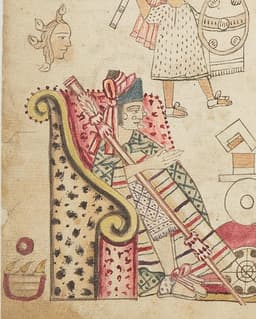
Axayacatl
Emperor · Medieval
56.7Total
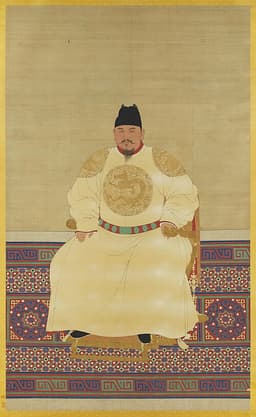
Hongwu Emperor
Emperor · Medieval
72.0Total
Basic Information
Born
1449
1328
Died
1481
1398
Era
Medieval
Medieval
Nationality
Aztec Empire
China
Occupation
Emperor
Emperor
Civilization
Western
Eastern
Score Comparison
Military (10%)
70.0
85.0
Political (20%)
54.7
78.0
Influence (20%)
56.4
68.0
Legacy (20%)
47.5
65.0
Leadership (15%)
65.0
78.0
Strategy (15%)
57.5
68.0
TOTAL
56.7
72.0
Axayacatl — Complete Timeline
1469 AD
Coronation as Tlatoani of TenochtitlanPolitical Action◆ Major
Axayacatl succeeded his grandfather Moctezuma I as the sixth tlatoani of Tenochtitlan. His coronation campaign against the Matlatzinca was successful, capturing many prisoners for sacrifice and establishing his military credentials.
Impact: national
1473 AD
Conquest of TlatelolcoWar◆ Major
Axayacatl led Tenochtitlan forces against the neighboring city-state of Tlatelolco, which had rebelled against Aztec dominance. The war ended with the defeat of Tlatelolco and the death of its tlatoani Moquihuix, incorporating Tlatelolco into Tenochtitlan.
Impact: regionaldestructive
1478 AD
Campaign against the Tarascan EmpireWar◆ Major
Axayacatl led a large Aztec army into the Tarascan Empire (Pur
Impact: regionaldestructive
1481 AD
Construction of the Great Temple of TenochtitlanCultural◆ Major
Axayacatl oversaw the expansion of the Templo Mayor in Tenochtitlan, dedicating a new phase of construction. The temple was the religious center of the Aztec Empire, and this expansion included new sculptures and offerings.
Impact: nationalconstructive
Death of AxayacatlOther
Axayacatl died after a short illness, possibly from a disease or complications from wounds. His death led to the succession of his brother Tizoc, whose weak reign contrasted with Axayacatl's earlier successes.
Impact: national
Hongwu Emperor — Complete Timeline
1368 AD
Capture of Dadu (Beijing)War◆ Major
Ming forces under Xu Da captured the Yuan capital of Dadu (modern Beijing). The last Yuan emperor fled to the steppes. This conquest ended Mongol rule in China proper and solidified Ming control over the northern heartland.
Yuan Dynasty FallBeijingMilitary Campaign
Impact: national
Agrarian Reforms and Land RedistributionReform◆ Major
Hongwu implemented land surveys and redistributed land from large estates to peasant farmers. He reduced taxes, promoted irrigation projects, and encouraged cultivation of wasteland. These policies revived agriculture after decades of war and famine.
Land ReformAgriculturePeasant Welfare
Impact: nationalprogressive
Founding of the Ming DynastyPolitical Action
Zhu Yuanzhang proclaimed himself the Hongwu Emperor in Nanjing, founding the Ming dynasty. He led rebel forces to expel the Mongol Yuan dynasty from China, restoring Han Chinese rule after nearly a century of foreign domination.
Dynasty FoundingHan RestorationMing Dynasty
Impact: globalconstructive
1380 AD
Execution of Hu Weiyong and Purge of OfficialsPolitical Action◆ Major
Hongwu accused Chancellor Hu Weiyong of treason and had him executed. This triggered a massive purge that killed tens of thousands of officials and their families. The emperor then abolished the position of chancellor, centralizing all power in his own hands.
PurgeCentralizationPolitical Violence
Impact: nationaldestructive
1382 AD
Establishment of the Jinyiwei (Imperial Guard)Political Action◆ Major
Hongwu created the Jinyiwei, a secret police force under his direct control. They spied on officials, investigated corruption, and suppressed dissent. This institution became a tool of political repression, executing thousands during purges.
Secret PoliceRepressionPolitical Control
Impact: nationaldestructive
Expert Analysis
Origins
**Axayacatl** (c. 1449–1481) was born into the royal lineage of Tenochtitlan, the dominant city-state of the Aztec Triple Alliance. His grandfather, Moctezuma I, had expanded the empire significantly. Axayacatl received military training from a young age, typical for Aztec nobility, and was groomed for leadership. Little is known of his education, but he was steeped in the religious and martial traditions of the Mexica.
**Hongwu Emperor** (1328–1398), born Zhu Yuanzhang, came from the humblest origins. He was a peasant in what is now Anhui province during the Mongol Yuan dynasty. His family died in a famine when he was 16, forcing him into a Buddhist monastery as a mendicant monk. He later joined the Red Turban Rebellion, a millenarian sect that opposed Mongol rule. His early life was marked by survival and exposure to grassroots rebellion.
Rise to Power
Axayacatl became tlatoani (emperor) of Tenochtitlan in 1469 after the death of his grandfather Moctezuma I. His coronation campaign targeted the Matlatzinca, a people in the Toluca Valley, to secure captives for sacrifice and tribute. In 1473, he faced a major rebellion from Tlatelolco, a sister city within Tenochtitlan's sphere. Axayacatl crushed the rebellion, killed the Tlatelolco ruler, and incorporated the city fully into Tenochtitlan. This conquest scored him a military 70.0 but his political score remained lower at 54.7 due to internal dissent.
Hongwu rose through the ranks of the Red Turbans, marrying the daughter of a rebel leader. By 1356, he controlled Nanjing. He defeated rival rebel factions, including the warlord Chen Youliang at the Battle of Lake Poyang in 1363, a massive naval engagement. In 1368, he proclaimed the Ming dynasty and sent armies north to capture the Yuan capital Dadu (Beijing). His military score of 85.0 reflects these victories. His political score of 78.0 shows his skill in consolidating power and eliminating rivals.
Leadership & Governance
Axayacatl ruled as a warrior-king, leading campaigns personally. He expanded the Templo Mayor, the central religious structure, reinforcing the Aztec ideology of sacrifice. His governance was typical of Aztec tlatoanis: tribute extraction, military expansion, and religious ceremonies. However, his campaign against the Tarascan Empire (Purépecha) in 1478–1479 ended in disaster. At the Battle of Tzintzuntzan, his army was routed, and he barely escaped. This failure exposed the limits of Aztec military power.
Hongwu implemented sweeping reforms. He redistributed land from large estates to peasants, lowering taxes and promoting irrigation. He established the Jinyiwei, a secret police force, to root out corruption and dissent. He also purged officials massively: the Hu Weiyong case in 1380 led to the execution of tens of thousands. His leadership was autocratic but effective in restoring Chinese rule after Yuan collapse. His leadership score of 78.0 reflects his firm control, but his strategy score of 68.0 is moderate due to the purges' destabilizing effects.
Triumph & Tragedy
Axayacatl's greatest triumph was the conquest of Tlatelolco, which solidified Tenochtitlan's dominance in the Valley of Mexico. His greatest tragedy was the defeat by the Tarascans, which halted Aztec expansion westward and weakened his reputation. He died young, possibly from disease or wounds, leaving a vulnerable empire to his brother Tizoc, who failed militarily.
Hongwu's triumph was founding the Ming dynasty and reunifying China after a century of Mongol rule. He restored Han Chinese culture, rebuilt infrastructure, and promoted agriculture. His tragedy was the bloody purges that killed many capable officials and created a climate of fear. His paranoia increased after the Hu Weiyong affair, harming long-term governance.
Character & Destiny
Axayacatl was ambitious and aggressive, but his defeat by the Tarascans suggests overreach. He lacked strategic restraint, scoring 57.5 in strategy. His early death may have been due to wounds from battle, indicating a hands-on warrior style. Historians see him as a capable but not exceptional tlatoani.
Hongwu was ruthless, suspicious, and hardworking. He micromanaged the state, drafting laws and personally reviewing cases. His peasant background made him distrustful of elites, leading to purges. His character shaped a strong but paranoid dynasty. Historians rate him highly: his total score of 72.0 reflects his transformative impact.
Legacy
Axayacatl's legacy is mixed. He is remembered as the father of Moctezuma II and the conqueror of Tlatelolco. However, his defeat weakened Aztec momentum. The Templo Mayor expansion outlasted him. His score for legacy is 47.5, reflecting limited long-term impact.
Hongwu's legacy is immense. The Ming dynasty lasted nearly 300 years, restoring Chinese power and culture. His land reforms and tax systems influenced later dynasties. The Jinyiwei set a precedent for secret police. His legacy score of 65.0 is higher, but still moderate due to the purges.
Conclusion
Hongwu Emperor had greater impact. His total score of 72.0 versus Axayacatl's 56.7 reflects his military (85.0 vs 70.0) and political (78.0 vs 54.7) superiority. While Axayacatl's conquest of Tlatelolco was significant, it was local. Hongwu founded a dynasty that shaped Chinese history for centuries. The score gap of 15.3 points is decisive. Hongwu's rise from peasant to emperor is more transformative than Axayacatl's inherited throne. Therefore, Hongwu Emperor is the more consequential figure.
Rankings
🥇
Hongwu EmperorLeader
Mil: 85.0Pol: 78.0Inf: 68.0
72.0
🥈
Axayacatl
Mil: 70.0Pol: 54.7Inf: 56.4
56.7
+15.3 behind
How This Comparison Works
Algorithm
Each figure is scored on 6 dimensions (0—100 scale) based on structured historical data: Military (10%), Political (20%), Influence (20%), Legacy (20%), Leadership (15%), Strategy (15%). The weighted total produces the final ranking.
Data Sources
Scores are computed from structured sub-indicators in the database. Scale factors adjust for era (Ancient ×0.85, Modern ×1.0) and civilization size (Eastern ×1.05, Other ×0.80) to account for differences in population and military scale.
Maximum 3 Figures
Comparisons are limited to 2—3 figures to ensure readability and statistical meaningfulness.
Error Margins
±5 points per dimension — Sub-scores are derived from historical records with inherent uncertainty. Two figures within 5 points on a dimension should be considered roughly equivalent in that area.
Total Score Accuracy
±3 points overall — The weighted combination of 6 dimensions produces a total score with approximately ±3 points of uncertainty. Differences of less than 3 points are not statistically significant— the figures are effectively tied.
Known Limitations
- Historical records are incomplete and uneven across civilizations
- Figures from oral-tradition societies may be underrepresented
- Occupation labels can misclassify multi-role figures
- Scores measure capability and impact, not moral character
- Quantitative scoring is a comparison tool, not absolute truth
Capability Radar
Military (10%) — Battles & Warfare
Battles
55
85
Win Rate
60
90
Expansion
60
80
Political (20%) — Governance & Reform
Reform
45
90
Diplomacy
50
70
Economy
45
85
Influence (20%) — Cultural & Global Reach
Cultural
40
75
Global
30
70
Legacy (20%) — Historical Impact
Historical
45
85
Longevity
40
80
Leadership (15%) — Power & Stability
Tenure
50
85
Stability
50
80
Strategy (15%) — Tactics & Innovation
Strategy
55
85
Tactics
50
80
Reform
40
75
Similar Comparisons
Comments & Discussion
No comments yet. Be the first to share your thoughts!