Loading...
Abbas the Great vs Usman dan Fodio
Abbas the Great leads by 7.8 pts · 2 figures compared
…
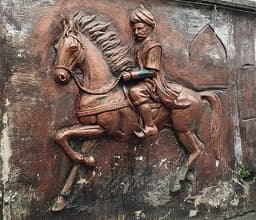
Abbas the Great
Emperor · Modern
74.5Total

Usman dan Fodio
Emperor · Modern
66.7Total
Basic Information
Born
1571
1754
Died
1629
1817
Era
Modern
Modern
Nationality
Persia
Sokoto Caliphate
Occupation
Emperor
Emperor
Civilization
Middle Eastern
Other
Score Comparison
Military (10%)
72.0
67.3
Political (20%)
84.0
72.0
Influence (20%)
69.8
68.0
Legacy (20%)
72.0
55.0
Leadership (15%)
73.8
78.0
Strategy (15%)
82.0
67.2
TOTAL
74.5
66.7
Abbas the Great — Complete Timeline
1598 AD
Construction of Isfahan as CapitalCultural
Abbas the Great moved the Safavid capital from Qazvin to Isfahan. He initiated a massive building program, constructing the Naqsh-e Jahan Square, the Shah Mosque, and the Ali Qapu palace. Isfahan was transformed into a grand city with parks, bridges, and bazaars, becoming a center of Persian culture and commerce.
Urban PlanningArchitectureIsfahan
Impact: globalconstructive
1600 AD
Reform of the Army (Ghulam System)Reform◆ Major
Abbas the Great established a new military corps of ghulams (slave soldiers) recruited from Christian subjects in the Caucasus. These troops were trained in modern firearms and artillery, reducing the Safavid reliance on the Qizilbash tribal forces. This reform created a loyal, professional army that strengthened the central government.
Military ReformGhulamsCentralization
Impact: nationalconstructive
1605 AD
Battle of SufiyanWar◆ Major
Abbas the Great led the Safavid army to victory against the Ottoman Empire at Sufiyan near Tabriz. This battle was part of the Ottoman-Safavid War of 1603-1618. The victory allowed Abbas to recapture Tabriz and other territories lost to the Ottomans in earlier wars.
BattleOttoman WarTabriz
Impact: regional
1622 AD
Expulsion of the Portuguese from HormuzWar◆ Major
Abbas the Great allied with the English East India Company to expel the Portuguese from the island of Hormuz in the Persian Gulf. A joint Persian-English force captured the Portuguese fort after a siege. This victory ended Portuguese dominance in the Persian Gulf and opened trade routes for Persian and English merchants.
SiegePortuguesePersian Gulf
Impact: regional
1623 AD
Recapture of BaghdadWar◆ Major
Abbas the Great led a campaign to recapture Baghdad from the Ottoman Empire. The Safavid army besieged the city and forced the Ottoman garrison to surrender. This victory restored Safavid control over Mesopotamia, a region lost since the Battle of Chaldiran in 1514.
SiegeMesopotamiaOttoman War
Impact: regional
Usman dan Fodio — Complete Timeline
1804 AD
Battle of Tabkin KwattoWar◆ Major
Usman dan Fodio's forces defeated the army of the Gobir kingdom at Tabkin Kwatto. This victory was the first major battle of the Fulani War and demonstrated the military capability of the jihadists. It boosted morale and attracted more followers to the cause.
BattleVictoryFulani War
Impact: regional
Declaration of JihadPolitical Action
Usman dan Fodio declared a jihad against the Hausa kingdoms, accusing them of practicing un-Islamic syncretism and oppression. He gathered a following of Fulani and Hausa supporters. This declaration initiated the Fulani War, which would transform the political landscape of West Africa.
JihadFulani WarDeclaration
Impact: regional
1809 AD
Establishment of Sokoto CaliphatePolitical Action
Usman dan Fodio established the Sokoto Caliphate after the conquest of the Hausa kingdoms. He became the first Sultan, with his son Muhammad Bello as his deputy. The caliphate became the largest state in West Africa, uniting numerous emirates under Islamic rule.
FoundationSokoto CaliphateIslamic State
Impact: regionalconstructive
1810 AD
Writing of 'Ihya al-Sunna'Cultural◆ Major
Usman dan Fodio completed 'Ihya al-Sunna wa Ikhmad al-Bid'a' (Revival of the Sunna and Extinction of Innovation), a major theological work. The book argued for the revival of orthodox Islamic practices and condemned innovations. It became a foundational text for the caliphate's religious policy.
TheologyWritingIslamic Revival
Impact: regionalconstructive
1812 AD
Abdication and RetirementPolitical Action◆ Major
Usman dan Fodio abdicated the political leadership of the Sokoto Caliphate, handing power to his son Muhammad Bello. He retired to a life of scholarship and religious teaching in Sokoto. This transition ensured a stable succession and allowed him to focus on intellectual pursuits.
AbdicationSuccessionRetirement
Impact: regionalconstructive
Expert Analysis
Origins
Abbas I, born in 1571 in Herat (now Afghanistan), was the son of Shah Mohammad Khodabanda, a weak ruler whose reign was plagued by civil strife and foreign threats. Abbas grew up in a tumultuous court, witnessing the erosion of Safavid authority. His early life was marked by insecurity: he was appointed governor of Khorasan as a teenager, but his family's internal power struggles and the murder of his brother by the Qizilbash tribal forces shaped his distrust of traditional military elites.
Usman dan Fodio, born in 1754 in Gobir (now northern Nigeria), was a Fulani Islamic scholar and teacher. His father, Muhammad Fodio, was a respected scholar of the Maliki school. Usman received a rigorous Islamic education, studying the Quran, Hadith, and jurisprudence. He became a charismatic preacher, critical of the syncretism and corruption he saw in the Hausa kingdoms. His early life was dedicated to scholarship and reform, not military ambition.
Rise to Power
Abbas the Great came to power in 1588 after a coup that deposed his father. He was only 17. The Safavid state was in crisis: the Ottoman Empire had seized western territories, the Uzbeks threatened from the east, and the Qizilbash tribes wielded excessive influence. Abbas initially consolidated power by playing factions against each other. His turning point came when he reformed the army by creating the ghulam corps—slave soldiers from the Caucasus—who were loyal only to him. By 1598, he had recaptured Herat from the Uzbeks, and in 1603 he launched a campaign against the Ottomans, winning the Battle of Sufiyan and recapturing Tabriz. His military score of 72.0 reflects these successes.
Usman dan Fodio's rise was ideological. He began preaching in the 1770s, gaining a following among the Fulani and oppressed Hausa peasants. In 1804, he declared a jihad against the Hausa kings, accusing them of un-Islamic practices and tyranny. The turning point was the Battle of Tabkin Kwatto in 1804, where his outnumbered forces defeated the army of Gobir. This victory galvanized support, and within four years, he had conquered the major Hausa states. He established the Sokoto Caliphate in 1809, becoming its first sultan. His political score of 72.0 reflects his ability to build a state from a religious movement.
Leadership & Governance
Abbas the Great centralized power in his own hands. He moved the capital from Qazvin to Isfahan in 1598, transforming it into a magnificent city with the Naqsh-e Jahan Square, palaces, and mosques. He promoted trade, especially with Europe, and allied with the English East India Company to expel the Portuguese from Hormuz in 1622. He implemented the ghulam system, which created a professional army and bureaucracy independent of tribal loyalties. His governance was autocratic but effective: he fostered religious tolerance towards Christians and Jews, and his building projects stimulated the economy. However, he executed or blinded potential rivals, including his own son.
Usman dan Fodio's governance was theocratic. He based his rule on Islamic law (Sharia) and appointed scholars as administrators. He divided the caliphate into emirates, each ruled by a flag-bearer, but maintained overall authority. He emphasized education and wrote extensively, including 'Ihya al-Sunna' (Revival of the Sunna). He abdicated political power in 1812, handing it to his son Muhammad Bello, and retired to scholarship. His leadership score of 78.0 is higher than Abbas's 73.8, reflecting his ability to inspire loyalty through religious legitimacy rather than coercion.
Triumph & Tragedy
Abbas's greatest triumph was the transformation of Persia into a stable, prosperous empire. He secured its borders, recaptured Baghdad in 1623, and made Isfahan one of the world's great cities. His greatest failure was the brutal treatment of his own family: he killed his eldest son and blinded others, leaving a succession crisis. After his death in 1629, the Safavid dynasty declined rapidly.
Usman dan Fodio's triumph was the creation of the Sokoto Caliphate, one of the largest states in West Africa, which lasted until 1903. He revived Islamic scholarship and established a legal system. His tragedy was the internal strife after his abdication: his son Muhammad Bello and brother Abdullahi fought for control, weakening the caliphate. He died in 1817, but his movement continued. His legacy score of 55.0 is lower than Abbas's 72.0, partly because the caliphate eventually fell to European colonialism.
Character & Destiny
Abbas was pragmatic, ruthless, and strategic. He understood the need to break the power of the Qizilbash and build a loyal army. His character was shaped by his insecure youth; he trusted no one. This paranoia led to his tragic family murders. Historians note that his reforms were brilliant but fragile, as they depended on his personal authority.
Usman dan Fodio was ascetic, scholarly, and idealistic. He believed his jihad was a religious duty, not a power grab. He was generous, often forgiving enemies. His abdication shows his preference for scholarship over power. His character inspired devotion but also left a power vacuum. His influence score of 68.0 reflects his lasting impact on West African Islam.
Legacy
Abbas's legacy is visible in Isfahan's architecture and the Safavid cultural renaissance. He revived Persian identity and centralized the state. His military reforms influenced later Persian armies. However, his dynasty collapsed within a century. His total score of 74.5 reflects his achievements in state-building and military expansion.
Usman dan Fodio's legacy is the Sokoto Caliphate and the spread of Islam in West Africa. He is revered as a mujaddid (renewer of faith). His writings are still studied. The caliphate's administrative structures influenced later Nigerian states. However, his empire did not survive colonialism. His total score of 66.7 is lower, reflecting a smaller territorial impact and shorter state duration.
Conclusion
Abbas the Great had a greater impact on history. His total score of 74.5 versus Usman dan Fodio's 66.7 reflects his superior military (72.0 vs 67.3), political (84.0 vs 72.0), and legacy (72.0 vs 55.0) scores. Abbas transformed a crumbling state into a major power, leaving a cultural and architectural legacy that lasts today. Usman dan Fodio created a religious state that endured for a century, but its influence was more regional. While Usman's leadership score (78.0) exceeds Abbas's (73.8), Abbas's strategic vision (82.0 vs 67.2) and political acumen made his empire more durable. Abbas the Great was the greater historical figure.
Rankings
🥇
Abbas the GreatLeader
Mil: 72.0Pol: 84.0Inf: 69.8
74.5
🥈
Usman dan Fodio
Mil: 67.3Pol: 72.0Inf: 68.0
66.7
+7.8 behind
How This Comparison Works
Algorithm
Each figure is scored on 6 dimensions (0—100 scale) based on structured historical data: Military (10%), Political (20%), Influence (20%), Legacy (20%), Leadership (15%), Strategy (15%). The weighted total produces the final ranking.
Data Sources
Scores are computed from structured sub-indicators in the database. Scale factors adjust for era (Ancient ×0.85, Modern ×1.0) and civilization size (Eastern ×1.05, Other ×0.80) to account for differences in population and military scale.
Maximum 3 Figures
Comparisons are limited to 2—3 figures to ensure readability and statistical meaningfulness.
Error Margins
±5 points per dimension — Sub-scores are derived from historical records with inherent uncertainty. Two figures within 5 points on a dimension should be considered roughly equivalent in that area.
Total Score Accuracy
±3 points overall — The weighted combination of 6 dimensions produces a total score with approximately ±3 points of uncertainty. Differences of less than 3 points are not statistically significant— the figures are effectively tied.
Known Limitations
- Historical records are incomplete and uneven across civilizations
- Figures from oral-tradition societies may be underrepresented
- Occupation labels can misclassify multi-role figures
- Scores measure capability and impact, not moral character
- Quantitative scoring is a comparison tool, not absolute truth
Capability Radar
Military (10%) — Battles & Warfare
Battles
85
65
Win Rate
80
75
Expansion
85
75
Political (20%) — Governance & Reform
Reform
92
90
Diplomacy
88
75
Economy
90
65
Influence (20%) — Cultural & Global Reach
Cultural
88
80
Global
80
65
Legacy (20%) — Historical Impact
Historical
85
75
Longevity
75
70
Leadership (15%) — Power & Stability
Tenure
85
70
Stability
78
60
Strategy (15%) — Tactics & Innovation
Strategy
88
80
Tactics
82
70
Reform
90
85
Similar Comparisons
Comments & Discussion
No comments yet. Be the first to share your thoughts!