Loading...
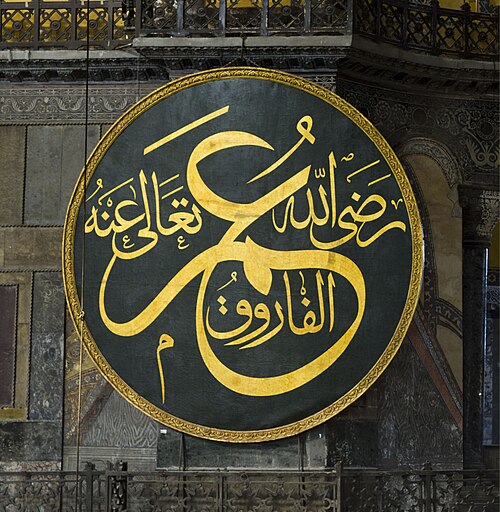
Umar
MedievalEmperorRashidun Caliphate584 — 644
Second caliph who expanded the Islamic empire dramatically.
Compare Umar with another historical figure:
Quick Facts
Born
584
Died
644
Country
Rashidun Caliphate
Era
Medieval
Occupation
Emperor
Score Overview
Military (10%)77
Political (20%)70
Influence (20%)67
Legacy (20%)82
Leadership (15%)78
Strategy (15%)69
Total Score74.2
Umar — Complete Timeline
634 AD
Caliphate of UmarPolitical Action◆ Major
Umar ibn al-Khattab became the second caliph after Abu Bakr's death. His ten-year reign saw the rapid expansion of the Islamic empire, including the conquest of the Sassanid Empire and Byzantine territories in the Levant and Egypt.
CaliphateExpansionRashidun
Impact: global
636 AD
Conquest of the Sassanid EmpireWar
Umar's forces, led by Sa'd ibn Abi Waqqas, defeated the Sassanid army at the Battle of al-Qadisiyyah in 636. This victory led to the Muslim conquest of Iraq and later the fall of the Sassanid capital Ctesiphon, ending Persian imperial rule.
Islamic ConquestSassanid EmpireRashidun
Impact: global
Conquest of Byzantine Syria and EgyptWar◆ Major
Umar's generals, including Khalid ibn al-Walid and Amr ibn al-As, conquered Byzantine Syria after the Battle of Yarmouk (636) and Egypt after the surrender of Babylon Fortress (641). These conquests added vast territories to the caliphate.
Islamic ConquestByzantine EmpireRashidun
Impact: global
638 AD
Establishment of the Islamic CalendarReform◆ Major
Umar instituted the Hijri calendar, dating from the migration (Hijra) of Muhammad to Medina in 622. This calendar became the standard for the Islamic world, used for religious and administrative purposes.
CalendarReformRashidun
Impact: globalconstructive
644 AD
Assassination of UmarPolitical Action◆ Major
Umar was stabbed by a Persian slave named Abu Lu'lu'a while leading prayers in Medina. He died three days later, having appointed a council to elect his successor. His death marked the end of the first phase of rapid expansion.
AssassinationSuccessionRashidun
Impact: globaltragic
Detailed Scores
▶View all detailed scores
Military
Strategy
7
Tactics
7
Battles
7
Army Scale
6
War Impact
7
Political
Governance
6
Reform
7
Stability
6
Policy
7
Power
7
Influence
History
9
Global
8
Culture
9
Ideology
9
Legacy
9
People often compare with
See how Umar stacks up against other historical figures
Popular Comparisons
Umar vs Jayavarman VII
vs Jayavarman VII71
Umar vs King Seongjong
vs King Seongjong61
Umar vs Frederick II of Hohenstaufen
vs Frederick II of Hohenstaufen59
Umar vs Oba Ozolua
vs Oba Ozolua57
Umar vs Ferdinand I of Aragon
vs Ferdinand I of Aragon55
Umar vs Nikephoros I
vs Nikephoros I55