Loading...
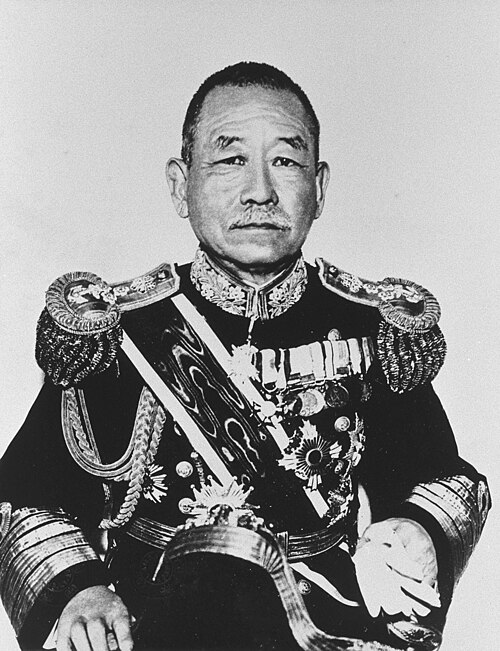
Okada Keisuke
ModernGeneralJapan1868 — 1952
Admiral PM who narrowly survived 2-26 Incident.
Compare Okada Keisuke with another historical figure:
Quick Facts
Born
1868
Died
1952
Country
Japan
Era
Modern
Occupation
General
Score Overview
Military (10%)47
Political (20%)63
Influence (20%)56
Legacy (20%)50
Leadership (15%)80
Strategy (15%)60
Total Score58.5
Okada Keisuke — Complete Timeline
1934 AD
Service as Prime MinisterPolitical Action
Okada Keisuke became Prime Minister in July 1934, succeeding Saito Makoto. His cabinet attempted to maintain civilian control over the military and pursued moderate foreign policies, but faced increasing pressure from ultranationalist factions.
Prime MinisterCivilian Control
Impact: national
1936 AD
Survival of the February 26 IncidentPolitical Action◆ Major
During the February 26 Incident, Prime Minister Okada Keisuke narrowly escaped assassination when rebels mistakenly killed his brother-in-law, who resembled him. Okada hid in a closet while rebels searched his residence, then fled to safety. His survival allowed him to continue as PM.
Coup AttemptEscapePolitical Violence
Impact: national
Resignation After February 26 IncidentPolitical Action◆ Major
Okada resigned as Prime Minister in March 1936, taking responsibility for the February 26 Incident and the breakdown of public order. His resignation marked the end of party cabinets and the beginning of military-dominated governments.
ResignationPolitical Crisis
Impact: nationaltragic
1945 AD
Post-War Role as Privy CouncillorPolitical Action
After World War II, Okada served as a member of the Privy Council and advised the government during the Allied occupation. He supported the new constitution and Japan's demilitarization, helping to transition Japan to a peaceful state.
Post-WarOccupationConstitution
Impact: nationalconstructive
Detailed Scores
▶View all detailed scores
Military
Strategy
7
Tactics
7
Battles
7
Army Scale
7
War Impact
7
Political
Governance
7
Reform
7
Stability
7
Policy
8
Power
7
Influence
History
9
Global
8
Culture
9
Ideology
9
Legacy
9
People often compare with
See how Okada Keisuke stacks up against other historical figures