Loading...
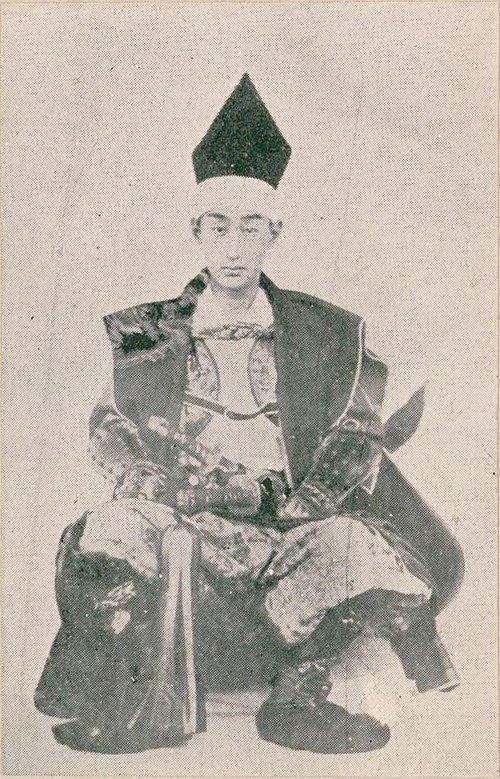
Matsudaira Katamori
ModernGeneralJapan1836 — 1893
Aizu daimyo who fought against the Meiji Restoration.
Compare Matsudaira Katamori with another historical figure:
Quick Facts
Born
1836
Died
1893
Country
Japan
Era
Modern
Occupation
General
Score Overview
Military (10%)47
Political (20%)68
Influence (20%)55
Legacy (20%)49
Leadership (15%)65
Strategy (15%)60
Total Score56.6
Matsudaira Katamori — Complete Timeline
1862 AD
Appointed as Kyoto ShugoshokuPolitical Action◆ Major
Matsudaira Katamori was appointed Kyoto Shugoshoku (military commissioner of Kyoto) by the Tokugawa shogunate. He was tasked with maintaining order in Kyoto, which was a hotbed of anti-shogunate activity. This position made him a key figure in the Bakumatsu period.
BakumatsuKyotoShogunate
Impact: national
1863 AD
Formation of the ShinsengumiPolitical Action◆ Major
Katamori authorized the formation of the Shinsengumi, a special police force composed of ronin, to suppress anti-shogunate elements in Kyoto. The Shinsengumi became infamous for their ruthless tactics and loyalty to the shogunate, with Kondo Isami and Hijikata Toshizo as leaders.
ShinsengumiKyotoPolice
Impact: national
1868 AD
Battle of Toba-FushimiWar◆ Major
Katamori led Aizu forces in the Battle of Toba-Fushimi, the opening battle of the Boshin War. The shogunate forces were defeated by the Imperial army, leading to the collapse of Tokugawa resistance. Katamori retreated to Aizu after the defeat.
Boshin WarBattleDefeat
Impact: nationaldestructive
Siege of Aizu-Wakamatsu CastleWar◆ Major
Imperial forces besieged Aizu-Wakamatsu Castle for a month. Katamori's forces, including the Byakkotai (White Tiger Corps), defended fiercely but were overwhelmed. The castle fell, and Katamori surrendered, ending Aizu's resistance. Many young samurai committed seppuku.
Boshin WarSiegeAizu
Impact: nationaltragic
Surrender and House ArrestPolitical Action
After the fall of Aizu-Wakamatsu Castle, Katamori formally surrendered to the Imperial forces. He was placed under house arrest and his domain was confiscated. He later lived in obscurity, but was eventually pardoned and served as a shrine priest.
SurrenderBoshin WarPardon
Impact: nationaltragic
Detailed Scores
▶View all detailed scores
Military
Strategy
7
Tactics
7
Battles
7
Army Scale
7
War Impact
7
Political
Governance
7
Reform
7
Stability
7
Policy
8
Power
7
Influence
History
9
Global
8
Culture
9
Ideology
9
Legacy
9
People often compare with
See how Matsudaira Katamori stacks up against other historical figures
Popular Comparisons
Matsudaira Katamori vs Date Masamune
vs Date Masamune67
Matsudaira Katamori vs Jassa Singh Ahluwalia
vs Jassa Singh Ahluwalia60
Matsudaira Katamori vs Changling
vs Changling48
Matsudaira Katamori vs Felix Diaz
vs Felix Diaz39
Matsudaira Katamori vs Enrique Penaranda
vs Enrique Penaranda39