Loading...
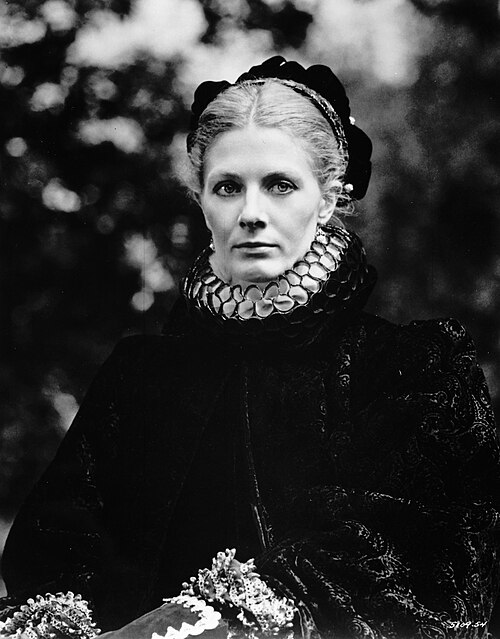
Mary Queen of Scots
ModernEmperorScotland1542 — 1587
Tragic queen executed by Elizabeth I.
Compare Mary Queen of Scots with another historical figure:
Quick Facts
Born
1542
Died
1587
Country
Scotland
Era
Modern
Occupation
Emperor
Score Overview
Military (10%)49
Political (20%)29
Influence (20%)56
Legacy (20%)46
Leadership (15%)42
Strategy (15%)56
Total Score46.5
Mary Queen of Scots — Complete Timeline
1543 AD
Coronation as Queen of ScotsPolitical Action◆ Major
Mary was crowned Queen of Scots at Stirling Castle at nine months old, following the death of her father James V. The coronation was overseen by regents, and Scotland was governed by a series of regents during her minority.
CoronationRegencyMinority
Impact: national
1558 AD
Marriage to Francis II of FrancePolitical Action◆ Major
Mary married Francis, Dauphin of France, at Notre Dame Cathedral in Paris. The marriage strengthened the Auld Alliance and made Mary queen consort of France when Francis became king in 1559. Francis died in 1560, ending Mary's French reign.
MarriageAuld AllianceFrance
Impact: national
1561 AD
Return to ScotlandPolitical Action◆ Major
Mary returned to Scotland after the death of her husband Francis II. She arrived in Leith and began her personal rule in a country deeply divided by the Protestant Reformation. She faced challenges from Protestant nobles and the English queen Elizabeth I.
ReturnReformationRule
Impact: national
1566 AD
Murder of David RizzioPolitical Action◆ Major
Mary's private secretary David Rizzio was murdered in her presence at Holyrood Palace by a group of nobles led by her husband Lord Darnley. The murder was motivated by jealousy and political intrigue, and it deepened the rift between Mary and Darnley.
MurderIntrigueDarnley
Impact: nationaltragic
1567 AD
Abdication and ImprisonmentPolitical Action
Mary was forced to abdicate the Scottish throne in favor of her infant son James VI after her defeat at the Battle of Carberry Hill. She was imprisoned in Loch Leven Castle and later escaped, but was defeated again and fled to England.
AbdicationImprisonmentFlight
Impact: nationaltragic
1587 AD
Execution by Elizabeth IPolitical Action
Mary was executed at Fotheringhay Castle after being found guilty of involvement in the Babington Plot to assassinate Elizabeth I. Her execution ended 19 years of captivity in England and removed a Catholic claimant to the English throne.
ExecutionPlotCatholic Claimant
Impact: globaltragic
Detailed Scores
▶View all detailed scores
Military
Strategy
7
Tactics
6
Battles
6
Army Scale
6
War Impact
7
Political
Governance
7
Reform
7
Stability
7
Policy
7
Power
8
Influence
History
8
Global
8
Culture
8
Ideology
9
Legacy
8
People often compare with
See how Mary Queen of Scots stacks up against other historical figures
Popular Comparisons
Mary Queen of Scots vs Ahmad Shah Durrani
vs Ahmad Shah Durrani66
Mary Queen of Scots vs Yohannes IV
vs Yohannes IV57
Mary Queen of Scots vs Kazembe III
vs Kazembe III53
Mary Queen of Scots vs Lukengo
vs Lukengo51
Mary Queen of Scots vs Nasir-ud-Daulah
vs Nasir-ud-Daulah46
Mary Queen of Scots vs Sekonyela
vs Sekonyela45