Loading...
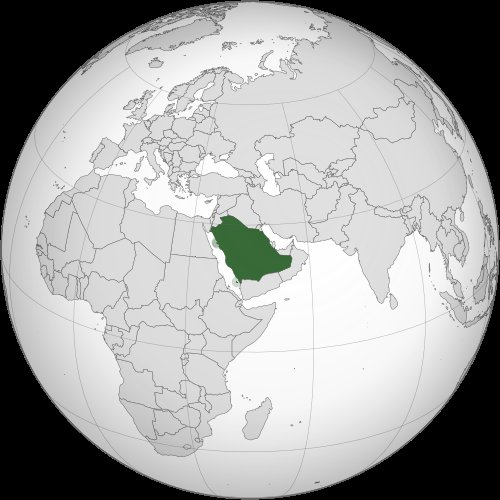
Faisal of Saudi Arabia
ModernEmperorSaudi Arabia1906 — 1975
Reformist Saudi king assassinated by his nephew.
Compare Faisal of Saudi Arabia with another historical figure:
Quick Facts
Born
1906
Died
1975
Country
Saudi Arabia
Era
Modern
Occupation
Emperor
Score Overview
Military (10%)21
Political (20%)82
Influence (20%)58
Legacy (20%)52
Leadership (15%)80
Strategy (15%)40
Total Score58.0
Faisal of Saudi Arabia — Complete Timeline
1964 AD
Modernization ReformsReform◆ Major
Upon becoming king, Faisal launched a series of modernization reforms including the introduction of television, expansion of education for girls, abolition of slavery, and creation of a modern bureaucracy. These reforms faced opposition from conservative religious elements.
ModernizationEducationSocial Reform
Impact: nationalprogressive
1973 AD
1973 Oil EmbargoPolitical Action◆ Major
King Faisal led Saudi Arabia in implementing an oil embargo against nations supporting Israel during the Yom Kippur War. The embargo caused global oil prices to quadruple, reshaping international energy politics and increasing Saudi influence.
Oil PoliticsArab-Israeli ConflictEconomic Warfare
Impact: global
Establishment of OPEC Price ControlPolitical Action◆ Major
Faisal coordinated with other Arab oil-producing states to use oil as a political weapon, leading to the formation of OAPEC and the first use of oil price controls for political ends. This marked a shift in global economic power.
OPECOil PoliticsEconomic Strategy
Impact: global
1975 AD
Assassination of King FaisalPolitical Action
King Faisal was shot and killed by his nephew, Prince Faisal bin Musaid, during a royal audience at the Royal Palace in Riyadh. The assassination ended Faisal's reformist reign and led to the accession of King Khalid.
AssassinationRoyal FamilySuccession
Impact: nationaltragic
Detailed Scores
▶View all detailed scores
Military
Strategy
7
Tactics
6
Battles
7
Army Scale
6
War Impact
7
Political
Governance
7
Reform
7
Stability
7
Policy
8
Power
8
Influence
History
8
Global
8
Culture
8
Ideology
9
Legacy
8
People often compare with
See how Faisal of Saudi Arabia stacks up against other historical figures
Popular Comparisons
Faisal of Saudi Arabia vs Ivan IV the Terrible
vs Ivan IV the Terrible63
Faisal of Saudi Arabia vs Ferdinand I of Bohemia
vs Ferdinand I of Bohemia55
Faisal of Saudi Arabia vs Joseph I
vs Joseph I53
Faisal of Saudi Arabia vs Rama III
vs Rama III52
Faisal of Saudi Arabia vs Jayachamaraja Wadiyar
vs Jayachamaraja Wadiyar51
Faisal of Saudi Arabia vs Ntare I of Burundi
vs Ntare I of Burundi50