Loading...
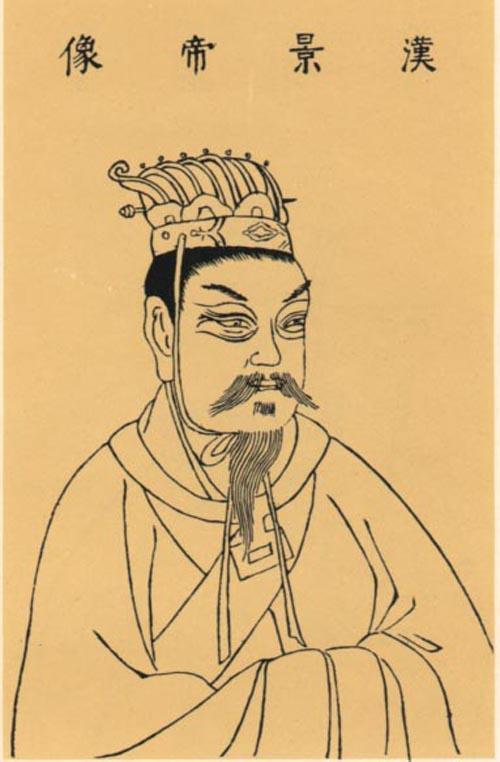
Emperor Jing of Han
AncientEmperorChina-188 — -141
Continued Wen-Jing governance, suppressed the Rebellion of Seven States.
Compare Emperor Jing of Han with another historical figure:
Quick Facts
Born
188 BCE
Died
141 BCE
Country
China
Era
Ancient
Occupation
Emperor
Score Overview
Military (10%)30
Political (20%)63
Influence (20%)52
Legacy (20%)48
Leadership (15%)40
Strategy (15%)60
Total Score49.2
Emperor Jing of Han — Complete Timeline
156 BC
Continuation of Tax ReductionsReform
Emperor Jing maintained the low tax rate of one-thirtieth set by his father, Emperor Wen, and further reduced labor service requirements. This policy sustained agricultural prosperity and popular support, contributing to the Rule of Wen and Jing.
Tax ReformAgricultureRule of Wen and Jing
Impact: nationalconstructive
154 BC
Suppression of the Rebellion of the Seven StatesWar
Seven feudal kingdoms led by Liu Pi of Wu rebelled against Emperor Jing's centralization policies. Emperor Jing appointed Zhou Yafu as commander, who defeated the rebels within three months. This victory crushed the power of the feudal lords and strengthened imperial authority.
RebellionCentralizationZhou Yafu
Impact: national
Execution of Chao CuoPolitical Action◆ Major
Emperor Jing ordered the execution of his advisor Chao Cuo to appease the rebelling seven states, despite Chao Cuo having advocated the centralization policies that triggered the rebellion. This act failed to stop the rebellion but demonstrated the emperor's willingness to sacrifice allies.
ExecutionPolitical SacrificeChao Cuo
Impact: nationaltragic
145 BC
Legal Code SimplificationReform
Emperor Jing ordered the simplification of the legal code, reducing the number of beatings in punishments and standardizing penalties. This reform aimed to prevent deaths from excessive beatings and continued the trend toward a more humane legal system begun by his father.
Legal ReformHumanitarianismPunishment
Impact: nationalprogressive
Detailed Scores
▶View all detailed scores
Military
Strategy
7
Tactics
7
Battles
7
Army Scale
7
War Impact
7
Political
Governance
6
Reform
7
Stability
6
Policy
7
Power
7
Influence
History
8
Global
7
Culture
8
Ideology
8
Legacy
7
People often compare with
See how Emperor Jing of Han stacks up against other historical figures
Popular Comparisons
Emperor Jing of Han vs Beopheung of Silla
vs Beopheung of Silla54
Emperor Jing of Han vs Emperor Suizei
vs Emperor Suizei54
Emperor Jing of Han vs Vasabha
vs Vasabha50
Emperor Jing of Han vs Emperor Korei
vs Emperor Korei46
Emperor Jing of Han vs Nero
vs Nero44
Emperor Jing of Han vs Napoleon Bonaparte
vs Napoleon Bonaparte71