Loading...
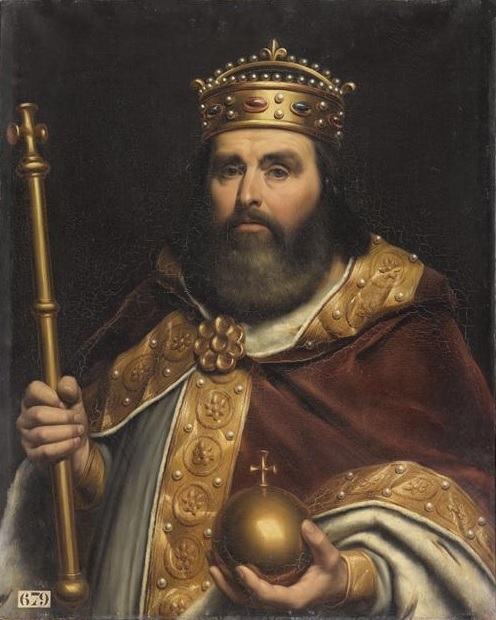
Charles the Fat
MedievalEmperorEast Francia839 — 888
Briefly reunited the Carolingian Empire.
Compare Charles the Fat with another historical figure:
Quick Facts
Born
839
Died
888
Country
East Francia
Era
Medieval
Occupation
Emperor
Score Overview
Military (10%)23
Political (20%)28
Influence (20%)47
Legacy (20%)39
Leadership (15%)45
Strategy (15%)37
Total Score38.4
Charles the Fat — Complete Timeline
881 AD
Imperial Coronation (881)Cultural◆ Major
Charles the Fat was crowned Holy Roman Emperor by Pope John VIII on February 12, 881, in Rome. This coronation recognized his authority over Italy and the imperial title, but his actual power remained limited and contested.
CoronationEmperorPapal Approval
Impact: regional
884 AD
Reunification of the Carolingian EmpirePolitical Action
Charles the Fat inherited the kingdoms of East Francia (876), Italy (879), and West Francia (884), briefly reuniting the Carolingian Empire under a single ruler for the last time. This reunification was fragile and did not last beyond his deposition.
ReunificationCarolingian EmpireImperial Unity
Impact: global
885 AD
Siege of Paris (885-886)War◆ Major
Viking forces besieged Paris for nearly a year. Charles the Fat led a relief army but chose to pay the Vikings a tribute of 700 pounds of silver to lift the siege, rather than fight. This decision was widely seen as cowardly and weakened his authority.
Viking SiegeTributeWeakness
Impact: regionaldestructive
887 AD
Deposition of Charles the FatPolitical Action
Charles the Fat was deposed by an assembly of nobles at Tribur in November 887. His deposition was due to his failure to defend against Viking raids and his declining health. The empire was then divided among regional rulers, ending the unified Carolingian Empire.
DepositionEnd of EmpireCarolingian
Impact: globaldestructive
888 AD
Death of Charles the FatOther◆ Major
Charles the Fat died on January 13, 888, in Neidingen, shortly after his deposition. His death marked the final collapse of the unified Carolingian Empire. The empire fragmented into several successor kingdoms, including France, Germany, and Italy.
DeathFragmentationCarolingian
Impact: globaltragic
Detailed Scores
▶View all detailed scores
Military
Strategy
7
Tactics
7
Battles
7
Army Scale
6
War Impact
7
Political
Governance
6
Reform
7
Stability
6
Policy
7
Power
7
Influence
History
9
Global
8
Culture
8
Ideology
9
Legacy
8
People often compare with
See how Charles the Fat stacks up against other historical figures
Popular Comparisons
Charles the Fat vs Peter of Castile
vs Peter of Castile49
Charles the Fat vs Tarmashirin
vs Tarmashirin48
Charles the Fat vs Li Yan
vs Li Yan48
Charles the Fat vs Pulakeshin I
vs Pulakeshin I44
Charles the Fat vs King Chungseon of Goryeo
vs King Chungseon of Goryeo43
Charles the Fat vs Otto II
vs Otto II43