Loading...
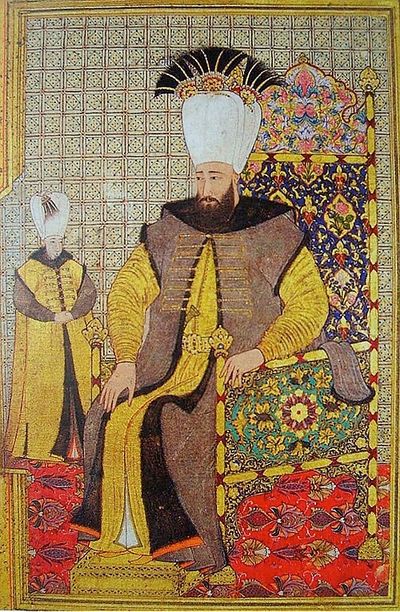
Ahmed III
ModernEmperorOttoman Empire1673 — 1736
Tulip Era sultan, overthrown by Patrona Halil.
Compare Ahmed III with another historical figure:
Quick Facts
Born
1673
Died
1736
Country
Ottoman Empire
Era
Modern
Occupation
Emperor
Score Overview
Military (10%)50
Political (20%)68
Influence (20%)59
Legacy (20%)44
Leadership (15%)66
Strategy (15%)37
Total Score54.5
Ahmed III — Complete Timeline
1718 AD
Tulip Era Cultural FlourishingCultural◆ Major
Ahmed III's reign saw the Tulip Era, a period of cultural and artistic revival. The court sponsored poetry, painting, and architecture, and introduced the tulip as a symbol. The era was marked by lavish gardens and festivals, but also by high taxes.
Tulip EraCultureArt
Impact: nationalconstructive
Treaty of PassarowitzPolitical Action◆ Major
Ahmed III signed the Treaty of Passarowitz with the Habsburgs and Venice, ending the Austro-Turkish War (1716-1718). The treaty ceded the Banat and Belgrade to the Habsburgs, but allowed the Ottomans to retain the Morea from Venice.
Peace TreatyHabsburgsTerritorial Loss
Impact: regional
1724 AD
War with Safavids and Capture of TabrizWar
Ahmed III's empire went to war with the Safavid Empire, taking advantage of its decline. Ottoman forces captured Tabriz and other territories in the Caucasus. The war ended with the Treaty of Hamedan in 1727, confirming Ottoman gains.
Ottoman-Safavid WarTabrizCaucasus
Impact: regional
1727 AD
Introduction of the Printing PressInvention◆ Major
Ahmed III granted permission to Ibrahim Muteferrika to establish the first Ottoman printing press. The press published books in Turkish and Arabic, spreading knowledge and modernizing education. This was a key reform of the Tulip Era.
Printing PressIbrahim MuteferrikaEducation
Impact: nationalprogressive
1730 AD
Patrona Halil RevoltPolitical Action◆ Major
Ahmed III was overthrown by a revolt led by Patrona Halil, a Janissary and former sailor. The rebels, angry over the Tulip Era's extravagance and the war with Persia, forced Ahmed to abdicate. He was replaced by his nephew Mahmud I.
RevoltPatrona HalilTulip Era
Impact: nationaltragic
Detailed Scores
▶View all detailed scores
Military
Strategy
7
Tactics
6
Battles
7
Army Scale
6
War Impact
7
Political
Governance
7
Reform
7
Stability
7
Policy
8
Power
8
Influence
History
8
Global
8
Culture
8
Ideology
9
Legacy
8
People often compare with
See how Ahmed III stacks up against other historical figures