Loading...
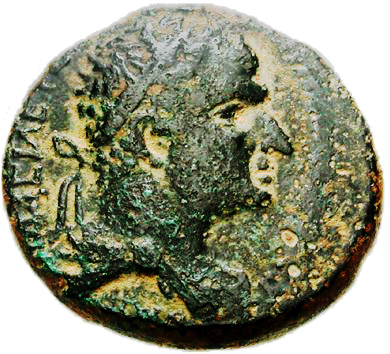
Agrippa I
AncientEmperorJudea-11 — 44
King of Judea, grandson of Herod the Great.
Compare Agrippa I with another historical figure:
Quick Facts
Born
11 BCE
Died
44
Country
Judea
Era
Ancient
Occupation
Emperor
Score Overview
Military (10%)23
Political (20%)44
Influence (20%)49
Legacy (20%)38
Leadership (15%)52
Strategy (15%)40
Total Score42.3
Agrippa I — Complete Timeline
36 AD
Imprisoned by TiberiusPolitical Action◆ Major
Agrippa I was imprisoned by Emperor Tiberius after making a remark interpreted as wishing for Tiberius's death. He was held in chains for six months until Tiberius's death in 37 AD, when he was released by the new emperor Caligula, who granted him territories.
ImprisonmentTiberiusCaligula
Impact: regionaltragic
37 AD
Appointed King of Judea by CaligulaPolitical Action◆ Major
Upon his release from prison, Emperor Caligula appointed Agrippa I as king of the territories formerly held by his uncle Philip (Batanea, Trachonitis, and Gaulanitis). In 39 AD, Caligula added the tetrarchy of Herod Antipas (Galilee and Perea) after Antipas's exile.
KingshipCaligulaTerritorial Expansion
Impact: regionalconstructive
44 AD
Persecuted the Apostles and Executed JamesPolitical Action◆ Major
According to the Acts of the Apostles, King Agrippa I began persecuting the early Christian church. He executed James, son of Zebedee, by the sword. This was the first apostolic martyrdom recorded in the New Testament. The persecution pleased the Jewish authorities.
Christian PersecutionJames the ApostleMartyrdom
Impact: regionaldestructive
Imprisoned Peter the ApostlePolitical Action◆ Major
Agrippa I arrested Peter the Apostle during Passover and imprisoned him, intending to execute him after the festival. According to Acts, Peter was freed by an angel and escaped. Agrippa executed the guards who had been responsible for Peter's custody.
Peter the ApostleImprisonmentMiraculous Escape
Impact: regionaldestructive
Death at Caesarea MaritimaOther◆ Major
Agrippa I died suddenly at Caesarea Maritima during a public festival. According to Josephus and Acts, he was struck down by an angel of God after accepting acclamation as a god. He was eaten by worms and died after five days of illness. His death ended the Herodian kingdom.
DeathDivine JudgmentEnd of Kingdom
Impact: regionaltragic
Detailed Scores
▶View all detailed scores
Military
Strategy
7
Tactics
7
Battles
7
Army Scale
7
War Impact
7
Political
Governance
6
Reform
7
Stability
6
Policy
7
Power
7
Influence
History
8
Global
7
Culture
8
Ideology
8
Legacy
7
People often compare with
See how Agrippa I stacks up against other historical figures
Popular Comparisons
Agrippa I vs Ramesses II the Great
vs Ramesses II the Great68
Agrippa I vs Tigranes the Great
vs Tigranes the Great62
Agrippa I vs King Gwanggaeto the Great
vs King Gwanggaeto the Great60
Agrippa I vs Nebuchadnezzar I
vs Nebuchadnezzar I56
Agrippa I vs Pan Geng of Shang
vs Pan Geng of Shang55
Agrippa I vs Amenemhat I
vs Amenemhat I54