Loading...
This comparison has not been analyzed yet.
One-time AI generation (~1 minute). Scores and timeline are already available below.
Mantatisi vs Tamim bin Hamad Al Thani
Tamim bin Hamad Al Thani leads by 10.6 pts · 2 figures compared
…

Mantatisi
Emperor · Modern
47.2Total
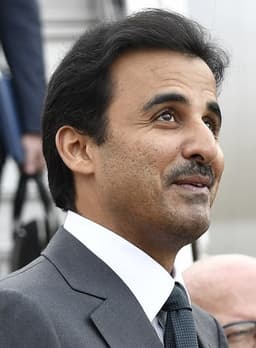
Tamim bin Hamad Al Thani
Emperor · Modern
57.8Total
Basic Information
Born
1780
1980
Died
1836
—
Era
Modern
Modern
Nationality
Sotho
Qatar
Occupation
Emperor
Emperor
Civilization
Other
Middle Eastern
Score Comparison
Military (10%)
20.0
45.0
Political (20%)
39.4
72.0
Influence (20%)
52.5
55.0
Legacy (20%)
43.3
43.3
Leadership (15%)
62.2
79.8
Strategy (15%)
60.0
60.0
TOTAL
47.2
57.8
Mantatisi — Complete Timeline
1822 AD
Leadership During DifaqaneWar◆ Major
Mantatisi led the Tlokwa people during the Difaqane (Mfecane), a period of widespread chaos and warfare in southern Africa. She successfully defended her people against attacks from the Hlubi and other groups, earning a reputation as a fierce warrior queen.
DifaqaneWarfareTlokwa
Impact: regional
1823 AD
Battle of the Tlokwa StrongholdWar
Mantatisi's forces repelled an attack by the Hlubi army at the Tlokwa mountain stronghold. The victory secured Tlokwa survival during the Difaqane and solidified her leadership among the Sotho-Tswana peoples.
DifaqaneBattleTlokwa
Impact: regional
1824 AD
Alliance with MoshoeshoePolitical Action
Mantatisi formed a temporary alliance with Moshoeshoe I, the future founder of Lesotho, to counter common enemies during the Difaqane. The alliance was short-lived but demonstrated her diplomatic skills.
AllianceDifaqaneSotho
Impact: regional
Tamim bin Hamad Al Thani — Complete Timeline
2013 AD
Accession as Emir of QatarPolitical Action◆ Major
Tamim bin Hamad Al Thani became Emir of Qatar after his father, Hamad bin Khalifa, abdicated in his favor. The transition was peaceful and marked a generational shift, with Tamim inheriting a wealthy state with ambitious foreign policy goals.
SuccessionEmirQatar
Impact: national
Expansion of Al Jazeera NetworkCultural
Under Tamim's rule, Al Jazeera continued to expand its global reach, launching new channels and digital platforms. The network remained influential in shaping Middle Eastern media, though it faced accusations of bias and censorship.
MediaAl JazeeraInfluence
Impact: global
2017 AD
Qatar Diplomatic CrisisPolitical Action◆ Major
Saudi Arabia, UAE, Bahrain, and Egypt imposed a blockade on Qatar, accusing it of supporting terrorism. Tamim resisted the demands, maintaining ties with Iran and Turkey, and the crisis solidified Qatar's independent foreign policy, though it caused economic strain.
BlockadeDiplomacyGulf Crisis
Impact: regional
2022 AD
Hosting of the FIFA World Cup 2022Cultural
Qatar hosted the FIFA World Cup, the first Arab and Muslim-majority country to do so. The event drew global attention and criticism over labor rights and corruption, but Tamim used it to project Qatar's soft power and modernize its infrastructure.
World CupSportsSoft Power
Impact: global
This comparison has not been analyzed yet.
One-time AI generation (~1 minute). Scores and timeline are already available below.
Rankings
🥇
Tamim bin Hamad Al ThaniLeader
Mil: 45.0Pol: 72.0Inf: 55.0
57.8
🥈
Mantatisi
Mil: 20.0Pol: 39.4Inf: 52.5
47.2
+10.6 behind
How This Comparison Works
Algorithm
Each figure is scored on 6 dimensions (0—100 scale) based on structured historical data: Military (10%), Political (20%), Influence (20%), Legacy (20%), Leadership (15%), Strategy (15%). The weighted total produces the final ranking.
Data Sources
Scores are computed from structured sub-indicators in the database. Scale factors adjust for era (Ancient ×0.85, Modern ×1.0) and civilization size (Eastern ×1.05, Other ×0.80) to account for differences in population and military scale.
Maximum 3 Figures
Comparisons are limited to 2—3 figures to ensure readability and statistical meaningfulness.
Error Margins
±5 points per dimension — Sub-scores are derived from historical records with inherent uncertainty. Two figures within 5 points on a dimension should be considered roughly equivalent in that area.
Total Score Accuracy
±3 points overall — The weighted combination of 6 dimensions produces a total score with approximately ±3 points of uncertainty. Differences of less than 3 points are not statistically significant— the figures are effectively tied.
Known Limitations
- Historical records are incomplete and uneven across civilizations
- Figures from oral-tradition societies may be underrepresented
- Occupation labels can misclassify multi-role figures
- Scores measure capability and impact, not moral character
- Quantitative scoring is a comparison tool, not absolute truth
Capability Radar
Military (10%) — Battles & Warfare
Battles
45
0
Win Rate
40
0
Expansion
40
0
Political (20%) — Governance & Reform
Reform
25
65
Diplomacy
30
75
Economy
20
70
Influence (20%) — Cultural & Global Reach
Cultural
35
55
Global
20
60
Legacy (20%) — Historical Impact
Historical
40
40
Longevity
30
30
Leadership (15%) — Power & Stability
Tenure
35
60
Stability
25
70
Strategy (15%) — Tactics & Innovation
Strategy
45
0
Tactics
50
0
Reform
30
10
Similar Comparisons
Comments & Discussion
No comments yet. Be the first to share your thoughts!