Loading...
Julius Caesar vs Napoleon Bonaparte vs Pachacuti
Julius Caesar leads by 0.9 pts · 3 figures compared
…
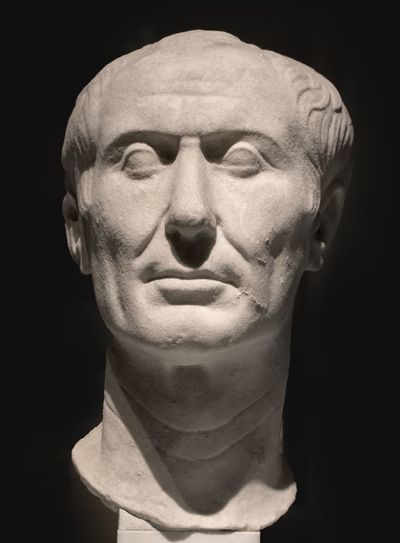
Julius Caesar
General · Ancient
83.3Total
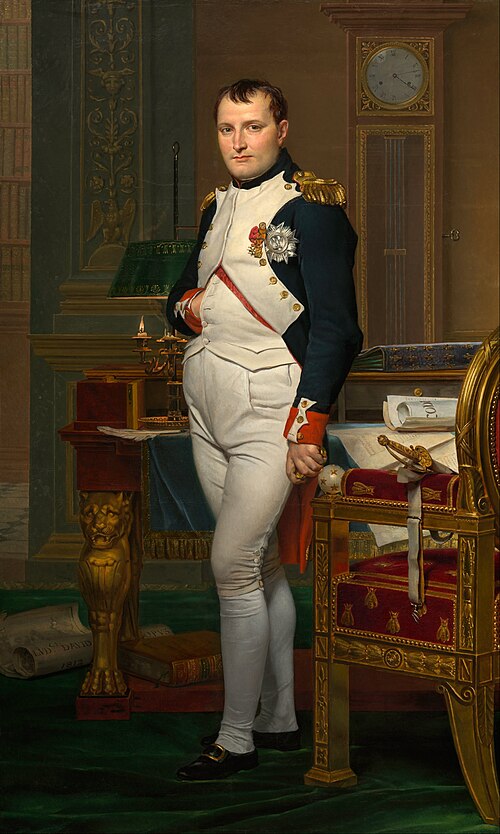
Napoleon Bonaparte
General · Modern
82.4Total
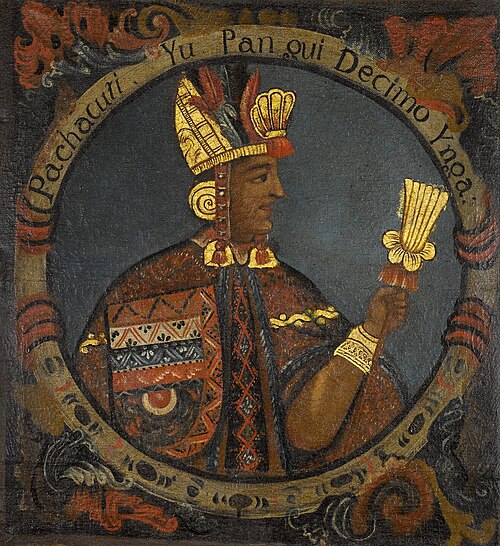
Pachacuti
Emperor · Medieval
73.7Total
Basic Information
Born
-100
1769
1418
Died
-44
1821
1472
Era
Ancient
Modern
Medieval
Nationality
Roman Republic
France
Inca Empire
Occupation
General
General
Emperor
Civilization
Western
Western
Other
Score Comparison
Military (10%)
88.0
94.0
66.8
Political (20%)
78.0
75.0
70.6
Influence (20%)
85.0
82.0
77.6
Legacy (20%)
82.0
78.0
66.1
Leadership (15%)
82.0
80.0
84.5
Strategy (15%)
88.0
93.0
76.7
TOTAL
83.3
82.4
73.7
Rankings
🥇
Julius CaesarLeader
Mil: 88.0Pol: 78.0Inf: 85.0
83.3
🥈
Napoleon Bonaparte
Mil: 94.0Pol: 75.0Inf: 82.0
82.4
+0.9 behind
🥉
Pachacuti
Mil: 66.8Pol: 70.6Inf: 77.6
73.7
+9.6 behind
How This Comparison Works
Algorithm
Each figure is scored on 6 dimensions (0—100 scale) based on structured historical data: Military (10%), Political (20%), Influence (20%), Legacy (20%), Leadership (15%), Strategy (15%). The weighted total produces the final ranking.
Data Sources
Scores are computed from structured sub-indicators in the database. Scale factors adjust for era (Ancient ×0.85, Modern ×1.0) and civilization size (Eastern ×1.05, Other ×0.80) to account for differences in population and military scale.
Maximum 3 Figures
Comparisons are limited to 2—3 figures to ensure readability and statistical meaningfulness.
Error Margins
±5 points per dimension — Sub-scores are derived from historical records with inherent uncertainty. Two figures within 5 points on a dimension should be considered roughly equivalent in that area.
Total Score Accuracy
±3 points overall — The weighted combination of 6 dimensions produces a total score with approximately ±3 points of uncertainty. Differences of less than 3 points are not statistically significant— the figures are effectively tied.
Known Limitations
- Historical records are incomplete and uneven across civilizations
- Figures from oral-tradition societies may be underrepresented
- Occupation labels can misclassify multi-role figures
- Scores measure capability and impact, not moral character
- Quantitative scoring is a comparison tool, not absolute truth
Capability Radar
Military (10%) — Battles & Warfare
Battles
95
95
85
Win Rate
92
90
90
Expansion
97
95
90
Political (20%) — Governance & Reform
Reform
90
95
92
Diplomacy
85
80
75
Economy
82
85
80
Influence (20%) — Cultural & Global Reach
Cultural
88
85
85
Global
94
90
65
Legacy (20%) — Historical Impact
Historical
95
95
80
Longevity
96
90
70
Leadership (15%) — Power & Stability
Tenure
75
85
85
Stability
60
70
82
Strategy (15%) — Tactics & Innovation
Strategy
94
95
88
Tactics
96
98
80
Reform
88
92
85
Expert Analysis
Napoleon Bonaparte vs Pachacuti vs Julius Caesar
Napoleon Bonaparte (General, Modern era, France) achieves a total score of 82.4 (Military: 94.0, Political: 75.0, Influence: 82.0, Legacy: 78.0, Leadership: 80.0, Strategy: 93.0).
Pachacuti (Emperor, Medieval era, Inca Empire) achieves a total score of 73.7 (Military: 66.8, Political: 70.6, Influence: 77.6, Legacy: 66.1, Leadership: 84.5, Strategy: 76.7).
Julius Caesar (General, Ancient era, Roman Republic) achieves a total score of 83.3 (Military: 88.0, Political: 78.0, Influence: 85.0, Legacy: 82.0, Leadership: 82.0, Strategy: 88.0).
Overall, this is an extremely close comparison, with both figures achieving comparable total scores (difference of 0.9 points).
Frequently Asked Questions
Who ranks highest among Napoleon Bonaparte, Pachacuti, Julius Caesar?
Our six-dimension data-driven scoring system compares Military, Political, Influence, Legacy, Leadership, and Strategy to determine the ranking among Napoleon Bonaparte, Pachacuti, Julius Caesar. See the full score breakdown on this page.
How accurate is this historical comparison?
Scores are computed from structured historical sub-indicators with era and civilization scale factors. The system has approximately ±3 points of uncertainty per dimension. Differences under 3 points are not statistically significant.
Pachacuti — Complete Timeline
1438 AD
Conquest of the Chanka KingdomWar
Pachacuti led the Inca army to defeat the Chanka, a powerful rival, in a decisive battle near Cusco. This victory secured his position as Sapa Inca and initiated a period of rapid expansion, transforming the Inca from a small kingdom into a vast empire.
ConquestInca ExpansionChanka
Impact: regional
1440 AD
Reconstruction of CuscoCultural◆ Major
Pachacuti rebuilt Cusco as the imperial capital, designing it in the shape of a puma and constructing massive stone structures like Sacsayhuam
Urban PlanningArchitectureInca Empire
Impact: regionalconstructive
1450 AD
Initiation of Machu Picchu's ConstructionCultural◆ Major
Pachacuti ordered the construction of Machu Picchu, a royal estate and ceremonial site high in the Andes. The complex featured sophisticated dry-stone masonry and terraced agriculture, serving as a symbol of Inca engineering and a retreat for the emperor.
ArchitectureRoyal EstateInca Engineering
Impact: regionalconstructive
Similar Comparisons
Comments & Discussion
No comments yet. Be the first to share your thoughts!