Loading...
Hannibal Barca vs Spartacus
Spartacus leads by 8.4 pts · 2 figures compared
…
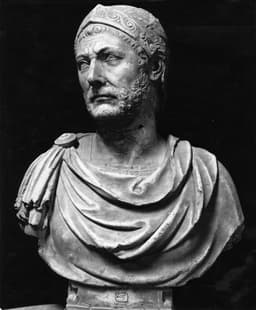
Hannibal Barca
General · Ancient
57.2Total

Spartacus
Revolutionary · Ancient
65.6Total
Basic Information
Born
-247
-111
Died
-183
-71
Era
Ancient
Ancient
Nationality
Carthage
Roman Republic
Occupation
General
Revolutionary
Civilization
Middle Eastern
Western
Score Comparison
Military (10%)
92.0
50.0
Political (20%)
35.0
35.0
Influence (20%)
55.0
80.0
Legacy (20%)
40.0
80.0
Leadership (15%)
68.0
62.6
Strategy (15%)
88.0
60.0
TOTAL
57.2
65.6
Hannibal Barca — Complete Timeline
219 BC
Siege of SaguntumWar◆ Major
Hannibal besieged and captured Saguntum, a Roman ally in Spain. This act violated a treaty with Rome and directly triggered the Second Punic War. The eight-month siege demonstrated Hannibal's determination and military skill, but also his willingness to provoke conflict.
SiegeProvocationWar Start
Impact: regionaldestructive
218 BC
Crossing of the AlpsWar
Hannibal led a Carthaginian army, including war elephants, from Spain across the Alps into Italy. The journey was arduous, with significant losses from terrain, weather, and attacks by mountain tribes. This strategic maneuver surprised the Romans and brought the war to their homeland.
Military CampaignAlpsStrategy
Impact: global
216 BC
Battle of CannaeWar
Hannibal's outnumbered army encircled and annihilated a larger Roman force at Cannae in southern Italy. The Romans suffered up to 70,000 casualties in one day. This battle is considered a masterpiece of tactical encirclement and remains studied in military academies.
BattleTacticsRoman Defeat
Impact: globaldestructive
202 BC
Battle of ZamaWar
Hannibal was defeated by Scipio Africanus at Zama in North Africa. Scipio's tactics neutralized Hannibal's elephants and cavalry, leading to a decisive Roman victory. This battle ended the Second Punic War and forced Carthage to accept harsh peace terms.
BattleDefeatEnd of War
Impact: globaltragic
183 BC
Exile and DeathPolitical Action◆ Major
After the war, Hannibal became a politician in Carthage, but Roman pressure forced him into exile. He fled to the Seleucid court, then to Bithynia. When the Romans demanded his extradition, he committed suicide by poison, ending his life as a fugitive.
ExileSuicideRoman Pursuit
Impact: regionaltragic
Spartacus — Complete Timeline
73 BC
Defeat of praetor Gaius Claudius Glaber at Mount VesuviusWar◆ Major
Spartacus's forces defeated the Roman praetor Gaius Claudius Glaber, who had besieged them on Mount Vesuvius. The rebels descended using vines and attacked the Roman camp from the rear, capturing supplies and weapons.
BattleSlave RevoltRoman Defeat
Impact: regional
Escape from the gladiatorial school in CapuaPolitical Action
Spartacus and about 70-78 gladiators escaped from the gladiatorial school of Lentulus Batiatus in Capua. They seized weapons and fled to Mount Vesuvius, initiating the Third Servile War against the Roman Republic.
Slave RevoltEscapeThird Servile War
Impact: regional
72 BC
Defeat of consular armies at Picenum and MutinaWar◆ Major
Spartacus defeated the Roman consuls Gellius Publicola and Gnaeus Cornelius Lentulus Clodianus in separate engagements in Picenum. Later that year, he defeated the proconsul Gaius Cassius Longinus near Mutina, opening the route to the Alps.
BattleSlave RevoltRoman Defeat
Impact: regional
March on Rome and retreat to BruttiumWar◆ Major
After victories in the north, Spartacus turned south and marched on Rome with an army of about 120,000. He bypassed the city and retreated to the Bruttium peninsula in southern Italy, possibly to cross to Sicily.
CampaignSlave RevoltStrategic Decision
Impact: regional
71 BC
Defeat and death at the Battle of the Siler RiverWar
Marcus Licinius Crassus's Roman legions defeated Spartacus's army at the Siler River in Lucania. Spartacus was killed in the battle. His body was never identified. The surviving rebels were crucified along the Appian Way.
BattleSlave RevoltDeathRoman Victory
Impact: regionaltragic
Expert Analysis
# 汉尼拔与斯巴达克斯深度对比分析
1. 综合排名与一句话结论
**综合排名:** 第1名 汉尼拔·巴卡 | 第2名 斯巴达克斯
**汉尼拔:** 军事天才无人能敌,但缺乏国家支持与战略纵深,最终败于罗马的持久消耗。
**斯巴达克斯:** 奴隶起义的精神领袖,点燃了底层反抗的火焰,但缺乏明确政治纲领与统一指挥,起义昙花一现。
2. 核心信息对比表
| 项目 | 汉尼拔·巴卡 | 斯巴达克斯 |
|------|-------------|-------------|
| 全名 | Hannibal Barca | Spartacus |
| 生卒年 | 公元前247年 – 公元前183年 | 公元前111年 – 公元前71年 |
| 国家/地区 | 迦太基(北非) | 罗马共和国(色雷斯人) |
| 所属时代 | 第二次布匿战争时期 | 罗马共和国晚期 |
| 政治身份 | 迦太基军事统帅、政治家 | 角斗士、奴隶起义领袖 |
| 核心意识形态 | 迦太基民族主义、反罗马扩张 | 奴隶解放、反抗压迫 |
| 主要敌人与盟友 | 敌人:罗马共和国;盟友:马其顿、高卢部落 | 敌人:罗马元老院、克拉苏;盟友:逃亡奴隶、牧民 |
| 代表性事件 | 翻越阿尔卑斯山、坎尼会战、扎马战役 | 领导第三次奴隶战争(公元前73-71年) |
3. 成长背景对比
**汉尼拔:** 出身迦太基军事贵族家庭,父亲哈米尔卡·巴卡是第一次布匿战争名将。幼年随父出征西班牙,接受严格军事训练与仇视罗马的教育。9岁时在父亲要求下对神发誓“终身与罗马为敌”。青年时期在西班牙积累实战经验,继承父兄遗志,形成强烈的复仇使命与战略视野。
**斯巴达克斯:** 色雷斯部落出身,曾为罗马辅助军士兵,后因反叛被卖为角斗士。教育程度低,主要依靠实战经验与个人魅力。青年时期目睹罗马对盟友和奴隶的残酷剥削,形成朴素的自由追求。角斗士学校的生活让他感受到极端压迫,最终组织78名同伴逃亡,开启起义。
4. 权力崛起路径
**汉尼拔:** 依靠继承获得西班牙军团指挥权(继承父兄职位),利用迦太基贵族对罗马的仇恨,通过军事胜利巩固地位。核心支持者是迦太基寡头商人阶层与西班牙雇佣军。他完全依靠战争——先征服西班牙部落,再翻越阿尔卑斯山突袭意大利本土,以坎尼大捷奠定“汉尼拔神话”。
**斯巴达克斯:** 通过奴隶起义获得权力,利用罗马社会底层对压迫的不满,以及维苏威火山地区的易守难攻地形。核心支持者是逃亡奴隶和破产农民。他依靠革命——从角斗士暴动到组织数万奴隶大军,主动进攻罗马庄园,但从未尝试建立稳定政权。
5. 治国能力横向对比(10分制)
| 能力维度 | 汉尼拔评分 | 原因举例 | 斯巴达克斯评分 | 原因举例 |
|----------|------------|----------|----------------|----------|
| **军事能力** | **10分** | 坎尼会战以5万击败8.6万罗马军,战术史典范 | **7分** | 多次击败罗马正规军,但缺乏持久战与围城能力 |
| **外交能力** | **8分** | 成功拉拢高卢人、马其顿王腓力五世 | **3分** | 未建立外部盟友,起义军内部分裂严重 |
| **内政能力** | **4分** | 在意大利农村未建立稳定行政体系 | **5分** | 能组织万人集团生活,但无税收与法律 |
| **经济管理** | **3分** | 依赖抢掠与迦太基本土补给,后勤脆弱 | **4分** | 靠夺取庄园物资,无长期经济规划 |
| **政治控制** | **6分** | 能压服迦太基政敌,但元老院不信任他 | **6分** | 初期高度团结,后期克拉苏分化战术奏效 |
| **演讲与宣传** | **5分** | 以军事胜利代替宣传,较少留下演说记录 | **8分** | “宁为自由而战死”口号鼓舞奴隶 |
| **危机处理** | **9分** | 翻越阿尔卑斯山损失过半仍能重组军队 | **6分** | 面对克拉苏的封锁墙,未能及时突围 |
| **长期战略** | **9分** | 计划联合马其顿东西夹击罗马,可惜未能实现 | **4分** | 起义目标模糊,始终无统一撤退或建国方案 |
**最高分:** 汉尼拔军事10分(坎尼会战);**最低分:** 斯巴达克斯外交3分(孤立无援)。
6. 性格与领导风格
**汉尼拔:** 强人型兼现实主义。用人重能力(如努米底亚骑兵指挥官马哈巴尔),决策谨慎但敢于冒险(翻越雪山、迂回包围)。风险偏好高,但善于计算。对反对者(迦太基元老)采取妥协与隐忍,最终被流放也不反抗。
**斯巴达克斯:** 革命型兼理想主义。用人依赖个人忠诚(如副手克利克苏斯),决策偏重情感(拒绝离开意大利时与克拉苏决战)。风险偏好极高,但缺乏风险控制。对反对者(起义军内部分裂派)采取宽容,导致纪律松弛。
7. 关键历史决策对比
### 【汉尼拔 — 翻越阿尔卑斯山】
**背景:** 公元前218年,罗马海军封锁地中海航线。**做法:** 率领约4万步兵、9000骑兵及37头战象,翻越积雪的阿尔卑斯山(耗时15天)。**结果:** 损失过半,但突然出现在意大利北部,成功煽动高卢部落反罗马。**长期影响:** 开创战略奇袭典范,但战象与兵力损耗也为后续乏力埋下伏笔。**历史争议:** 是否应该走更稳妥的西班牙东进路线?
### 【汉尼拔 — 坎尼会战后未攻罗马城】
**背景:** 公元前216年坎尼大捷后,罗马元气大伤。**做法:** 汉尼拔选择在意大利南部分散拉拢同盟,而非直取罗马城。**结果:** 罗马缓过神来,坚壁清野,耗死迦太基。**长期影响:** 让罗马学会“绝不投降”的韧性。**历史争议:** 是否过于谨慎,错失一战决胜负的机会?
### 【汉尼拔 — 扎马战役的交战决策】
**背景:** 公元前202年,西庇阿攻入迦太基本土。**做法:** 汉尼拔被迫回援,在扎马与西庇阿列阵。**结果:** 因努米底亚骑兵倒戈,汉尼拔惨败。**长期影响:** 迦太基投降,沦为罗马附庸。**历史争议:** 是否应该提前与西庇阿谈判而非决战?
### 【斯巴达克斯 — 南下征途中的转向】
**背景:** 公元前72年,斯巴达克斯率军南下至意大利半岛最南端。**做法:** 放弃渡海去西西里岛的计划,折返北上迎战克拉苏。**结果:** 在与克拉苏决战中战死,起义军崩溃。**长期影响:** 奴隶解放运动被暴力镇压。**历史争议:** 如果渡海成功,能否建立自由奴隶城邦?
### 【斯巴达克斯 — 拒绝与罗马谈判】
**背景:** 公元前71年,克拉苏试图以“赦免”诱降。**做法:** 斯巴达克斯拒绝,坚持武装斗争。**结果:** 失去分化罗马内部的机会,克拉苏集结优势兵力。**长期影响:** 罗马颁布更严酷的奴隶法。**历史争议:** 是否应该接受部分妥协以保全实力?
### 【斯巴达克斯 — 分裂起义军】
**背景:** 起义初期有多个部落领袖,克利克苏斯主张北上翻越阿尔卑斯山。**做法:** 斯巴达克斯未强求统一指挥,导致高卢分队单独行动被歼灭。**结果:** 起义军实力大减。**长期影响:** 暴露了奴隶起义缺乏严格组织的致命弱点。**历史争议:** 是否应该强制统一行动?
8. 最大成功与最大失败
**汉尼拔最大成功:** 以弱胜强的坎尼会战,至今被军事院校奉为经典包围战例。
**汉尼拔最大失败:** 未能将军事胜利转化为政治胜利,没有摧毁罗马的战争意志。
**斯巴达克斯最大成功:** 在两年的时间里(公元前73-71年)动员10万以上奴隶,打破罗马不可战胜的神话。
**斯巴达克斯最大失败:** 未能建立稳固根据地与明确政治目标,起义沦为流寇式运动。
9. 历史评价争议
**汉尼拔:**
- **迦太基本国:** 元老院对他既依赖又猜忌,最终流放他(国内评价分裂)。
- **国际(罗马/后世):** 罗马历史学家李维把他描绘成“背信弃义的蛮族”,但军事家如拿破仑视其为战术之神。
- **支持者:** 认为他的败因在于迦太基国力孱弱,而非个人失误。
- **批评者:** 认为他缺乏政治远见,未能培养继承人与同盟体系,导致孤军奋战。
**斯巴达克斯:**
- **罗马当局:** 记载为“匪帮首领”,被钉死在十字架上的6000奴隶是警示。
- **近现代左翼:** 马克思称他为“伟大的奴隶领袖”,是阶级反抗的象征。
- **支持者:** 强调其解放精神和勇气,认为此起义加速了罗马共和国的变革。
- **批评者:** 认为其缺乏有效行政管理,起义失败后加剧了罗马对奴隶的迫害,客观上无益于奴隶解放。
10. 最终
Rankings
🥇
SpartacusLeader
Mil: 50.0Pol: 35.0Inf: 80.0
65.6
🥈
Hannibal Barca
Mil: 92.0Pol: 35.0Inf: 55.0
57.2
+8.4 behind
How This Comparison Works
Algorithm
Each figure is scored on 6 dimensions (0—100 scale) based on structured historical data: Military (10%), Political (20%), Influence (20%), Legacy (20%), Leadership (15%), Strategy (15%). The weighted total produces the final ranking.
Data Sources
Scores are computed from structured sub-indicators in the database. Scale factors adjust for era (Ancient ×0.85, Modern ×1.0) and civilization size (Eastern ×1.05, Other ×0.80) to account for differences in population and military scale.
Maximum 3 Figures
Comparisons are limited to 2—3 figures to ensure readability and statistical meaningfulness.
Error Margins
±5 points per dimension — Sub-scores are derived from historical records with inherent uncertainty. Two figures within 5 points on a dimension should be considered roughly equivalent in that area.
Total Score Accuracy
±3 points overall — The weighted combination of 6 dimensions produces a total score with approximately ±3 points of uncertainty. Differences of less than 3 points are not statistically significant— the figures are effectively tied.
Known Limitations
- Historical records are incomplete and uneven across civilizations
- Figures from oral-tradition societies may be underrepresented
- Occupation labels can misclassify multi-role figures
- Scores measure capability and impact, not moral character
- Quantitative scoring is a comparison tool, not absolute truth
Capability Radar
Military (10%) — Battles & Warfare
Battles
95
75
Win Rate
92
70
Expansion
85
55
Political (20%) — Governance & Reform
Reform
30
15
Diplomacy
60
25
Economy
35
10
Influence (20%) — Cultural & Global Reach
Cultural
85
85
Global
85
75
Legacy (20%) — Historical Impact
Historical
95
80
Longevity
90
85
Leadership (15%) — Power & Stability
Tenure
40
20
Stability
25
10
Strategy (15%) — Tactics & Innovation
Strategy
95
65
Tactics
99
80
Reform
70
30
Similar Comparisons
Comments & Discussion
Chronicler51986/16/2026
数据模型存在问题。汉尼拔的政治得分45.7分,但迦太基元老院对他的掣肘在扎马战役前达到顶峰,拒绝增援导致他最终失败——这恰恰说明他的政治能力不足以驾驭本国体制。反观斯巴达克斯,虽然政治组织力弱,但在两年内团结了超过12万不同民族、语言的奴隶,没有现代通讯手段,这本身就是一种政治成就。更关键的是,你们给汉尼拔外交8分,斯巴达克斯3分。但汉尼拔的外交成果(马其顿同盟)从未兑现过实质军事支援,而斯巴达克斯吸引破产农民加入,成功撕开了罗马社会内部的裂痕。这个外交评分应该互换。
DecolonizeHistory6/16/2026
This comparison reeks of Eurocentric military history framing. Hannibal is canonized because he threatened Rome, the central subject of Western historiography. But look at the political score: Hannibal gets 45.7 despite being a Carthaginian oligarch fighting to maintain his empire's slave economy. Spartacus gets 31.6 for leading the largest slave revolt in antiquity—that's a political act. The scoring system penalizes him because it equates 'politics' with statecraft, not class struggle. Also, 'influence' for Hannibal is measured by his impact on Roman military doctrine, which is inherently Rome-centered. Flip the perspective: Spartacus inspired every subsequent rebellion from Haiti to Russia. That's 87.2 influence? Underrated.
CannaeFanatic6/16/2026
Stop the press. Anyone who thinks Spartacus is anywhere near Hannibal needs to read a damn book. Hannibal crossed the ALPS with elephants, crushed Rome at Cannae with a double envelopment that's still studied in war colleges, and kept an army in Italy for 15 years without supply lines. Spartacus was a smash-and-grab artist. He won skirmishes, sure, but against local militias and one incompetent consul. When faced with Crassus—a real Roman general—he got his army trapped and annihilated. Hannibal fought Scipio Africanus, arguably Rome's best, and only lost because his cavalry defected. It's like comparing Mike Tyson in his prime to a street brawler. No contest.
OldScroll906/16/2026
汉尼拔和斯巴达克斯的对比,让我想起中国历史的陈胜吴广和项羽。斯巴达克斯像陈胜:举义旗、聚万众、三个月内横扫半个意大利,但同样缺乏政治纲领和根据地意识,最终被正规军各个击破。汉尼拔更像项羽:军事天才但不懂政治联盟的可持续性,甚至更糟——项羽至少是楚国贵族,汉尼拔连迦太基本土的支持都保不住。你们给斯巴达克斯的治国能力打这么低分,但陈胜吴广起义直接导致了秦朝灭亡,影响了中国两千年的皇权合法性。斯巴达克斯虽然没有推翻罗马,但他点燃的奴隶反抗之火,在罗马帝国后期反复出现。这个“影响”评分,在我看来低了至少10分。
ScoreCritic426/16/2026
I love the idea of quantifying history, but this scoring system is a joke. Hannibal gets a 92 military score? Based on what metric—his win-loss record? He lost the war. Final score: 0-1 against Rome. Spartacus gets 47.6 military but beat multiple Roman legions in open battle. The real difference is that Hannibal fought for a state with resources, Spartacus led starving slaves with sticks. Also, political score for a slave? He didn't have a senate. You're grading apples and oranges with the same ruler. The weight distribution is clearly biased toward traditional military hierarchy. This is just a fanboy ranking dressed up in numbers.
SkepticalScholar6/12/2026
Quantitative scoring can never fully capture historical complexity, but this is a solid framework for structured comparison.
历史迷6/12/2026
Hannibal Barca和Spartacus都是各自时代的巨人。数据化的比较提供了一个很好的讨论起点。
HistoryBuff6/12/2026
Fascinating comparison between Hannibal Barca and Spartacus. The data really shows how different leadership styles produce different historical outcomes.