Loading...
George VI vs Muhammad Adil Shah
George VI leads by 6.7 pts · 2 figures compared
…

George VI
Emperor · Modern
56.3Total
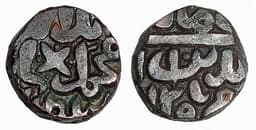
Muhammad Adil Shah
Emperor · Modern
49.6Total
Basic Information
Born
1895
1627
Died
1952
1656
Era
Modern
Modern
Nationality
United Kingdom
India
Occupation
Emperor
Emperor
Civilization
Western
Indian
Score Comparison
Military (10%)
10.0
35.0
Political (20%)
72.0
43.7
Influence (20%)
56.7
55.0
Legacy (20%)
54.0
50.0
Leadership (15%)
72.0
65.0
Strategy (15%)
60.0
35.7
TOTAL
56.3
49.6
George VI — Complete Timeline
1936 AD
Accession to the ThronePolitical Action
George VI became king on December 11, 1936, following the abdication of his brother Edward VIII. He was crowned on May 12, 1937. His reign began under the shadow of constitutional crisis and the looming threat of war in Europe.
CoronationMonarchySuccession
Impact: national
1939 AD
King's Speech BroadcastCultural◆ Major
George VI delivered a radio broadcast to the British Empire on September 3, 1939, announcing the declaration of war against Germany. His speech, delivered despite a stammer, became a symbol of national resolve and unity during World War II.
World War IIBroadcastNational Unity
Impact: global
1940 AD
Remained in London During BlitzPolitical Action◆ Major
George VI and Queen Elizabeth refused to leave London or send their children to safety during the Blitz. They remained at Buckingham Palace, which was bombed on September 13, 1940. Their decision to stay boosted public morale and symbolized shared sacrifice.
World War IIBlitzRoyal Family
Impact: nationalconstructive
1944 AD
Visited Battlefronts in EuropeWar
George VI visited Allied troops in Normandy, France, on June 16, 1944, just ten days after D-Day. He also toured other battlefronts in North Africa and Italy during the war, becoming the first British monarch to visit active combat zones since George II.
World War IIRoyal VisitMilitary
Impact: regionalconstructive
1947 AD
End of British Raj in IndiaPolitical Action◆ Major
George VI relinquished the title of Emperor of India on June 22, 1948, following Indian independence on August 15, 1947. This marked the formal end of British imperial rule in India and the transformation of the monarchy's role in the Commonwealth.
DecolonizationIndiaCommonwealth
Impact: global
Muhammad Adil Shah — Complete Timeline
1636 AD
Treaty with MughalsPolitical Action◆ Major
Muhammad Adil Shah signed a treaty with the Mughal Empire under Shah Jahan, accepting Mughal suzerainty and paying tribute. This agreement preserved Bijapur's internal autonomy but reduced its independence in foreign affairs.
TreatyMughal-Bijapur RelationsDiplomacy
Impact: regional
1645 AD
War with MarathasWar◆ Major
Muhammad Adil Shah fought a series of campaigns against the rising Maratha power under Shahaji Bhonsle. The conflict drained Bijapur's resources and marked the beginning of Maratha ascendancy in the Deccan.
WarMarathaDeccan Conflicts
Impact: regionaldestructive
1650 AD
Patronage of Persian PoetryCultural
Muhammad Adil Shah patronized Persian poets and scholars at his court, including the poet Nusrati. His patronage contributed to the flourishing of Persian literature in the Deccan during the 17th century.
Cultural PatronagePersian LiteratureCourt Culture
Impact: regionalconstructive
1656 AD
Construction of Gol GumbazCultural◆ Major
Muhammad Adil Shah completed the construction of Gol Gumbaz, the mausoleum for himself and his family. The structure features one of the largest domes in the world and is a landmark of Deccan architecture.
ArchitectureBijapurCultural Patronage
Impact: regionalconstructive
Expert Analysis
Origins
George VI was born on December 14, 1895, as Prince Albert, the second son of King George V and Queen Mary. He was not expected to become king. He was educated at naval colleges and served in the Royal Navy during World War I. His speech impediment, a stammer, was a significant personal challenge that he worked to overcome with the help of speech therapist Lionel Logue.
Muhammad Adil Shah was born around 1600 into the Adil Shahi dynasty, the ruling family of the Bijapur Sultanate in South India. He was the son of Sultan Ibrahim Adil Shah II, a patron of the arts. He received a princely education in Persian, military arts, and administration. His reign began in 1627 after his father's death.
Rise to Power
George VI's rise was unexpected. His older brother, Edward VIII, abdicated on December 11, 1936, to marry Wallis Simpson. George, then Duke of York, became king reluctantly. He was crowned on May 12, 1937. His rise was marked by the personal struggle of accepting a role he never sought.
Muhammad Adil Shah ascended the throne in 1627 after his father's death. He faced immediate challenges from the Mughal Empire, which had been expanding southward. To secure his position, he signed a treaty with Mughal Emperor Shah Jahan in 1636, accepting Mughal suzerainty and paying tribute. This preserved Bijapur's independence but weakened his authority.
Leadership & Governance
George VI's leadership during World War II was defined by his symbolic role. He remained in London during the Blitz, refusing to evacuate to Canada. His radio broadcasts, especially the September 3, 1939 speech declaring war, boosted morale. He visited bombed areas and troops in Normandy on June 16, 1944, just after D-Day. His governance was largely constitutional, but his moral authority was significant. He scored 72.0 in leadership.
Muhammad Adil Shah's governance focused on consolidation and cultural patronage. He completed the Gol Gumbaz mausoleum, featuring one of the largest domes in the world (44 meters in diameter). He also patronized Persian poets like Nusrati. However, his military campaigns against the Marathas under Shahaji Bhonsle drained resources. His political score is 43.7, reflecting his limited effectiveness in managing external threats.
Triumph & Tragedy
George VI's greatest triumph was his role in unifying Britain during WWII. His refusal to leave London and his personal courage made him a beloved symbol. His greatest tragedy was the end of the British Raj in India; he relinquished the title Emperor of India on June 22, 1948, marking the decline of the empire. His health deteriorated from smoking, leading to lung cancer and death on February 6, 1952.
Muhammad Adil Shah's greatest triumph is the Gol Gumbaz, an architectural marvel that stands today. His patronage enriched Persian culture in Bijapur. His greatest tragedy was the costly war with the Marathas, which weakened his sultanate and contributed to its eventual decline. He died in 1656, and within 30 years, Bijapur was annexed by the Mughals.
Character & Destiny
George VI was characterized by duty and perseverance. He overcame his stammer with therapy, as depicted in the film 'The King's Speech'. His shy nature contrasted with his public role, but he fulfilled his duties stoically. His character shaped his fate as a respected wartime leader.
Muhammad Adil Shah was a patron of arts but a less effective military leader. His decision to accept Mughal suzerainty preserved his throne but limited his independence. His focus on architecture and culture over military strength may have contributed to Bijapur's vulnerability.
Legacy
George VI's legacy is tied to WWII and the transformation of the British monarchy. His example of duty and sacrifice helped the monarchy survive post-war social changes. His daughter, Elizabeth II, succeeded him and reigned for 70 years. His score of 54.0 in legacy reflects his enduring symbolic importance.
Muhammad Adil Shah's legacy is the Gol Gumbaz, a UNESCO World Heritage site and a masterpiece of Deccan architecture. His patronage of Persian literature also left a cultural mark. However, his political and military legacy is less significant; Bijapur's decline after his reign limits his long-term impact.
Conclusion
George VI had greater impact due to his role in a global conflict and the survival of the British monarchy. His leadership score of 72.0 compared to Muhammad Adil Shah's 65.0 reflects his effectiveness as a symbolic leader during a crisis. While Muhammad Adil Shah's architectural contribution is notable, George VI's influence on twentieth-century history is more substantial. The total score gap of 6.7 points supports this assessment.
Rankings
🥇
George VILeader
Mil: 10.0Pol: 72.0Inf: 56.7
56.3
🥈
Muhammad Adil Shah
Mil: 35.0Pol: 43.7Inf: 55.0
49.6
+6.7 behind
How This Comparison Works
Algorithm
Each figure is scored on 6 dimensions (0—100 scale) based on structured historical data: Military (10%), Political (20%), Influence (20%), Legacy (20%), Leadership (15%), Strategy (15%). The weighted total produces the final ranking.
Data Sources
Scores are computed from structured sub-indicators in the database. Scale factors adjust for era (Ancient ×0.85, Modern ×1.0) and civilization size (Eastern ×1.05, Other ×0.80) to account for differences in population and military scale.
Maximum 3 Figures
Comparisons are limited to 2—3 figures to ensure readability and statistical meaningfulness.
Error Margins
±5 points per dimension — Sub-scores are derived from historical records with inherent uncertainty. Two figures within 5 points on a dimension should be considered roughly equivalent in that area.
Total Score Accuracy
±3 points overall — The weighted combination of 6 dimensions produces a total score with approximately ±3 points of uncertainty. Differences of less than 3 points are not statistically significant— the figures are effectively tied.
Known Limitations
- Historical records are incomplete and uneven across civilizations
- Figures from oral-tradition societies may be underrepresented
- Occupation labels can misclassify multi-role figures
- Scores measure capability and impact, not moral character
- Quantitative scoring is a comparison tool, not absolute truth
Capability Radar
Military (10%) — Battles & Warfare
Battles
38
40
Win Rate
38
35
Expansion
44
25
Political (20%) — Governance & Reform
Reform
55
30
Diplomacy
70
40
Economy
50
35
Influence (20%) — Cultural & Global Reach
Cultural
55
55
Global
60
30
Legacy (20%) — Historical Impact
Historical
65
50
Longevity
50
45
Leadership (15%) — Power & Stability
Tenure
60
50
Stability
65
30
Strategy (15%) — Tactics & Innovation
Strategy
44
25
Tactics
51
30
Reform
49
20
Similar Comparisons
Comments & Discussion
No comments yet. Be the first to share your thoughts!