Loading...
Charles the Bold vs Emperor Kanmu
Emperor Kanmu leads by 3.8 pts · 2 figures compared
…
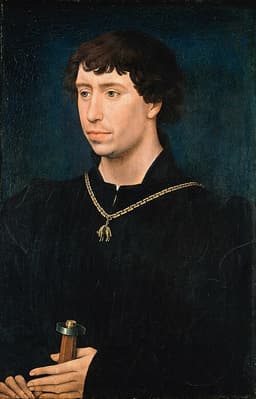
Charles the Bold
Emperor · Medieval
57.9Total
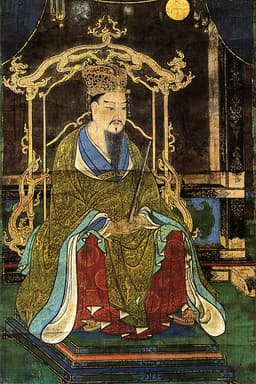
Emperor Kanmu
Emperor · Medieval
61.7Total
Basic Information
Born
1433
737
Died
1477
806
Era
Medieval
Medieval
Nationality
Burgundy
Japan
Occupation
Emperor
Emperor
Civilization
Western
Eastern
Score Comparison
Military (10%)
52.5
22.6
Political (20%)
68.0
72.0
Influence (20%)
59.0
72.0
Legacy (20%)
49.2
65.0
Leadership (15%)
65.7
72.0
Strategy (15%)
55.0
35.7
TOTAL
57.9
61.7
Charles the Bold — Complete Timeline
1467 AD
Inherited the Burgundian LandsPolitical Action◆ Major
Charles succeeded his father Philip the Good as Duke of Burgundy. He inherited a wealthy and powerful state comprising the Burgundian Netherlands, Franche-Comt
SuccessionBurgundian State
Impact: regionalconstructive
1468 AD
War with France and the Treaty of PéronneWar◆ Major
Charles forced King Louis XI of France to sign the Treaty of P
TreatyFranco-Burgundian ConflictDiplomacy
Impact: regional
1474 AD
Siege of NeussWar◆ Major
Charles besieged the imperial city of Neuss for nearly a year, defying the Holy Roman Emperor Frederick III. The siege ended inconclusively when an imperial army approached. This conflict alienated the German princes and weakened Charles's political position.
SiegeImperial ConflictBurgundian Wars
Impact: regionaldestructive
1476 AD
Battle of GrandsonWar◆ Major
Charles's army was defeated by the Swiss Confederacy at Grandson. The Burgundians abandoned their camp, which was looted. The defeat was a major setback, shattering the myth of Burgundian invincibility and encouraging further Swiss resistance.
BattleSwiss ConfederacyDefeat
Impact: regionaltragic
Battle of MoratWar◆ Major
Charles suffered a second devastating defeat by the Swiss at Morat. His army was routed, and he lost much of his artillery and baggage. The defeat effectively ended Burgundian ambitions in Switzerland and left Charles's state vulnerable.
BattleSwiss ConfederacyDefeat
Impact: regionaltragic
1477 AD
Battle of Nancy and DeathWar
Charles was killed in battle at Nancy while fighting the Swiss and the Duke of Lorraine. His body was found mutilated. His death ended the Burgundian state as an independent power, and his lands were divided between France and the Habsburgs through his daughter Mary.
BattleDeathEnd of Burgundy
Impact: regionaltragic
Emperor Kanmu — Complete Timeline
784 AD
Abandonment of Nagaoka-kyoPolitical Action
Emperor Kanmu abandoned the new capital at Nagaoka-kyo after only ten years, following a series of disasters and political intrigues, including the assassination of the chief architect. The move to Heian-kyo was motivated by a desire for a fresh start.
Nagaoka-kyoAbandonmentCapital
Impact: national
789 AD
Campaigns Against the EmishiWar◆ Major
Emperor Kanmu launched military campaigns to subdue the Emishi tribes in northern Honshu. Led by generals like Sakanoue no Tamuramaro, the campaigns expanded Japanese control into the Tohoku region. The Emishi were eventually defeated or assimilated.
EmishiNorthern ExpansionTohoku
Impact: national
794 AD
Transfer of the Capital to Heian-kyoPolitical Action◆ Major
Emperor Kanmu moved the imperial capital from Nagaoka-kyo to Heian-kyo (modern Kyoto). The new city was laid out on a grid pattern modeled after Chang'an. This move established Kyoto as the imperial capital for over a thousand years.
CapitalHeian-kyoKyoto
Impact: nationalconstructive
Expert Analysis
Origins
Charles the Bold (born 1433) was the last Valois Duke of Burgundy, inheriting a wealthy and powerful state comprising the Burgundian Netherlands, Franche-Comté, and other territories. His father, Philip the Good, had built Burgundy into a major European power through diplomacy and economic strength. Charles was raised in the lavish Burgundian court, receiving a knightly education focused on chivalry and military arts. His ambition was to forge a kingdom independent of France, reviving the ancient Middle Kingdom of Lotharingia.
Emperor Kanmu (born 737) was the 50th emperor of Japan, ascending the Chrysanthemum Throne in 781. He was the son of Emperor Konin, but his mother was from a Korean immigrant clan, which gave him a broader perspective. Kanmu was educated in Confucian classics and Chinese governance models. His early reign was marked by efforts to consolidate imperial power and reduce the influence of Buddhist monasteries and aristocratic factions.
Rise to Power
Charles became duke in 1467 upon his father's death. He immediately pursued an aggressive expansionist policy, aiming to connect his northern and southern territories. In 1468, he forced King Louis XI of France to sign the Treaty of Péronne, which recognized Burgundian independence and granted control over key French towns. Charles's military campaigns focused on acquiring territories in the Low Countries and along the Rhine. He besieged the imperial city of Neuss in 1474-1475, defying Emperor Frederick III, but the siege ended inconclusively after nearly a year.
Emperor Kanmu came to power in 781 after his father's abdication. He faced challenges from powerful Buddhist monasteries and the Fujiwara clan. To strengthen imperial authority, he moved the capital from Nagaoka-kyō to Heian-kyō (modern Kyoto) in 794, a project that required massive resources and labor. This move was a strategic decision to escape entrenched political factions and establish a new administrative center modeled after the Chinese capital Chang'an. Kanmu also launched military campaigns against the Emishi tribes in northern Honshu, led by general Sakanoue no Tamuramaro, which expanded Japan's borders.
Leadership & Governance
Charles the Bold scored 65.7 in leadership and 68.0 in political. He ruled with an iron fist, centralizing administration and building a professional army. He created the Grand Council and reformed the financial system to fund his wars. However, his authoritarian style alienated his subjects and provoked resistance. For example, his harsh taxation in the Netherlands led to revolts. Charles's governance was focused on military conquest, often at the expense of diplomacy. His siege of Neuss damaged relations with the Holy Roman Empire.
Emperor Kanmu scored 72.0 in political and 72.0 in leadership. He implemented administrative reforms that reduced the power of Buddhist institutions and the aristocracy. He established a new capital with a grid layout, which facilitated efficient governance and trade. Kanmu also promoted Confucian ideals, emphasizing merit over birth. His campaigns against the Emishi were not purely military; he also used diplomacy and resettlement to integrate the northern regions. His leadership was characterized by pragmatism and long-term vision, as seen in the move to Heian-kyō, which became the heart of Japanese culture for over a millennium.
Triumph & Tragedy
Charles's greatest triumph was the Treaty of Péronne (1468), which forced Louis XI to recognize Burgundian independence. He also successfully expanded his territories through marriage and conquest, creating a formidable state. However, his greatest tragedy was his death at the Battle of Nancy in 1477. His army was defeated by the Swiss Confederacy and the Duke of Lorraine; Charles was killed, and his body was found mutilated. This ended the Burgundian state, which was partitioned between France and the Habsburgs. His military score of 52.5 reflects his mixed record; he was a bold commander but often underestimated his enemies.
Emperor Kanmu's greatest triumph was the successful foundation of Heian-kyō, which became the imperial capital for over 1,000 years. His campaigns against the Emishi extended Japanese control and brought stability to the north. However, his tragedy was the abandonment of Nagaoka-kyō after only ten years due to disasters and political intrigues, including the assassination of his chief minister. Kanmu's military score of 22.6 is low because his campaigns were not decisive in the long term, and he relied heavily on generals. Still, his political acumen ensured a smooth transition to the Heian period.
Character & Destiny
Charles was impulsive, proud, and driven by a vision of kingship. His decision to besiege Neuss for nearly a year was a strategic blunder that drained resources. His character led him to constant warfare, and he refused compromises that might have secured his dynasty. Historical assessments note that his ambition outstripped his capabilities. He scored 55.0 in strategy, indicating a lack of long-term planning. His death at Nancy was a direct result of his relentless aggression.
Emperor Kanmu was cautious, pragmatic, and visionary. He carefully planned the move to Heian-kyō and used both military and diplomatic means to consolidate power. His decision to abandon Nagaoka-kyō shows his willingness to cut losses. Kanmu's character shaped his destiny: he left a stable, prosperous capital that became the cultural center of Japan. His total score of 61.7 reflects a balanced approach, though his military score dragged him down.
Legacy
Charles the Bold's legacy is that of a failed empire-builder. His death led to the absorption of Burgundy into France and the Habsburg Empire. However, his administrative reforms influenced later European states. He scored 49.2 in legacy, as his achievements were undone by his death. The Burgundian state vanished, and his dream of a middle kingdom died with him.
Emperor Kanmu's legacy is immense. Heian-kyō became Kyoto, the cultural and political heart of Japan for centuries. The Heian period saw the flourishing of Japanese literature, art, and Buddhism. Kanmu's political reforms strengthened the imperial institution, though it later declined. He scored 65.0 in legacy, reflecting his enduring impact. His move to Heian-kyō is considered one of the most important events in Japanese history.
Conclusion
While Charles the Bold (total score 57.9) was a significant figure in European history, his impact was short-lived and ultimately negative for his dynasty. Emperor Kanmu (total score 61.7) achieved a lasting transformation of Japan through the capital move and governance reforms. Kanmu's legacy is more profound because it created a stable foundation that endured for centuries, whereas Charles's ambitions led to the destruction of his state. Therefore, Emperor Kanmu had greater historical impact.
Rankings
🥇
Emperor KanmuLeader
Mil: 22.6Pol: 72.0Inf: 72.0
61.7
🥈
Charles the Bold
Mil: 52.5Pol: 68.0Inf: 59.0
57.9
+3.8 behind
How This Comparison Works
Algorithm
Each figure is scored on 6 dimensions (0—100 scale) based on structured historical data: Military (10%), Political (20%), Influence (20%), Legacy (20%), Leadership (15%), Strategy (15%). The weighted total produces the final ranking.
Data Sources
Scores are computed from structured sub-indicators in the database. Scale factors adjust for era (Ancient ×0.85, Modern ×1.0) and civilization size (Eastern ×1.05, Other ×0.80) to account for differences in population and military scale.
Maximum 3 Figures
Comparisons are limited to 2—3 figures to ensure readability and statistical meaningfulness.
Error Margins
±5 points per dimension — Sub-scores are derived from historical records with inherent uncertainty. Two figures within 5 points on a dimension should be considered roughly equivalent in that area.
Total Score Accuracy
±3 points overall — The weighted combination of 6 dimensions produces a total score with approximately ±3 points of uncertainty. Differences of less than 3 points are not statistically significant— the figures are effectively tied.
Known Limitations
- Historical records are incomplete and uneven across civilizations
- Figures from oral-tradition societies may be underrepresented
- Occupation labels can misclassify multi-role figures
- Scores measure capability and impact, not moral character
- Quantitative scoring is a comparison tool, not absolute truth
Capability Radar
Military (10%) — Battles & Warfare
Battles
65
10
Win Rate
40
10
Expansion
60
15
Political (20%) — Governance & Reform
Reform
65
75
Diplomacy
45
60
Economy
60
65
Influence (20%) — Cultural & Global Reach
Cultural
50
75
Global
35
60
Legacy (20%) — Historical Impact
Historical
55
80
Longevity
40
85
Leadership (15%) — Power & Stability
Tenure
55
70
Stability
30
70
Strategy (15%) — Tactics & Innovation
Strategy
55
15
Tactics
60
10
Reform
70
20
Similar Comparisons
Comments & Discussion
No comments yet. Be the first to share your thoughts!