Loading...
This comparison has not been analyzed yet.
One-time AI generation (~1 minute). Scores and timeline are already available below.
Bahram V Gor vs Nebuchadnezzar II
Bahram V Gor leads by 1.6 pts · 2 figures compared
…

Bahram V Gor
Emperor · Ancient
65.6Total
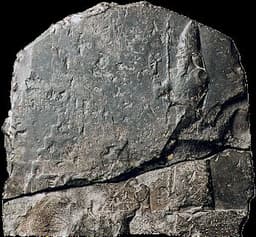
Nebuchadnezzar II
Emperor · Ancient
64.0Total
Basic Information
Born
400
-634
Died
438
-562
Era
Ancient
Ancient
Nationality
Sasanian Empire
Babylon
Occupation
Emperor
Emperor
Civilization
Middle Eastern
Middle Eastern
Score Comparison
Military (10%)
70.0
78.0
Political (20%)
68.0
72.0
Influence (20%)
58.3
68.0
Legacy (20%)
72.0
40.0
Leadership (15%)
72.0
78.0
Strategy (15%)
50.0
67.2
TOTAL
65.6
64.0
Bahram V Gor — Complete Timeline
427 AD
Campaign against the Hephthalite HunsWar◆ Major
Bahram V led a successful military campaign against the Hephthalite (White) Huns, who had invaded the eastern frontiers of the Sasanian Empire. He defeated them and secured the border, enhancing his reputation as a warrior king.
Military CampaignHephthalitesSasanian Empire
Impact: regional
430 AD
Legendary hunting exploits and the story of the 'Royal Hunt'Cultural
Bahram V became renowned in Persian literature for his hunting skills, particularly the tale of hunting a lion and a wild ass simultaneously. These stories were later immortalized in the Shahnameh and other works, making him a legendary figure.
LegendHuntingPersian Literature
Impact: regional
435 AD
Construction of the city of BahramabadCultural
Bahram V founded the city of Bahramabad (modern Kerman) as a provincial capital. The city became an important administrative and commercial center in southeastern Iran.
City FoundationUrban DevelopmentSasanian Empire
constructive
Nebuchadnezzar II — Complete Timeline
597 BC
Conquest of JudahWar◆ Major
Nebuchadnezzar II first captured Jerusalem in 597 BCE, deposing King Jehoiachin and installing Zedekiah as a vassal. This initial conquest began the Babylonian domination of Judah.
ConquestJudahBabylon
Impact: regional
587 BC
Destruction of the First TempleWar
Nebuchadnezzar II's Babylonian army besieged Jerusalem, destroyed Solomon's Temple, and deported many Jews to Babylon. This event, known as the Babylonian Captivity, reshaped Jewish religious and national identity.
SiegeJerusalemJewish History
Impact: globaldestructive
580 BC
Construction of the Hanging GardensCultural◆ Major
Nebuchadnezzar II is traditionally credited with building the Hanging Gardens of Babylon, one of the Seven Wonders of the Ancient World. The gardens were a terraced structure with exotic plants, though their existence is debated.
ArchitectureWonderBabylon
Impact: globalconstructive
575 BC
Construction of the Ishtar GateCultural◆ Major
Nebuchadnezzar II built the Ishtar Gate, a monumental entrance to Babylon decorated with glazed bricks depicting lions and dragons. The gate symbolized Babylonian power and was part of his extensive building program.
ArchitectureGateBabylon
Impact: regionalconstructive
This comparison has not been analyzed yet.
One-time AI generation (~1 minute). Scores and timeline are already available below.
Rankings
🥇
Bahram V GorLeader
Mil: 70.0Pol: 68.0Inf: 58.3
65.6
🥈
Nebuchadnezzar II
Mil: 78.0Pol: 72.0Inf: 68.0
64.0
+1.6 behind
How This Comparison Works
Algorithm
Each figure is scored on 6 dimensions (0—100 scale) based on structured historical data: Military (10%), Political (20%), Influence (20%), Legacy (20%), Leadership (15%), Strategy (15%). The weighted total produces the final ranking.
Data Sources
Scores are computed from structured sub-indicators in the database. Scale factors adjust for era (Ancient ×0.85, Modern ×1.0) and civilization size (Eastern ×1.05, Other ×0.80) to account for differences in population and military scale.
Maximum 3 Figures
Comparisons are limited to 2—3 figures to ensure readability and statistical meaningfulness.
Error Margins
±5 points per dimension — Sub-scores are derived from historical records with inherent uncertainty. Two figures within 5 points on a dimension should be considered roughly equivalent in that area.
Total Score Accuracy
±3 points overall — The weighted combination of 6 dimensions produces a total score with approximately ±3 points of uncertainty. Differences of less than 3 points are not statistically significant— the figures are effectively tied.
Known Limitations
- Historical records are incomplete and uneven across civilizations
- Figures from oral-tradition societies may be underrepresented
- Occupation labels can misclassify multi-role figures
- Scores measure capability and impact, not moral character
- Quantitative scoring is a comparison tool, not absolute truth
Capability Radar
Military (10%) — Battles & Warfare
Battles
55
85
Win Rate
60
80
Expansion
50
85
Political (20%) — Governance & Reform
Reform
45
70
Diplomacy
65
75
Economy
55
80
Influence (20%) — Cultural & Global Reach
Cultural
80
85
Global
60
80
Legacy (20%) — Historical Impact
Historical
75
90
Longevity
85
85
Leadership (15%) — Power & Stability
Tenure
70
80
Stability
60
70
Strategy (15%) — Tactics & Innovation
Strategy
65
85
Tactics
70
75
Reform
30
60
Similar Comparisons
Comments & Discussion
No comments yet. Be the first to share your thoughts!