Loading...
Analysis will be generated on first visit.
Scores and timeline are available below. The page will refresh automatically when ready.
Afonso I of Portugal vs Julius Caesar
Julius Caesar leads by 11.9 pts · 2 figures compared
…
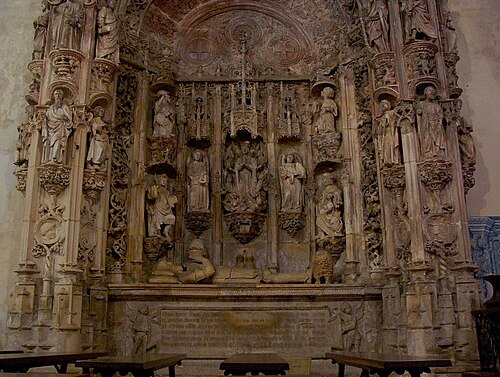
Afonso I of Portugal
Emperor · Medieval
71.4Total
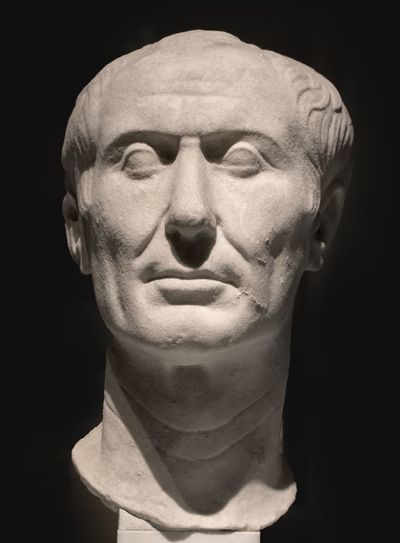
Julius Caesar
General · Ancient
83.3Total
Basic Information
Born
1109
-100
Died
1185
-44
Era
Medieval
Ancient
Nationality
Portugal
Roman Republic
Occupation
Emperor
General
Civilization
Western
Western
Score Comparison
Military (10%)
62.3
88.0
Political (20%)
65.6
78.0
Influence (20%)
67.0
85.0
Legacy (20%)
80.0
82.0
Leadership (15%)
79.3
82.0
Strategy (15%)
72.0
88.0
TOTAL
71.4
83.3
Rankings
🥇
Julius CaesarLeader
Mil: 88.0Pol: 78.0Inf: 85.0
83.3
🥈
Afonso I of Portugal
Mil: 62.3Pol: 65.6Inf: 67.0
71.4
+11.9 behind
How This Comparison Works
Algorithm
Each figure is scored on 6 dimensions (0—100 scale) based on structured historical data: Military (10%), Political (20%), Influence (20%), Legacy (20%), Leadership (15%), Strategy (15%). The weighted total produces the final ranking.
Data Sources
Scores are computed from structured sub-indicators in the database. Scale factors adjust for era (Ancient ×0.85, Modern ×1.0) and civilization size (Eastern ×1.05, Other ×0.80) to account for differences in population and military scale.
Maximum 3 Figures
Comparisons are limited to 2—3 figures to ensure readability and statistical meaningfulness.
Error Margins
±5 points per dimension — Sub-scores are derived from historical records with inherent uncertainty. Two figures within 5 points on a dimension should be considered roughly equivalent in that area.
Total Score Accuracy
±3 points overall — The weighted combination of 6 dimensions produces a total score with approximately ±3 points of uncertainty. Differences of less than 3 points are not statistically significant— the figures are effectively tied.
Known Limitations
- Historical records are incomplete and uneven across civilizations
- Figures from oral-tradition societies may be underrepresented
- Occupation labels can misclassify multi-role figures
- Scores measure capability and impact, not moral character
- Quantitative scoring is a comparison tool, not absolute truth
Capability Radar
Military (10%) — Battles & Warfare
Battles
70
95
Win Rate
75
92
Expansion
75
97
Political (20%) — Governance & Reform
Reform
70
90
Diplomacy
75
85
Economy
65
82
Influence (20%) — Cultural & Global Reach
Cultural
70
88
Global
65
94
Legacy (20%) — Historical Impact
Historical
80
95
Longevity
85
96
Leadership (15%) — Power & Stability
Tenure
80
75
Stability
60
60
Strategy (15%) — Tactics & Innovation
Strategy
70
94
Tactics
65
96
Reform
60
88
Analysis will be generated on first visit.
Scores and timeline are available below. The page will refresh automatically when ready.
Afonso I of Portugal — Complete Timeline
1139 AD
Battle of OuriqueWar
Afonso Henriques defeated a larger Almoravid army at Ourique. According to tradition, he was acclaimed King of Portugal on the battlefield. This victory established his reputation and laid the foundation for Portuguese independence.
ReconquistaIndependenceBattle
Impact: regionalconstructive
1143 AD
Treaty of ZamoraPolitical Action
Afonso I signed the Treaty of Zamora with King Alfonso VII of Le
IndependenceDiplomacyTreaty
Impact: regionalconstructive
1147 AD
Conquest of LisbonWar◆ Major
Afonso I, with the help of Crusaders on the Second Crusade, besieged and captured Lisbon from the Moors. This conquest made Lisbon the capital of Portugal and a major port, expanding the kingdom southward.
ReconquistaConquestCapital
Impact: regionalconstructive
1169 AD
Battle of BadajozWar◆ Major
Afonso I attacked Badajoz but was defeated by the Leonese army. He was captured and forced to surrender most of his conquests in Galicia and Extremadura. This defeat limited Portuguese expansion eastward.
ReconquistaDefeatCapture
Impact: regionaldestructive
1179 AD
Papal Recognition of PortugalPolitical Action
Pope Alexander III issued the bull Manifestis Probatum, formally recognizing Afonso I as King of Portugal and placing the kingdom under papal protection. This confirmed Portugal's independence and legitimacy.
IndependencePapacyLegitimacy
Impact: regionalconstructive
Similar Comparisons
Comments & Discussion
No comments yet. Be the first to share your thoughts!